
Heritage
The Vezdekhod: Riga's 1915 Contender for the World's First Tank
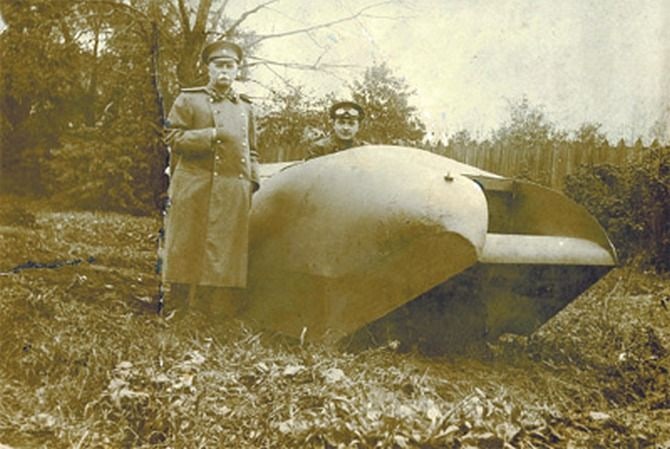
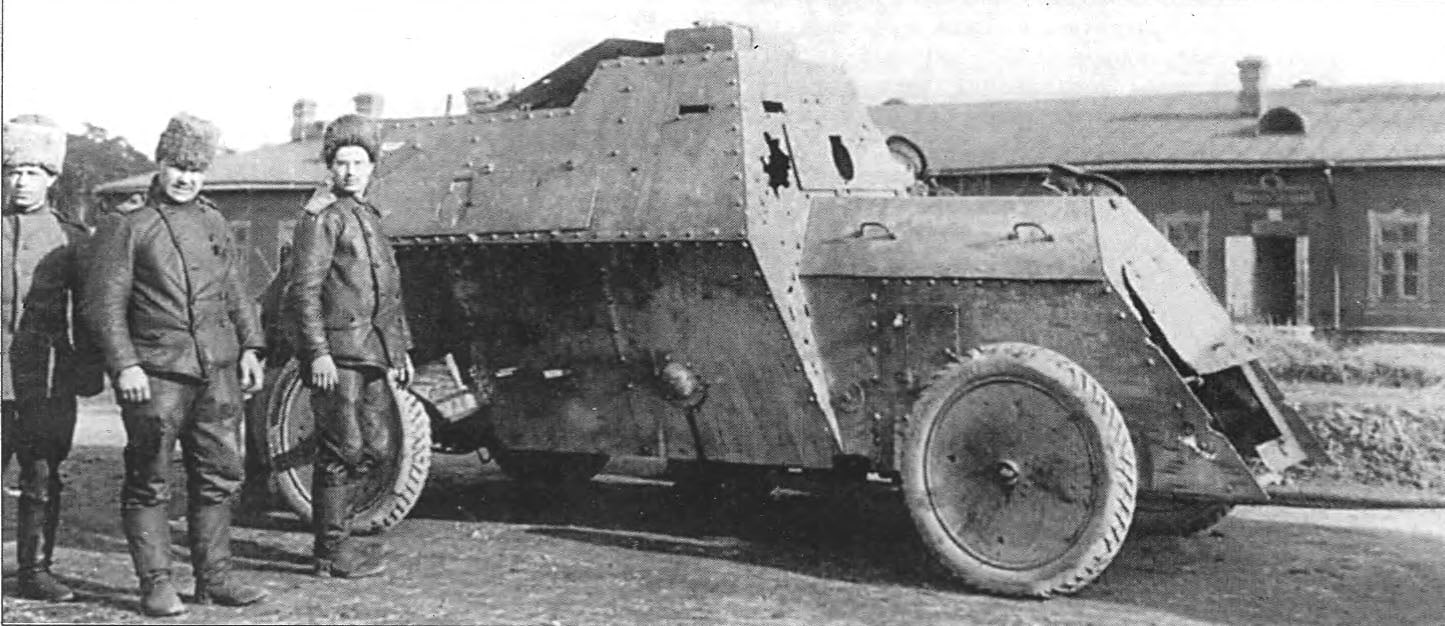
The Vezdekhod, Russian for 'goes everywhere', was a tracked armoured vehicle designed by Aleksandr Porokhovshchikov and built in the automobile repair workshops of the Russo-Baltic works in Riga. Construction was approved in January 1915 and began in February, and DARTZ records its test on 18 May 1915. It ran on a single wide rubberised track. It never went into production, and whether it was the world's first tank is still debated.
Every history of the tank begins in 1916, on the Somme. Riga has an earlier candidate.
A young aircraft designer
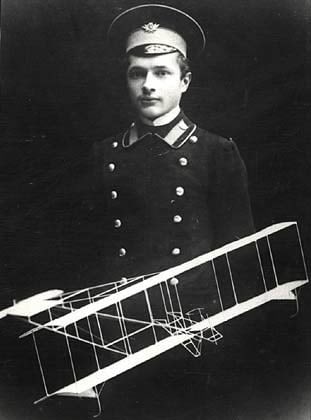
Aleksandr Porokhovshchikov was an aviator before he was anything else. DARTZ records that he designed his first aircraft in 1909, made his first flight in 1911 at the Zolitūde airstrip near Riga, and in 1914 built the world’s first twin-tail aircraft. When war came, he proposed something else: a vehicle that could go anywhere.
Built in the Russo-Baltic workshops
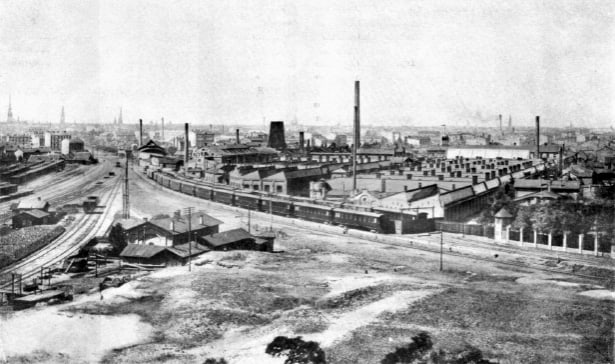
He called it the Vezdekhod, “goes everywhere”. The proposal was made in August 1914. On 13 January 1915 permission to build it was granted, and by 1 February work had begun in the automobile repair workshops of the Russo-Baltic works in Riga. DARTZ records its test on 18 May 1915, and cross-country trials followed later that year.
How it worked
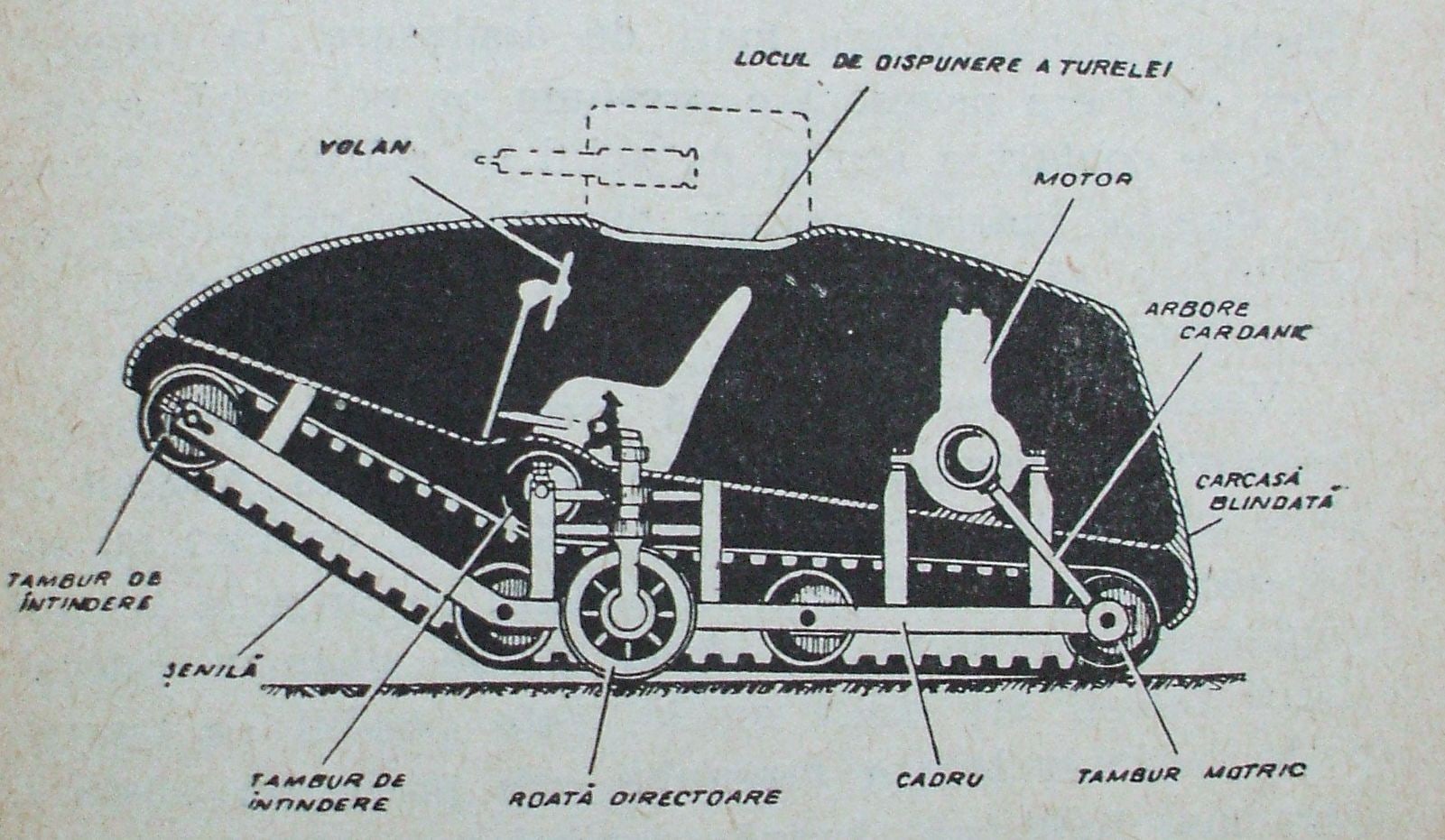
The Vezdekhod ran on a single wide track of rubberised fabric, carried on four drums with a fifth to keep it tensioned, and it was steered by two small wheels at its sides. A 10 hp petrol engine drove the rear drum. It was about 3.6 m long, 2 m wide and 1.5 m high. DARTZ describes its design as holding the key elements of a modern tank: tracks, an armoured hull and a turret for armament.
The first tank?
The Vezdekhod was never built in series. Its steering proved difficult, the project was set aside, and a revival in 1916 went no further. Later, Soviet writers promoted it as the first tank, after British tanks had appeared on the Western Front. DARTZ is careful with the claim: it calls the Vezdekhod a contender, “still debatable”, and the T in its own name is for Tank.
Why it matters to DARTZ
DARTZ traces its armour to the same works: armoured railway carriages for the royal trains, armoured Russo-Balt cars, and the Vezdekhod. It honours Porokhovshchikov on its Wall of Fame. Read what DARTZ stands for and the history of the armoured car.
About DARTZ
DARTZ is a Riga carrosserie that builds bespoke, opulent vehicles, armoured or non-armoured, in strictly limited numbers. It calls them BONDs: Bespoke Opulent Noble Drives.
Its heritage runs back to the Russo-Baltic Wagon Factory (RBVZ), founded in Riga in 1869, whose automobile department built its first car in 1909. Leonard F. Yankelovich revived that heritage as DARTZ in 1988. The group, DARTZ Grupa OÜ, is registered in Tallinn, Estonia.
Its Prombron’ models, from the Iron Diamond and Black Dragon to the Black Shark, Black Alligator and Black Stallion, have been covered by Top Gear, Forbes, Robb Report and Fox News, among many others.
Questions we are asked
What was the Vezdekhod?
A tracked armoured prototype of 1915, designed by Aleksandr Porokhovshchikov and built in the Russo-Baltic works' automobile repair workshops in Riga.
Was the Vezdekhod the first tank?
It is one of the contenders. It was built and tested in 1915, before British tanks appeared, but it never went into production, and the claim is still debated.
Who was Aleksandr Porokhovshchikov?
A young aircraft designer who designed his first aircraft in 1909, flew in 1911 at the Zolitūde airstrip near Riga and in 1914 built what DARTZ calls the world's first twin-tail aircraft.
How did the Vezdekhod move?
On a single wide track of rubberised fabric around four drums, steered by two small wheels at its sides, driven by a 10 hp petrol engine.
EXPLORE THE COLLECTION
DARTZ MODELS
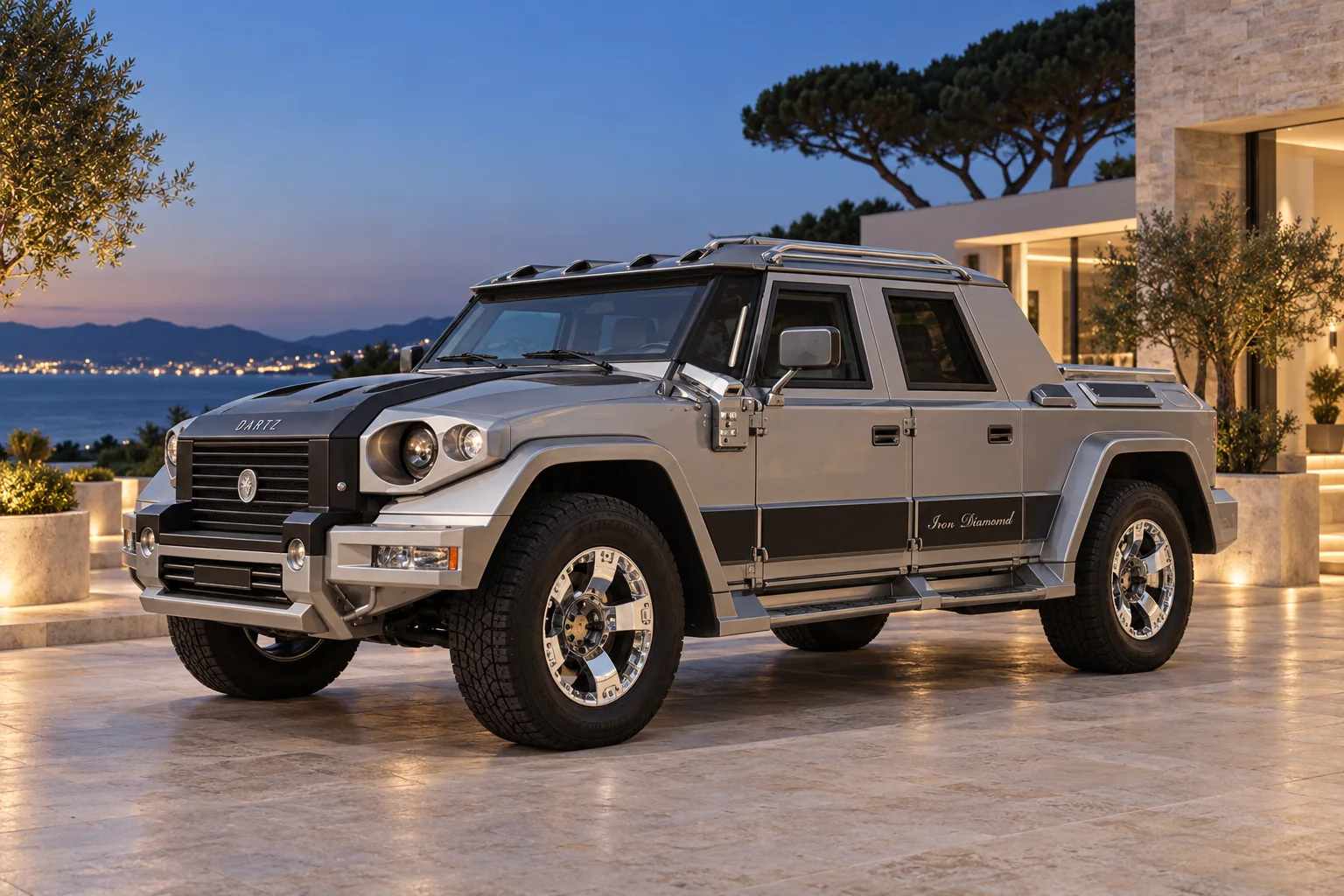 DARTZ PROMBRON' Iron.DiamondIron.Diamond 3-door Kapsula Kupe
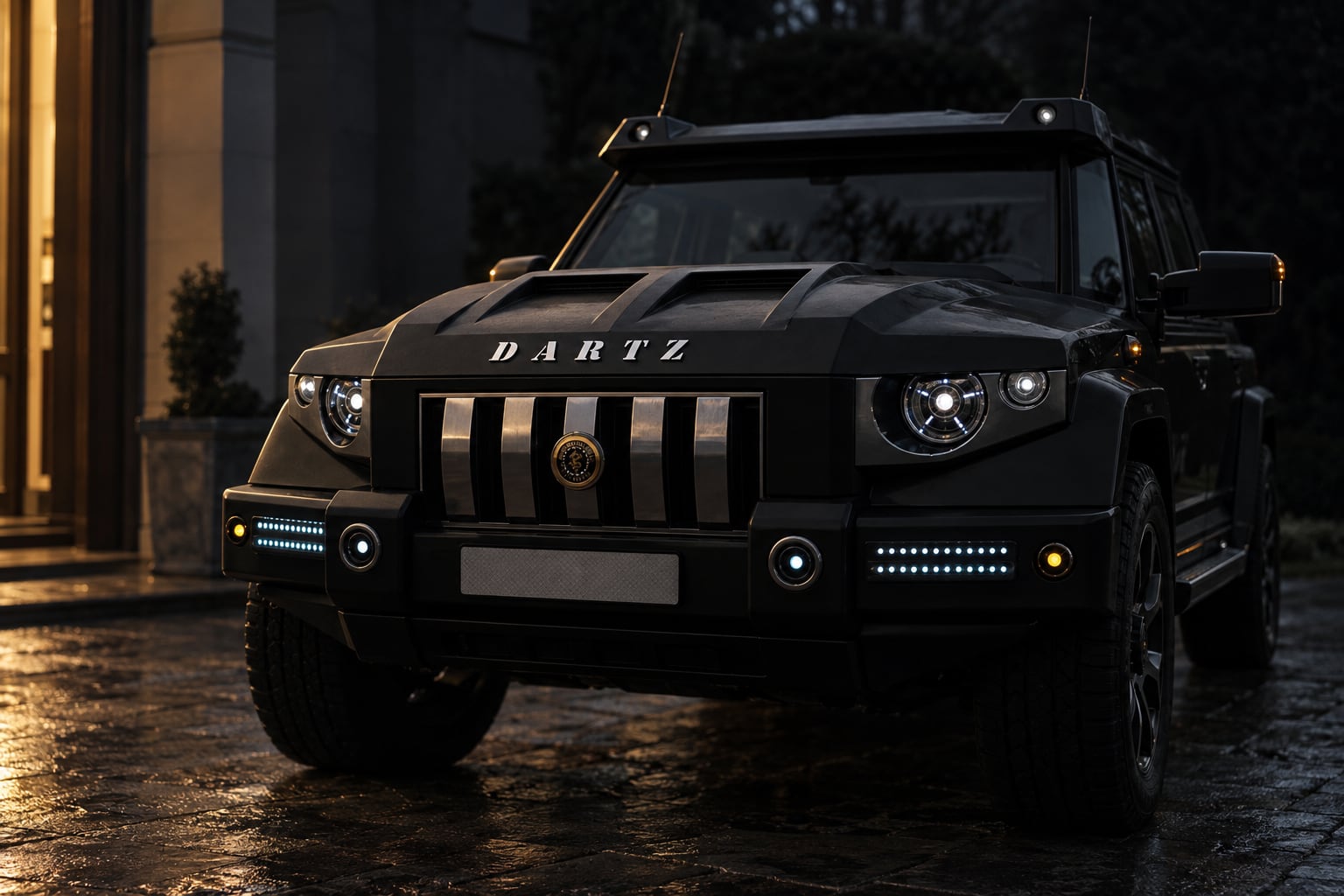 DARTZ PROMBRON' Black.DragonMade for China, 2012
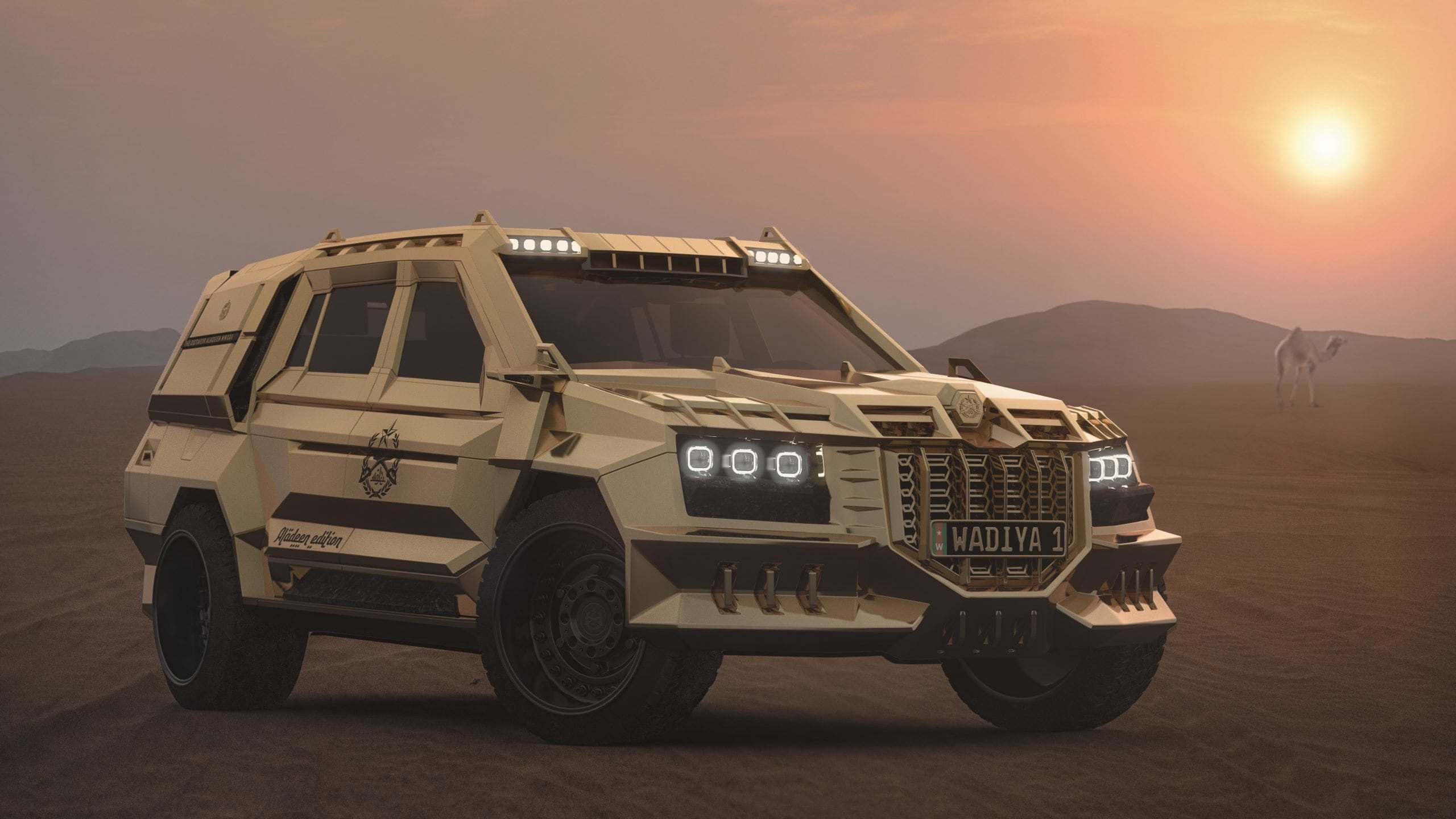 DARTZ PROMBRON' Aladeen (The DICTATOR)Built for The Dictator, 2012
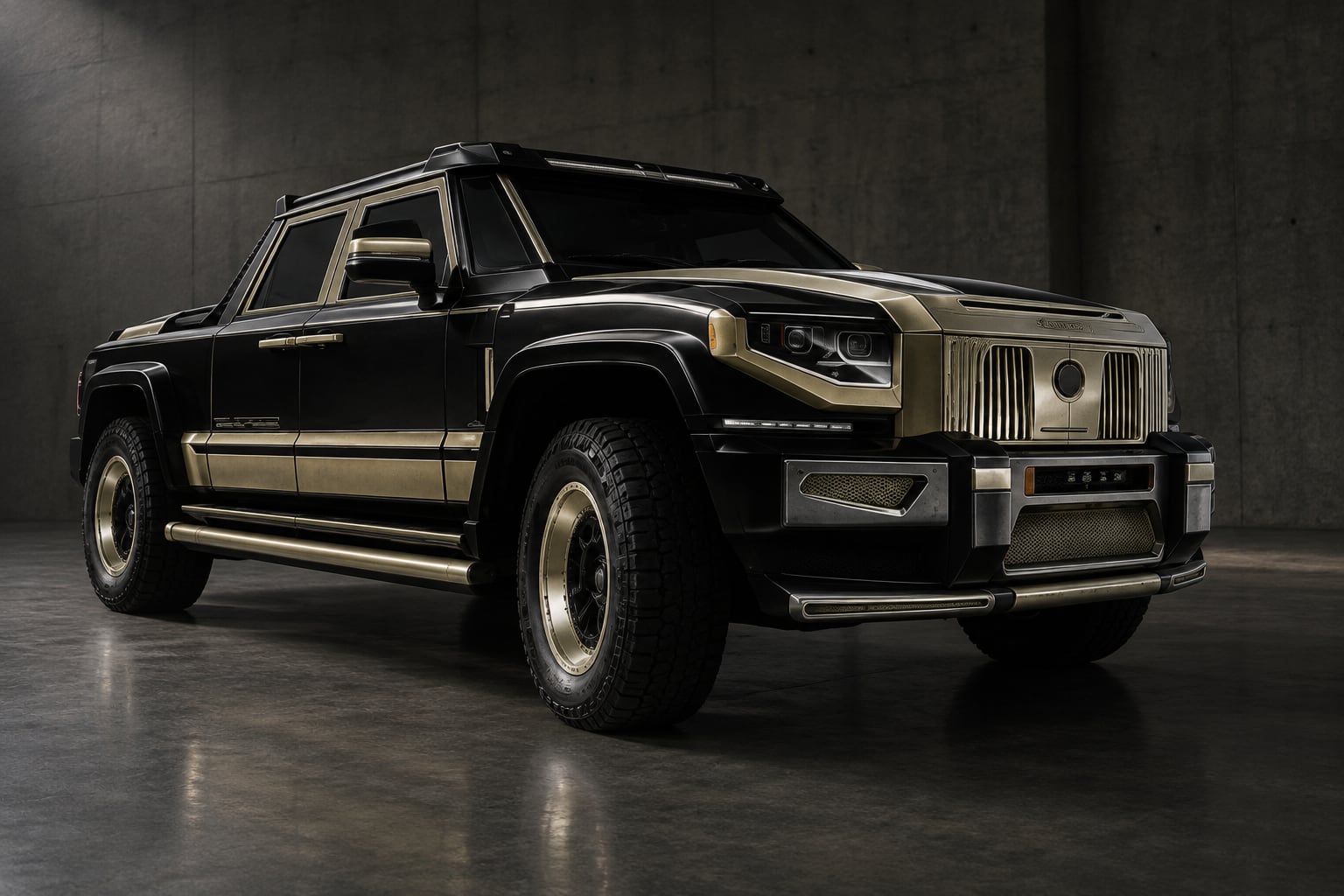 DARTZ Prombron' Black.Snake 2K13More expensive than Most Expensive
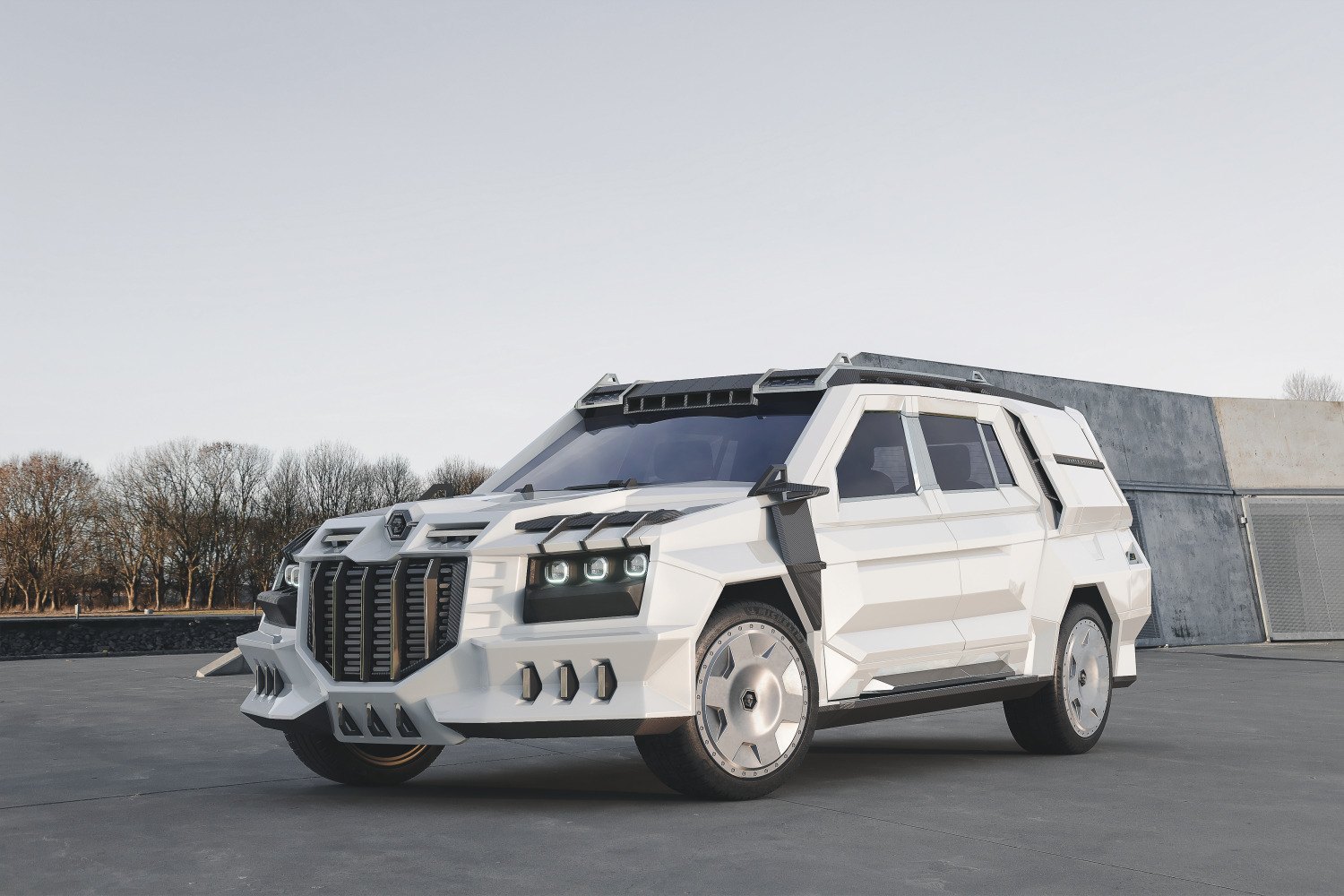 DARTZ Prombron' Black AlligatorMore Than The Most.
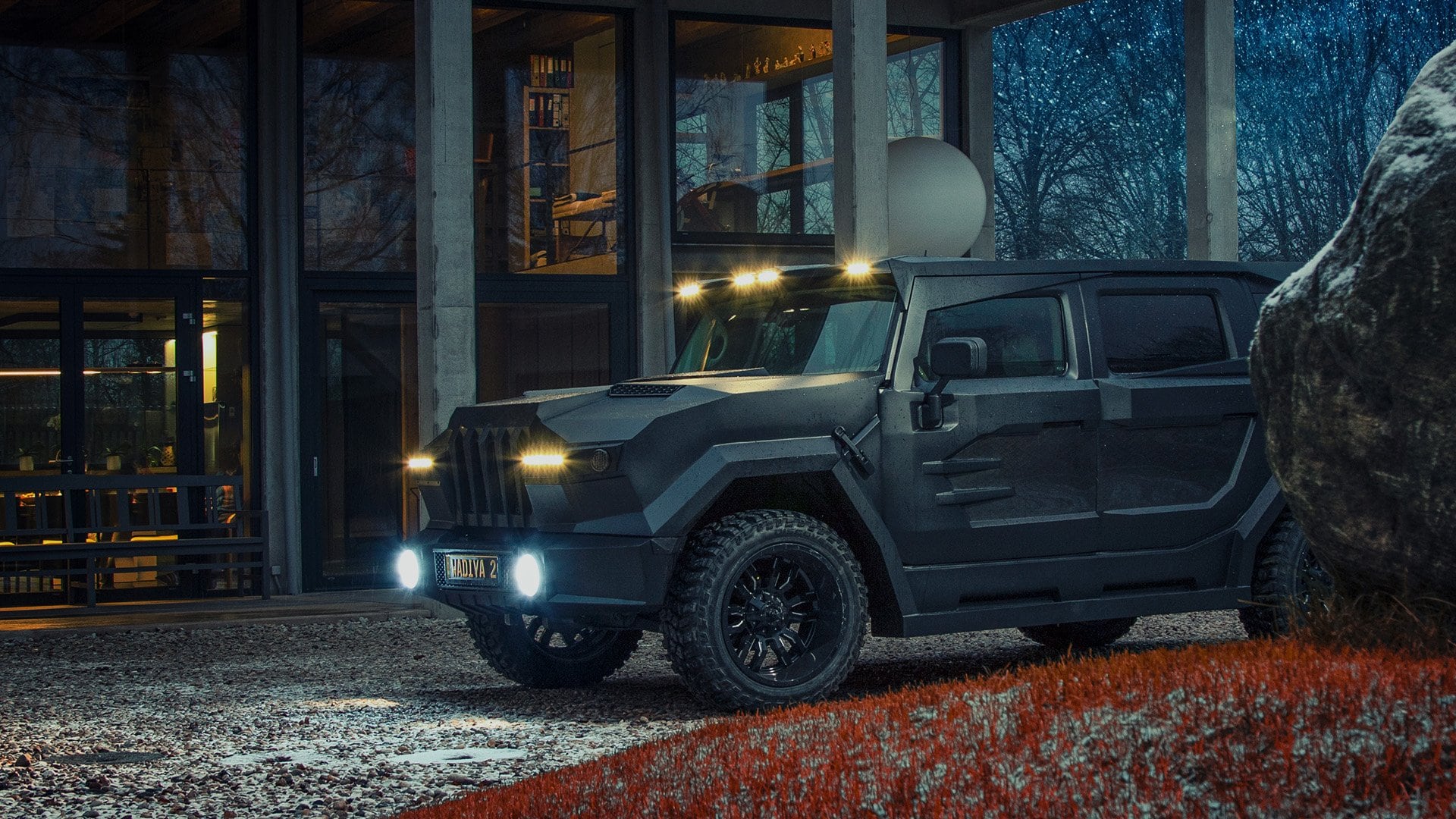 DARTZ Prombron' Black StallionBLACK STALLION
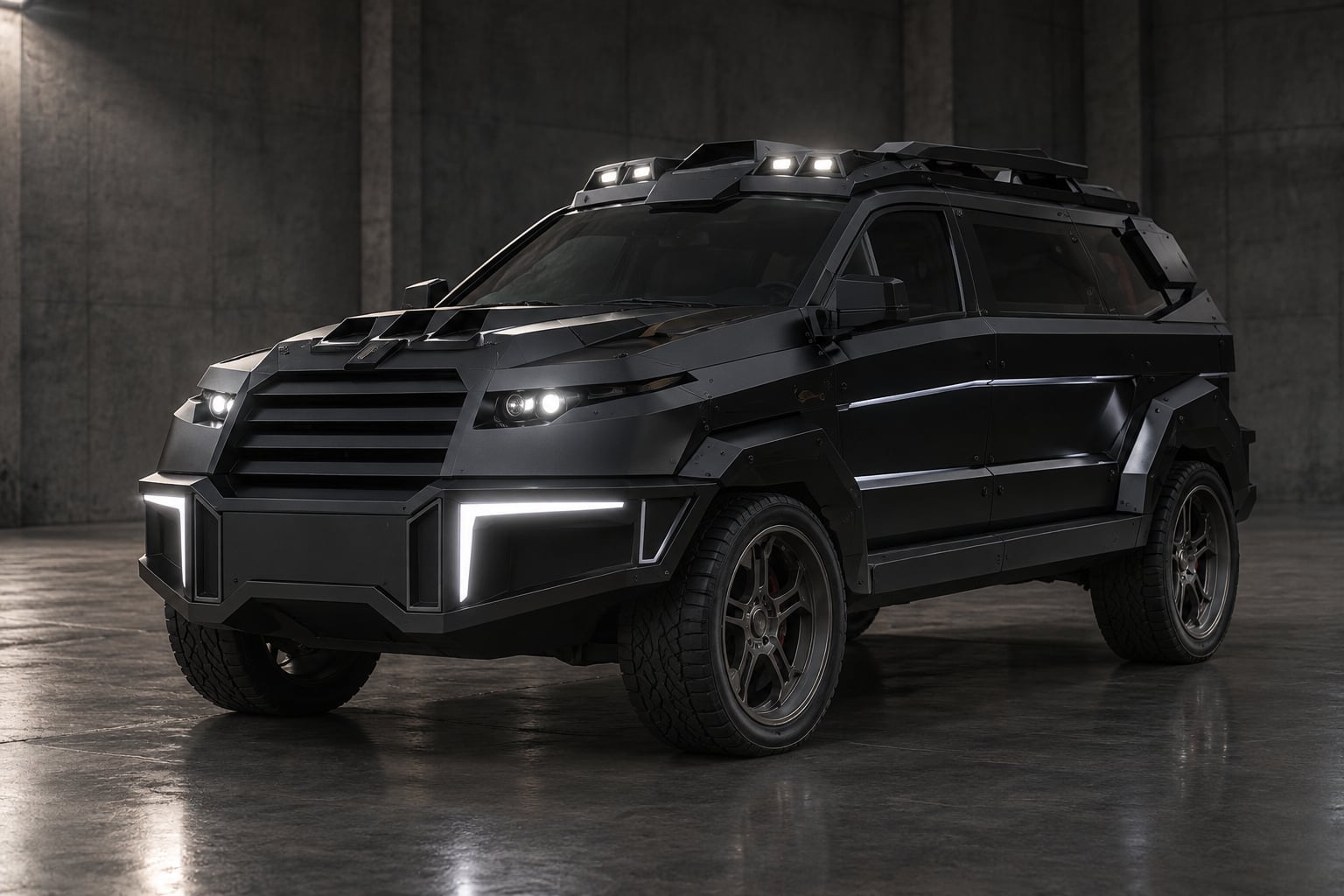 DARTZ PROMBRON' Black.SharkSpy.Grey 2K15
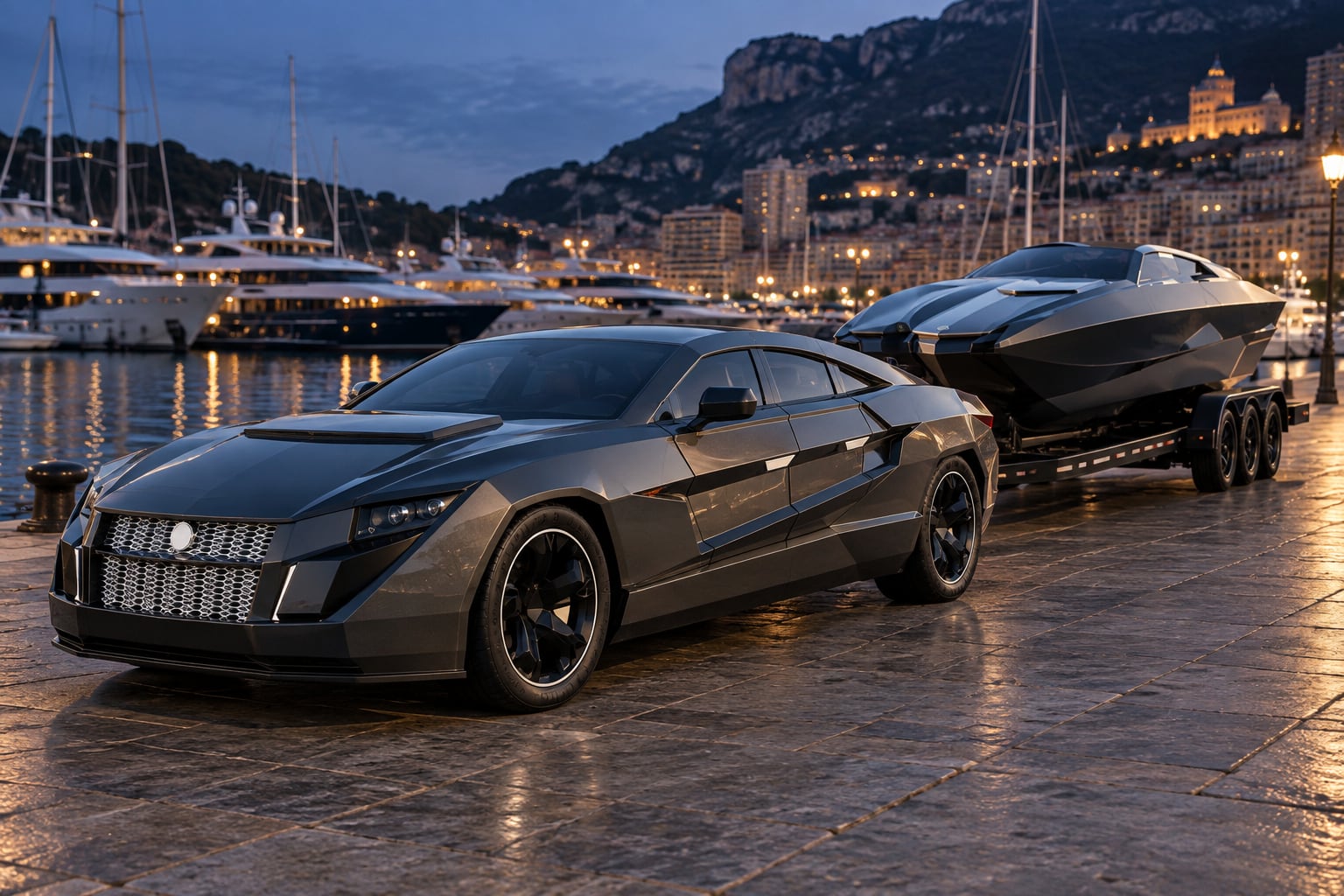 PAST MODELSNagel, Jo-Mojo, Kegresse, Shere Khan and more
Bulletproof opulence since 1869
DARTZ sells direct: no dealers, no intermediaries. Every enquiry is handled in confidence.
Explore the collection