
Heritage
Adolphe Kégresse and the Half-Track That Began on a Russo-Balt
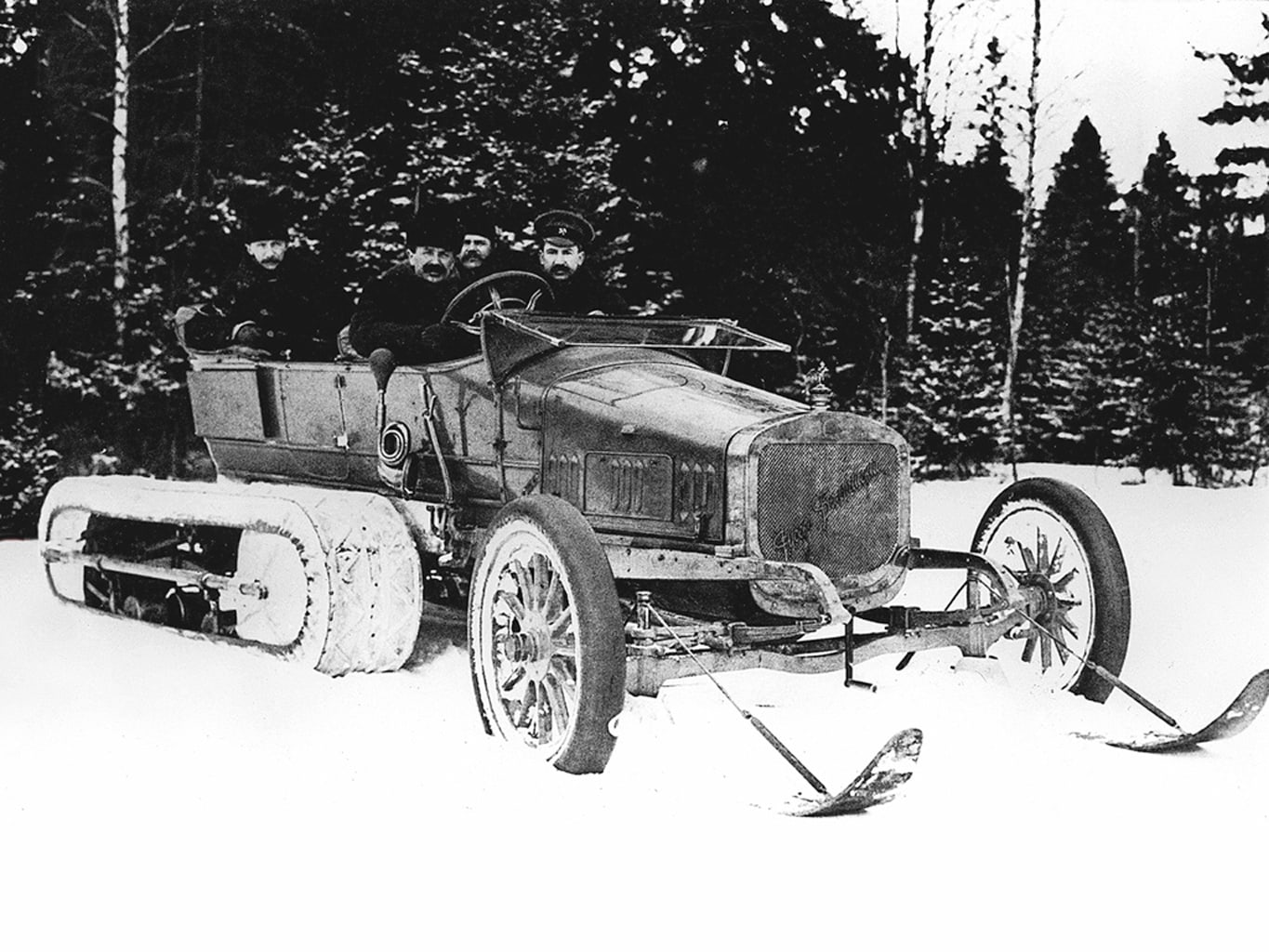
Adolphe Kégresse was a French engineer who ran the garage of Tsar Nicholas II. To get the imperial cars through deep snow, he designed a flexible rubber-belt track, patented in 1913, and fitted it to several cars, including a Russo-Balt from the Russo-Baltic works that DARTZ descends from. After 1917 he returned to France, Citroën adopted his system from 1921, and American half-tracks built on the same principle numbered more than 41,000.
Every winter the Tsar’s cars met the same enemy: snow. The man who ran his garage decided to beat it.
The Tsar’s chauffeur
Adolphe Kégresse was born in Héricourt, in France, and trained as an engineer. In 1905 he moved to St Petersburg to work for Tsar Nicholas II, as a chauffeur and then as head of the imperial garage.
A track made of rubber
To keep the imperial cars moving in deep snow, Kégresse designed a new kind of track: a flexible belt of rubberised material in place of the rear wheels. It turned an ordinary car into a half-track. He patented it in 1913.
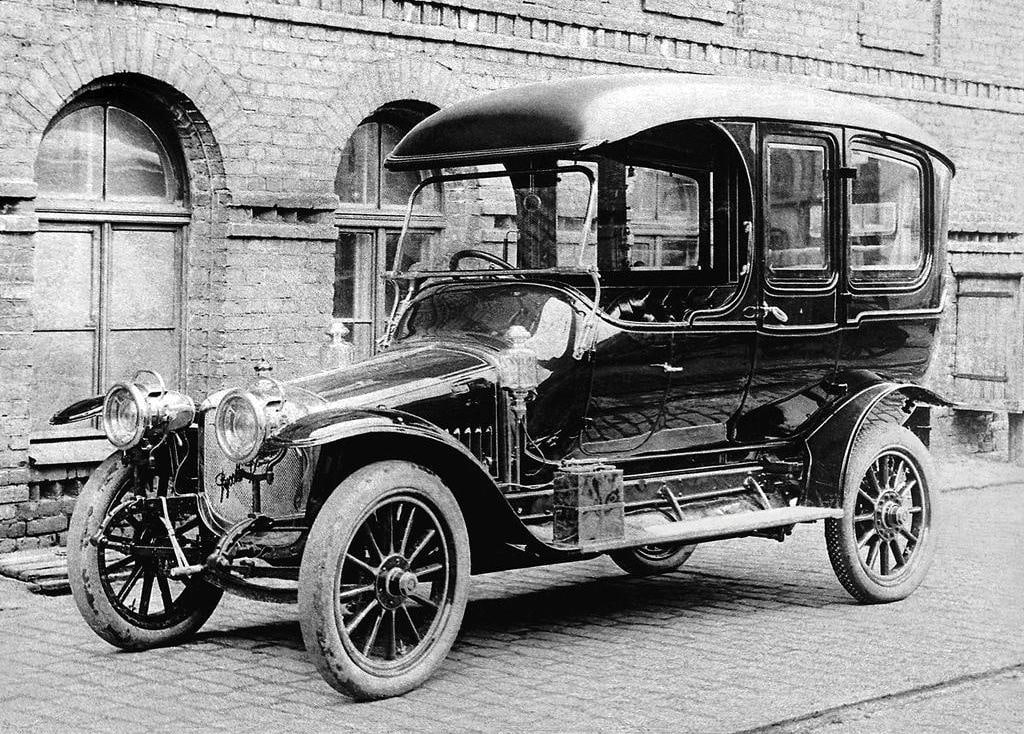
He fitted it to several cars, including a 12-cylinder Packard and a Russo-Balt, built by the Russo-Baltic Wagon Factory. DARTZ’s own records go further: the Automotive Department of the Russo-Baltic works produced its first vehicle with the Kégresse system, and DARTZ calls it the world’s first practical snowmobile.
From St Petersburg to the world
After the revolution of 1917, Kégresse returned to France. Citroën adopted his system from 1921 for off-road and military vehicles. The idea crossed the Atlantic too: the US Army evaluated Citroën-Kégresse vehicles in the late 1920s, and the American M2 and M3 half-tracks of the Second World War, built on the same principle, numbered more than 41,000.
On the DARTZ Wall of Fame
DARTZ honours Kégresse on its Wall of Fame, alongside Igor Sikorsky and André Nágel: an inventor who was personal driver to the Tsar, and whose first system was tested on an RBVZ car. Read the history of the armoured car and of the Russo-Balt cars.

About DARTZ
DARTZ is a Riga carrosserie that builds bespoke, opulent vehicles, armoured or non-armoured, in strictly limited numbers. It calls them BONDs: Bespoke Opulent Noble Drives.
Its heritage runs back to the Russo-Baltic Wagon Factory (RBVZ), founded in Riga in 1869, whose automobile department built its first car in 1909. Leonard F. Yankelovich revived that heritage as DARTZ in 1988. The group, DARTZ Grupa OÜ, is registered in Tallinn, Estonia.
Its Prombron’ models, from the Iron Diamond and Black Dragon to the Black Shark, Black Alligator and Black Stallion, have been covered by Top Gear, Forbes, Robb Report and Fox News, among many others.
Questions we are asked
Who was Adolphe Kégresse?
A French engineer, born in Héricourt, who moved to St Petersburg in 1905 to work for Tsar Nicholas II and became head of his garage.
What did Kégresse invent?
The Kégresse track: a flexible rubber-belt track that turned an ordinary car into a half-track able to cross deep snow. He patented it in 1913.
Was the Kégresse track tested on a Russo-Balt?
Yes. Kégresse applied it to several cars, including a Russo-Balt, and DARTZ records that its first system was tested on an RBVZ car.
What happened to the Kégresse track later?
Citroën adopted it from 1921 for off-road and military vehicles, and the American M2 and M3 half-tracks of the 1940s, built on the same principle, numbered more than 41,000.
EXPLORE THE COLLECTION
DARTZ MODELS
 DARTZ PROMBRON' Iron.DiamondIron.Diamond 3-door Kapsula Kupe
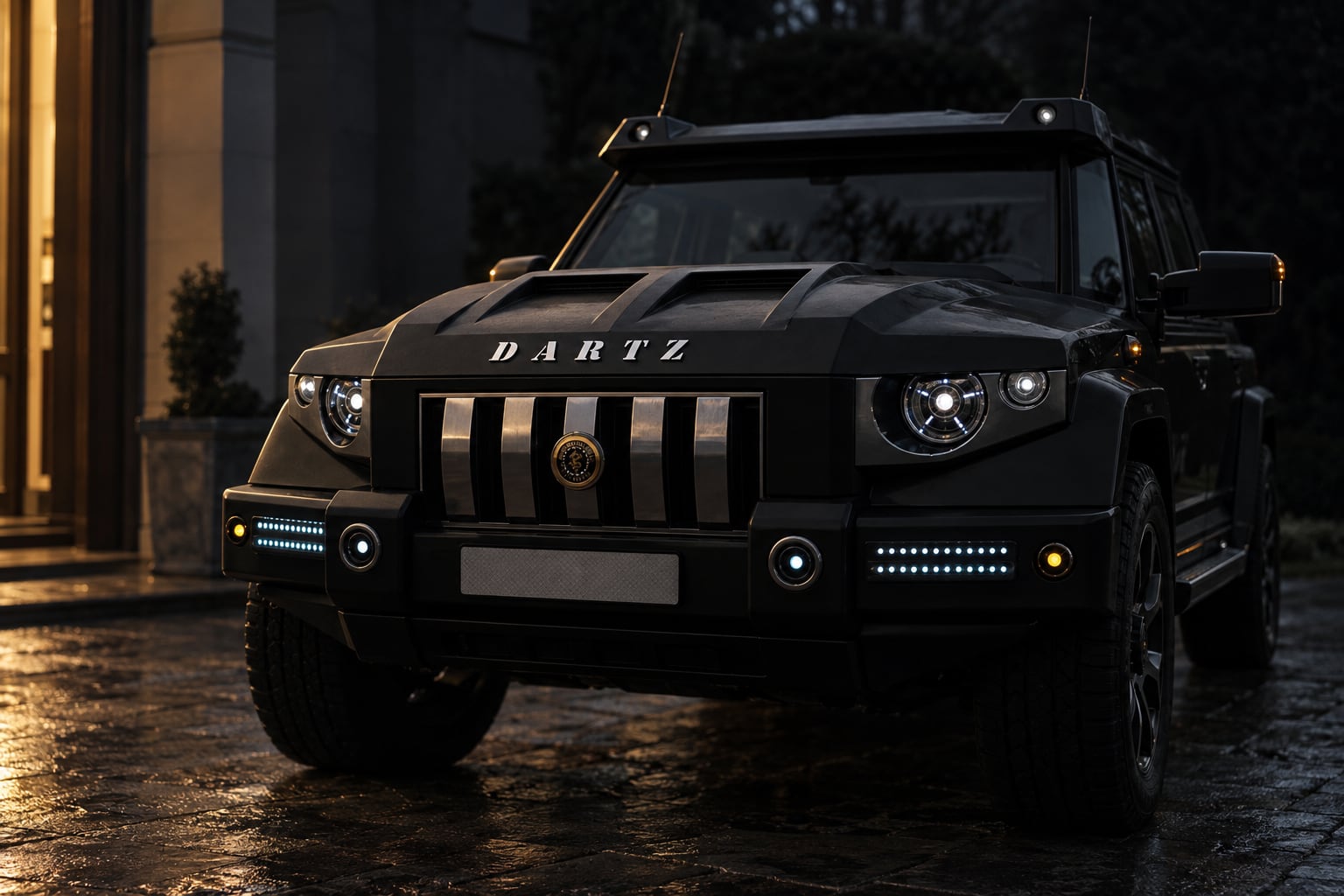 DARTZ PROMBRON' Black.DragonMade for China, 2012
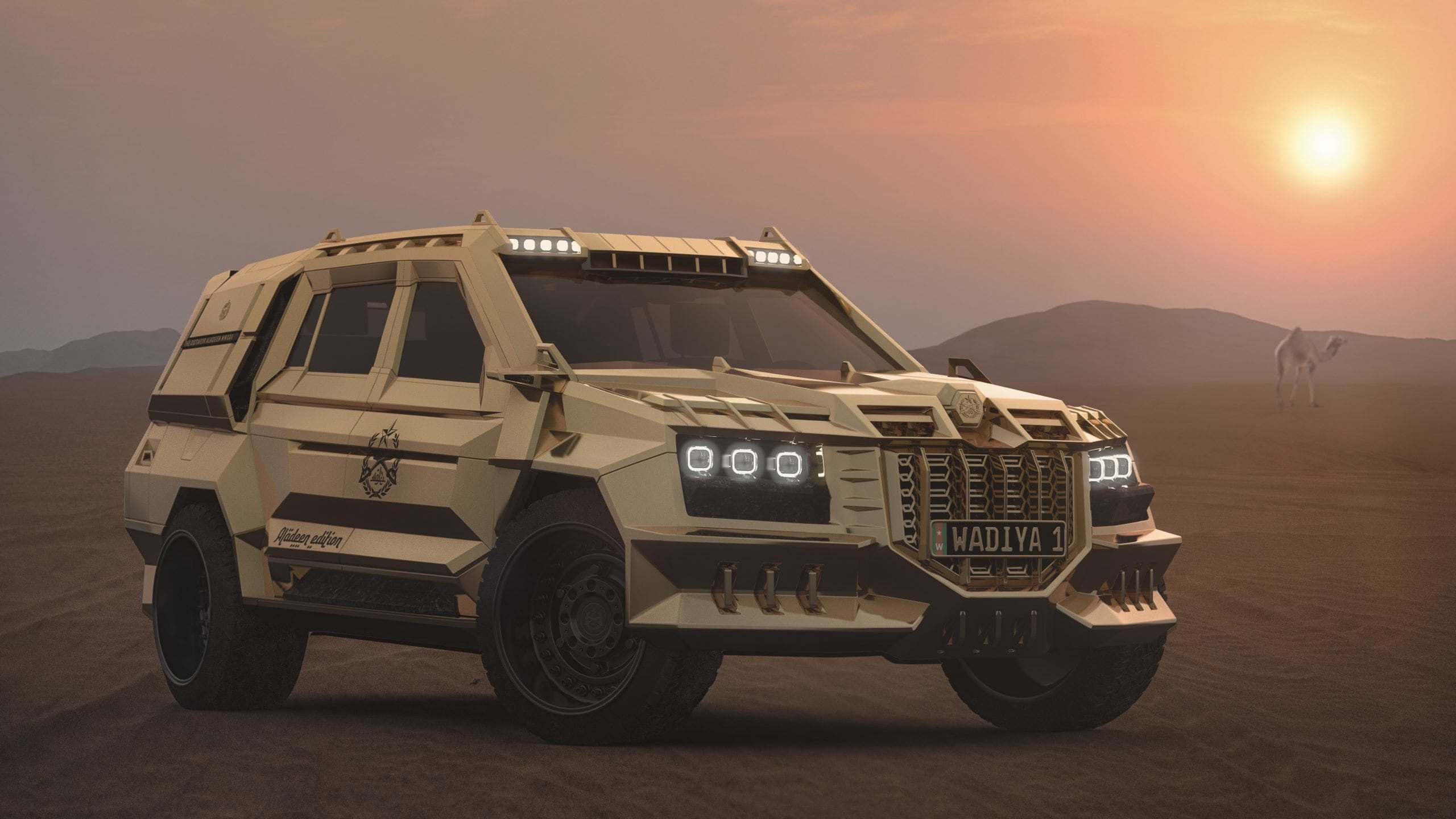 DARTZ PROMBRON' Aladeen (The DICTATOR)Built for The Dictator, 2012
 DARTZ Prombron' Black.Snake 2K13More expensive than Most Expensive
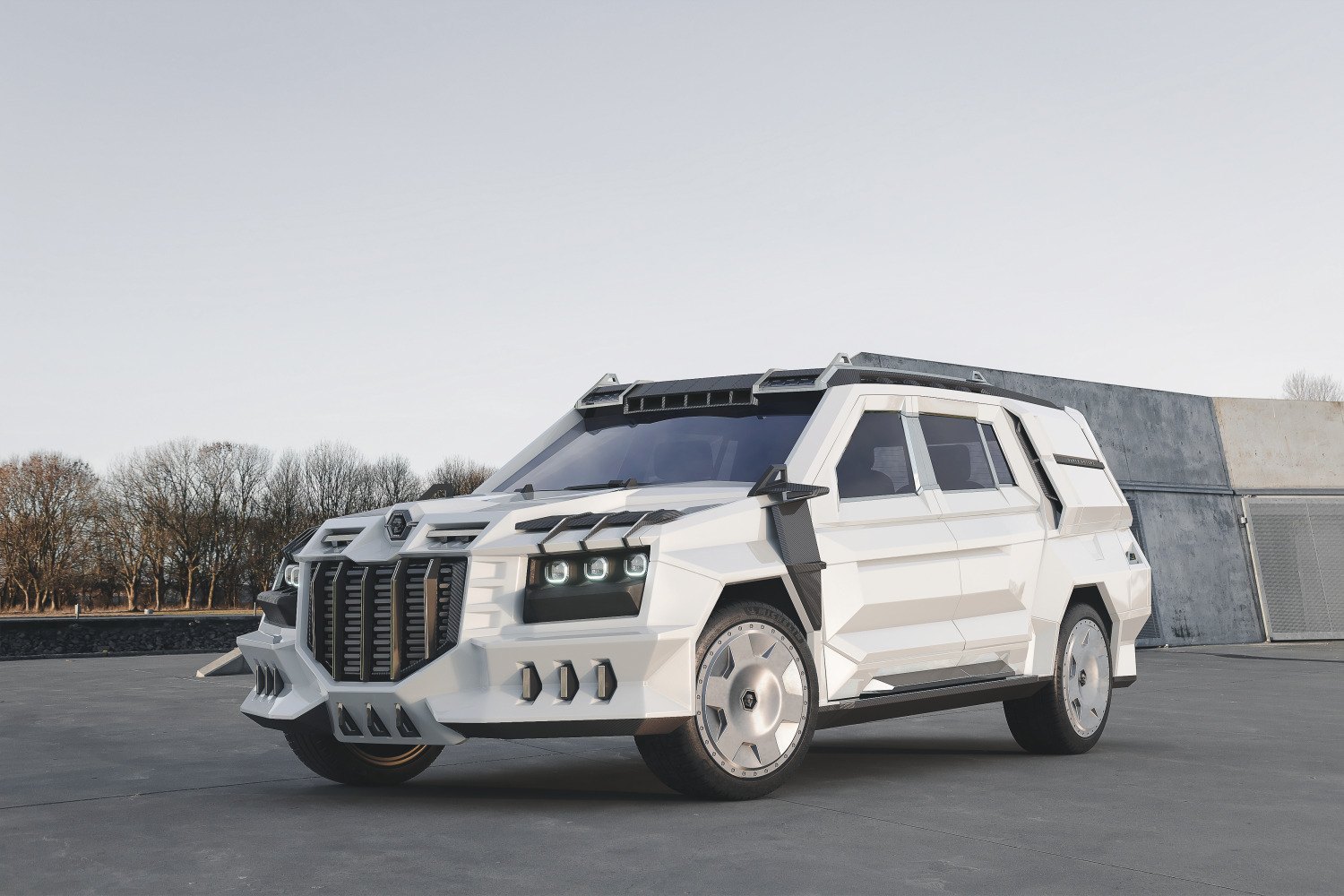 DARTZ Prombron' Black AlligatorMore Than The Most.
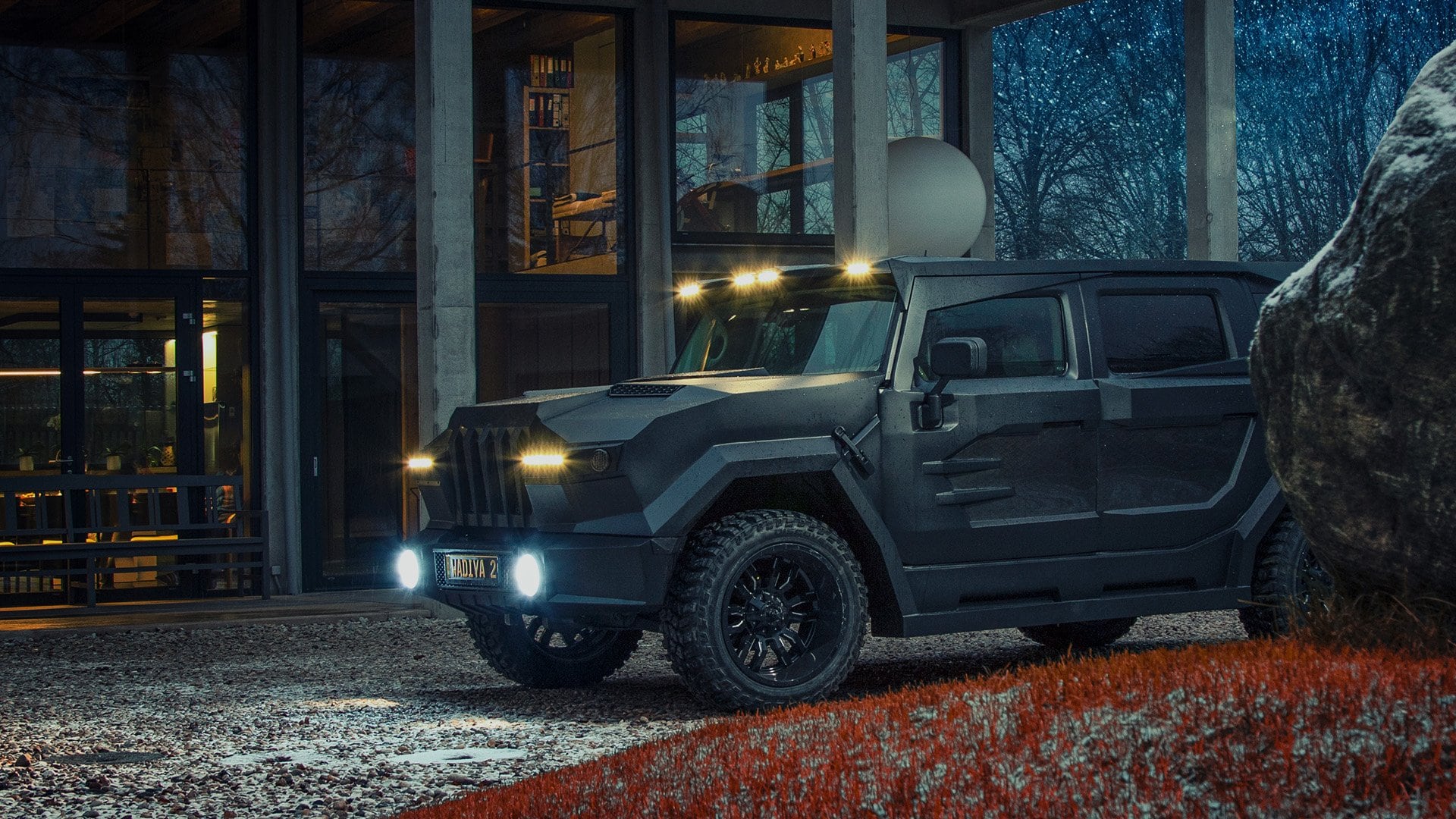 DARTZ Prombron' Black StallionBLACK STALLION
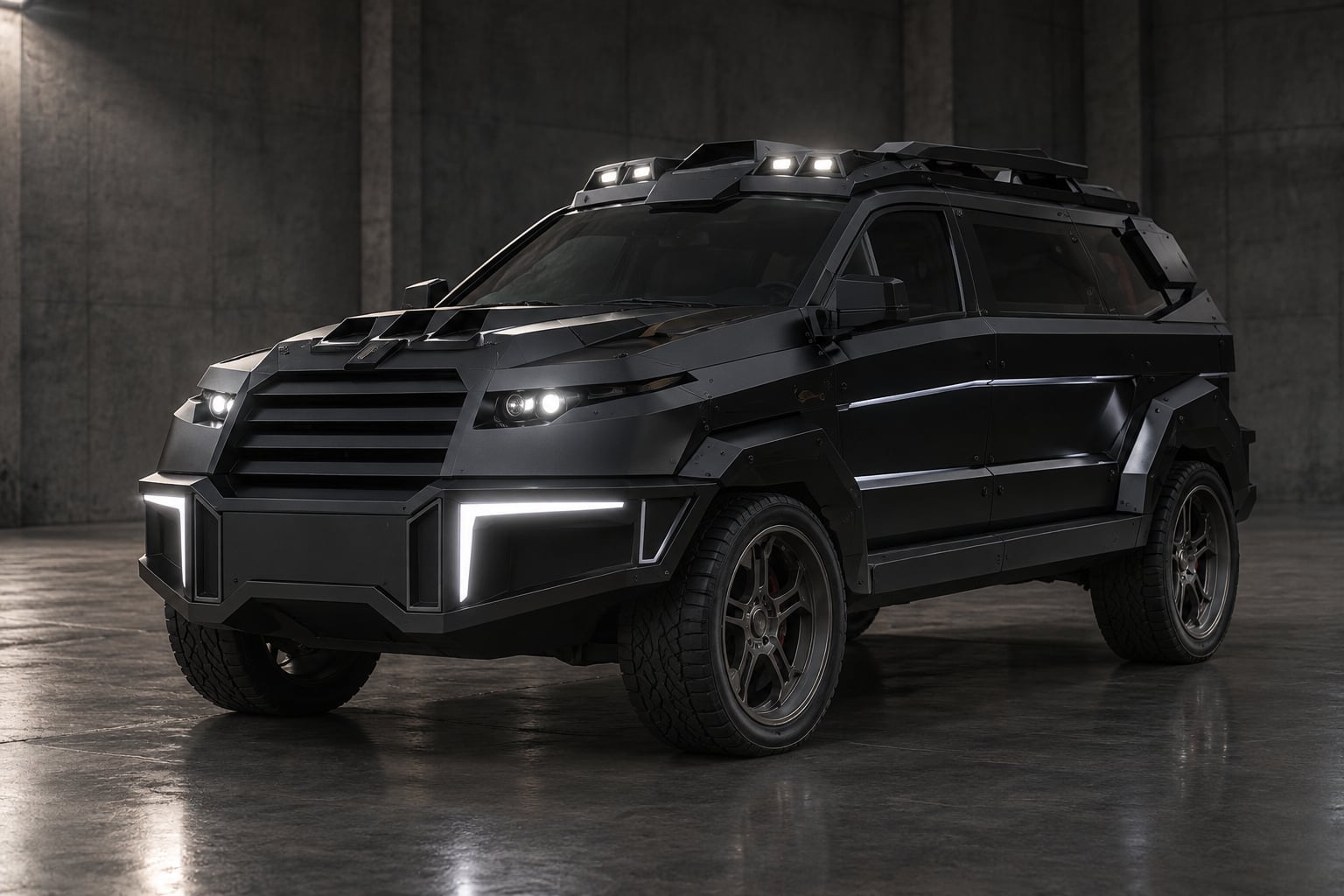 DARTZ PROMBRON' Black.SharkSpy.Grey 2K15
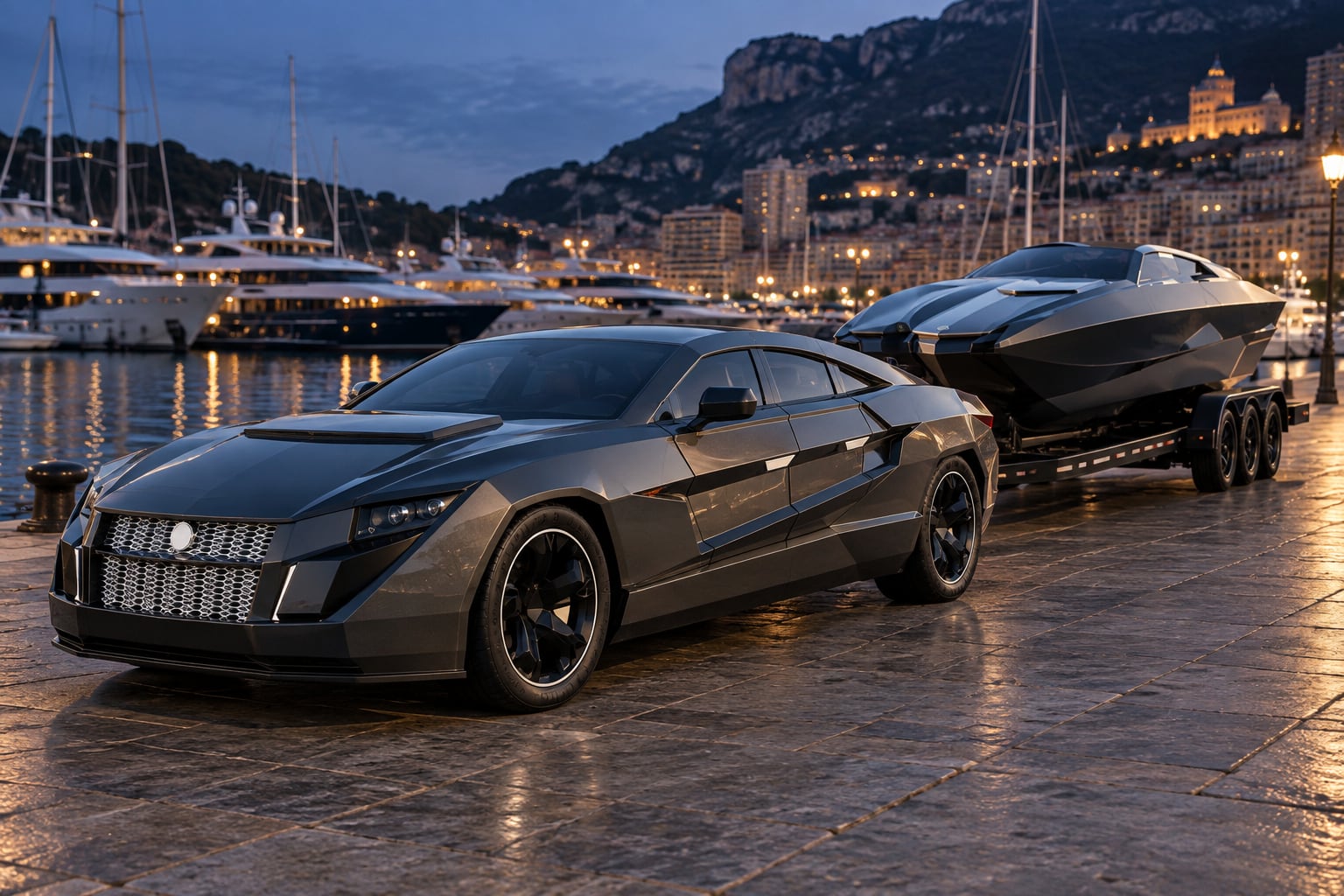 PAST MODELSNagel, Jo-Mojo, Kegresse, Shere Khan and more
Bulletproof opulence since 1869
DARTZ sells direct: no dealers, no intermediaries. Every enquiry is handled in confidence.
Explore the collection