
Heritage
A Short History of the Armoured Car, from 1902 to Riga
The first armoured cars were built in 1902: Simms' Motor War Car, shown in London in April, and the Charron, Girardot et Voigt, shown in Brussels in March. Within a decade the Russo-Baltic Wagon Factory in Riga was building cars, and DARTZ dates its first armoured cars to 1912. Kégresse, who patented his half-track belts in 1913, applied them to a Russo-Balt. DARTZ carries that heritage forward, and revived its name in 1988.
The armoured car is older than the tank and nearly as old as the motor car. It began the way many inventions do: two engineers, in two countries, in the same spring, with the same idea.
1902: two machines in one spring
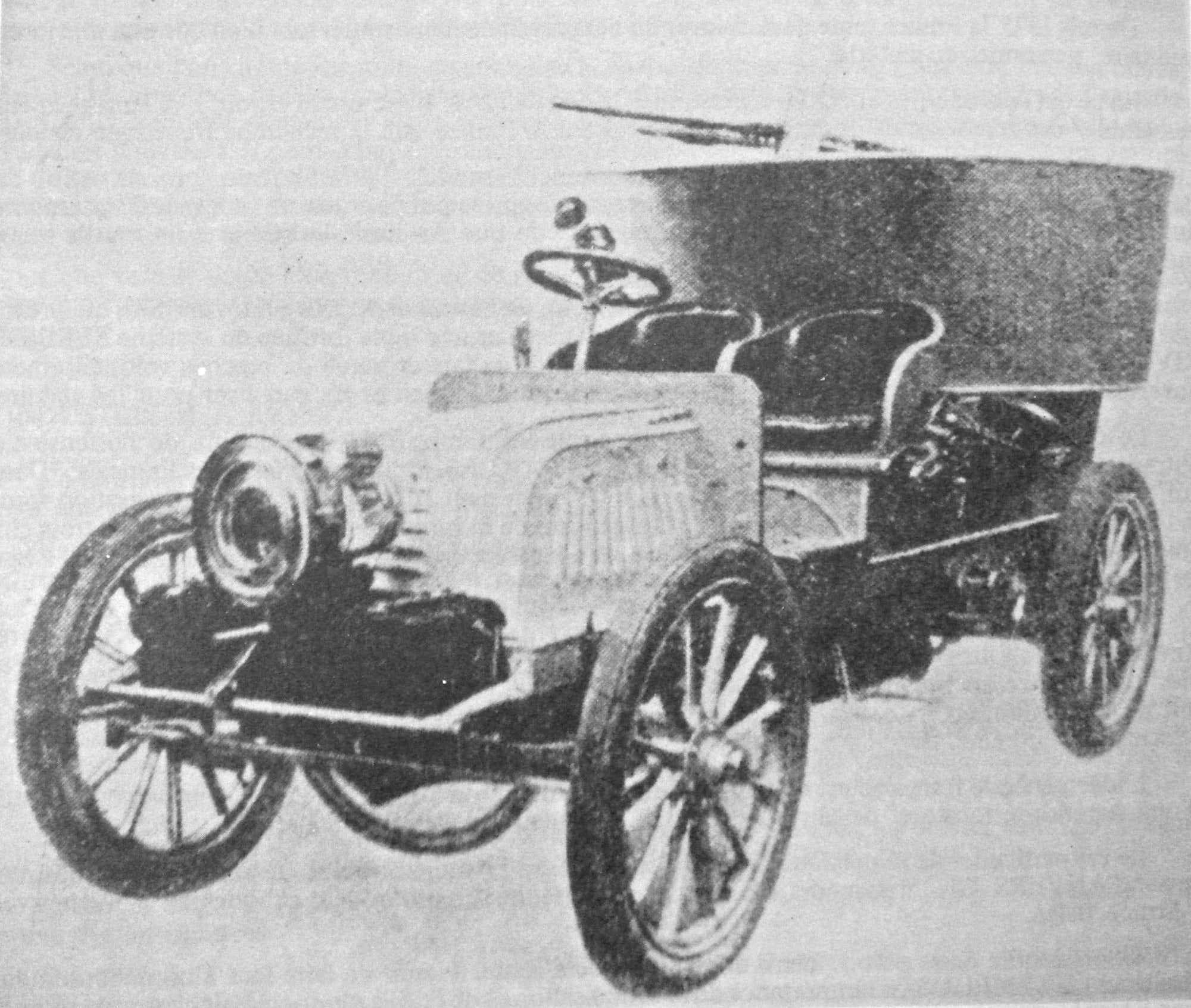
The first armoured cars that were actually built appeared within weeks of each other in 1902. The Charron, Girardot et Voigt was presented at the Brussels motor show on 8 March, with a Hotchkiss machine gun and 7 mm of armour for its gunner. Simms’ Motor War Car followed at the Crystal Palace in London in April: Vickers armour 6 mm thick, a Daimler engine and two Maxim guns in turrets that turned through a full circle. In 1904 came the Austro-Daimler Panzerautomobil, with curved plates 3 to 3.5 mm thick and a domed rotating turret. (Armored car on Wikipedia)
1909: Riga builds its first cars
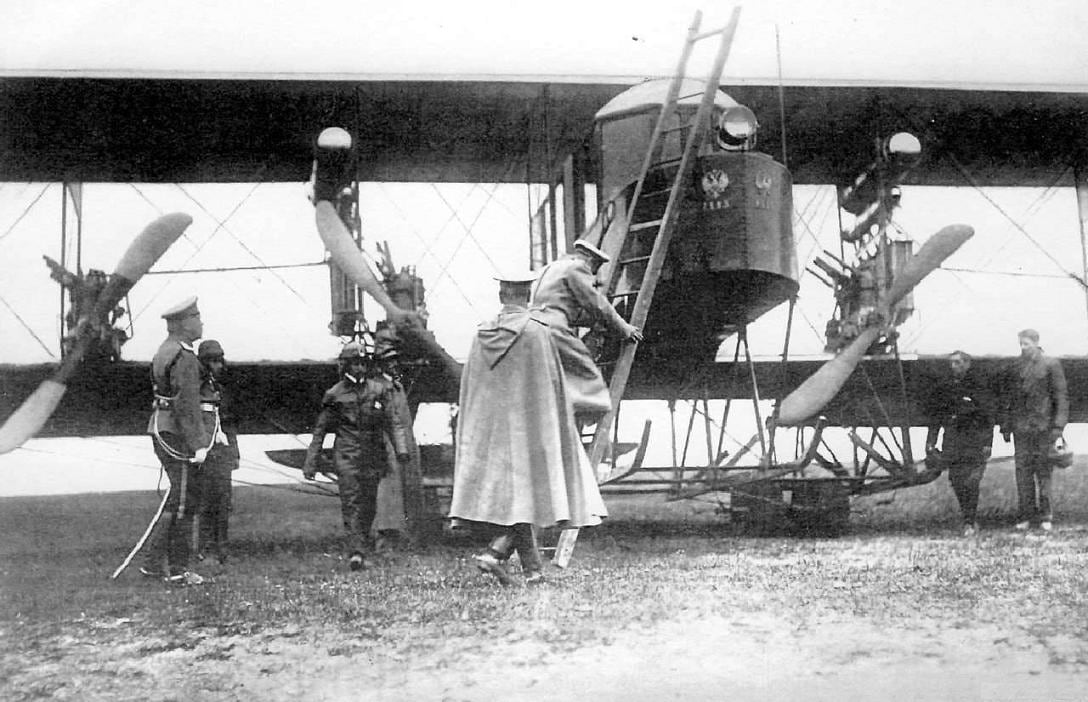
The Russo-Baltic Wagon Factory, RBVZ, had built railway carriages in Riga for decades. DARTZ dates the works to 1869, and the company became a joint-stock firm in 1874. In 1909 it began building cars under the Swiss designer Julien Potterat. RBVZ’s aviation department also built aircraft, among them Igor Sikorsky’s four-engine Ilya Muromets bomber from 1913. (Russo-Balt on Wikipedia)
1913 to 1915: armour meets the Russo-Balt
Adolphe Kégresse, the engineer who ran the Tsar’s garage, designed a flexible-belt track system and patented it in 1913. He applied it to several cars, including a Russo-Balt. Citroën adopted the idea in 1921, and the American M2 and M3 half-tracks built on the same principle in the 1940s numbered more than 41,000. (Kégresse track on Wikipedia)
DARTZ dates RBVZ’s first armoured cars to 1912, the year the works began supplying cars to the Russian Army. By the war they were in service: four Russo-Balt armoured cars were used at the Battle of Przasnysz in February and March 1915 to help break the German line. In December 1914 the first Rolls-Royce armoured cars had reached the Western Front, by which time the mobile phase of the war there was already over. DARTZ also counts the Vezdekhod, a tracked armoured vehicle with a rotating turret built at the Riga works and tested on 18 May 1915, among the contenders for the world’s first tank, a claim it describes as still debated.
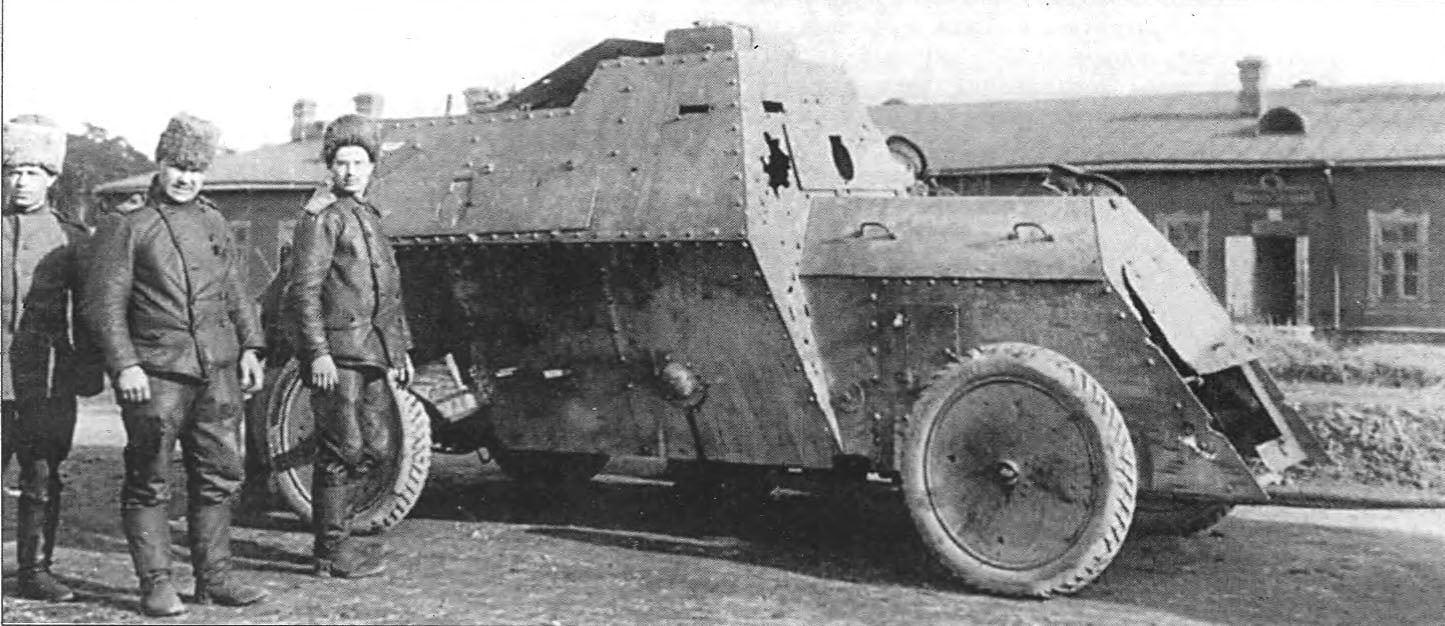
In the autumn of 1915, as German forces approached Riga, the automobile works were evacuated to Moscow, to the Fili district.
1922: a name for armour
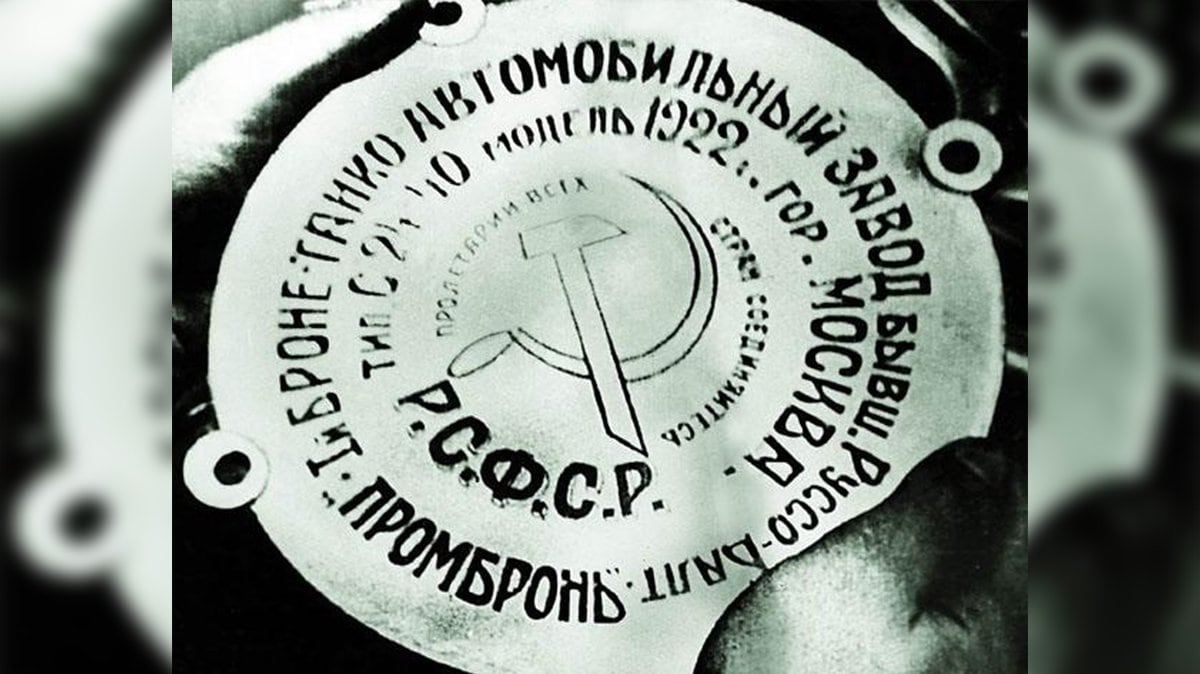
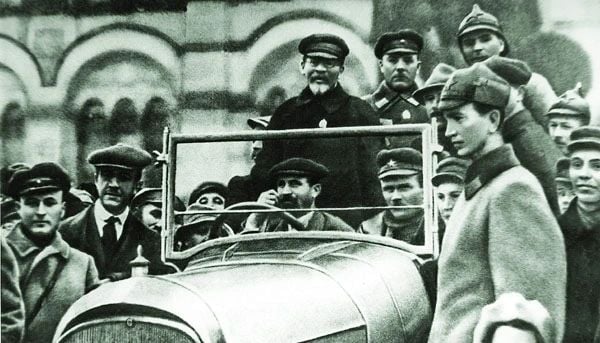
In 1922 the successor to the evacuated works, the First State Armoured Vehicle Factory in Moscow, assembled an armoured car from Russo-Baltic parts. It was called Prombron’, short for Industrial Armour. The first was completed on 8 October 1922.
1988 to now: the name returns
In 1988 Leonard F. Yankelovich, the great-grandson of a minority shareholder in RBVZ, revived the heritage in Riga as DARTZ. The model name came with it. Every DARTZ Prombron’ since has been built to commission, armoured or non-armoured, in the city where the first Russo-Balt car was built.
About DARTZ
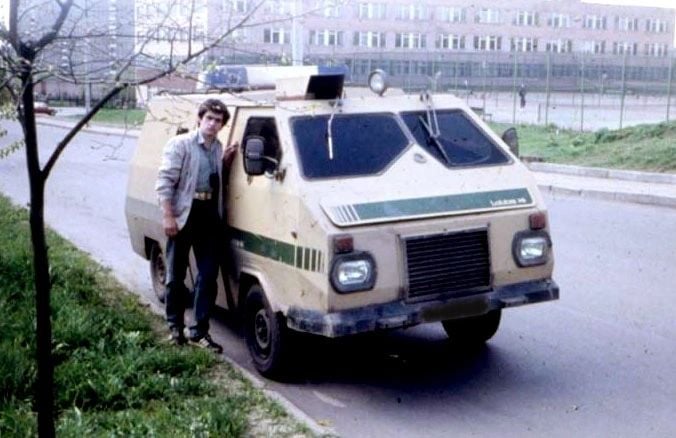
DARTZ is a Riga carrosserie that builds bespoke, opulent vehicles, armoured or non-armoured, in strictly limited numbers. It calls them BONDs: Bespoke Opulent Noble Drives.
Its heritage runs back to the Russo-Baltic Wagon Factory (RBVZ), founded in Riga in 1869, whose automobile department built its first car in 1909. Leonard F. Yankelovich revived that heritage as DARTZ in 1988. The group, DARTZ Grupa OÜ, is registered in Tallinn, Estonia.
Its Prombron’ models, from the Iron Diamond and Black Dragon to the Black Shark, Black Alligator and Black Stallion, have been covered by Top Gear, Forbes, Robb Report and Fox News, among many others.
Questions we are asked
When was the first armoured car built?
In 1902. Simms' Motor War Car, with 6 mm of Vickers armour, was shown at the Crystal Palace in London in April, and the Charron, Girardot et Voigt, with 7 mm armour for its gunner, was shown in Brussels in March.
What did the Russo-Baltic Wagon Factory have to do with armoured cars?
The Riga works began building cars in 1909 and produced armoured versions of its Russo-Balt from 1914. Four Russo-Balt armoured cars were used at the Battle of Przasnysz in early 1915.
Who was Adolphe Kégresse?
A French engineer who, while working in Russia, designed a flexible-belt track system, patented in 1913, and applied it to several cars including a Russo-Balt. Citroën later adopted it for half-tracks.
What does Prombron’ mean?
A Russian abbreviation for Industrial Armour. It was first used in 1922 for an armoured car built from Russo-Baltic parts, and DARTZ has used it as its model name ever since.
Is DARTZ the same company as Russo-Balt?
No. DARTZ is a Riga carrosserie that traces its heritage to the Russo-Baltic Wagon Factory. Leonard F. Yankelovich, the great-grandson of a minority shareholder, revived that heritage as DARTZ in 1988.
EXPLORE THE COLLECTION
DARTZ MODELS
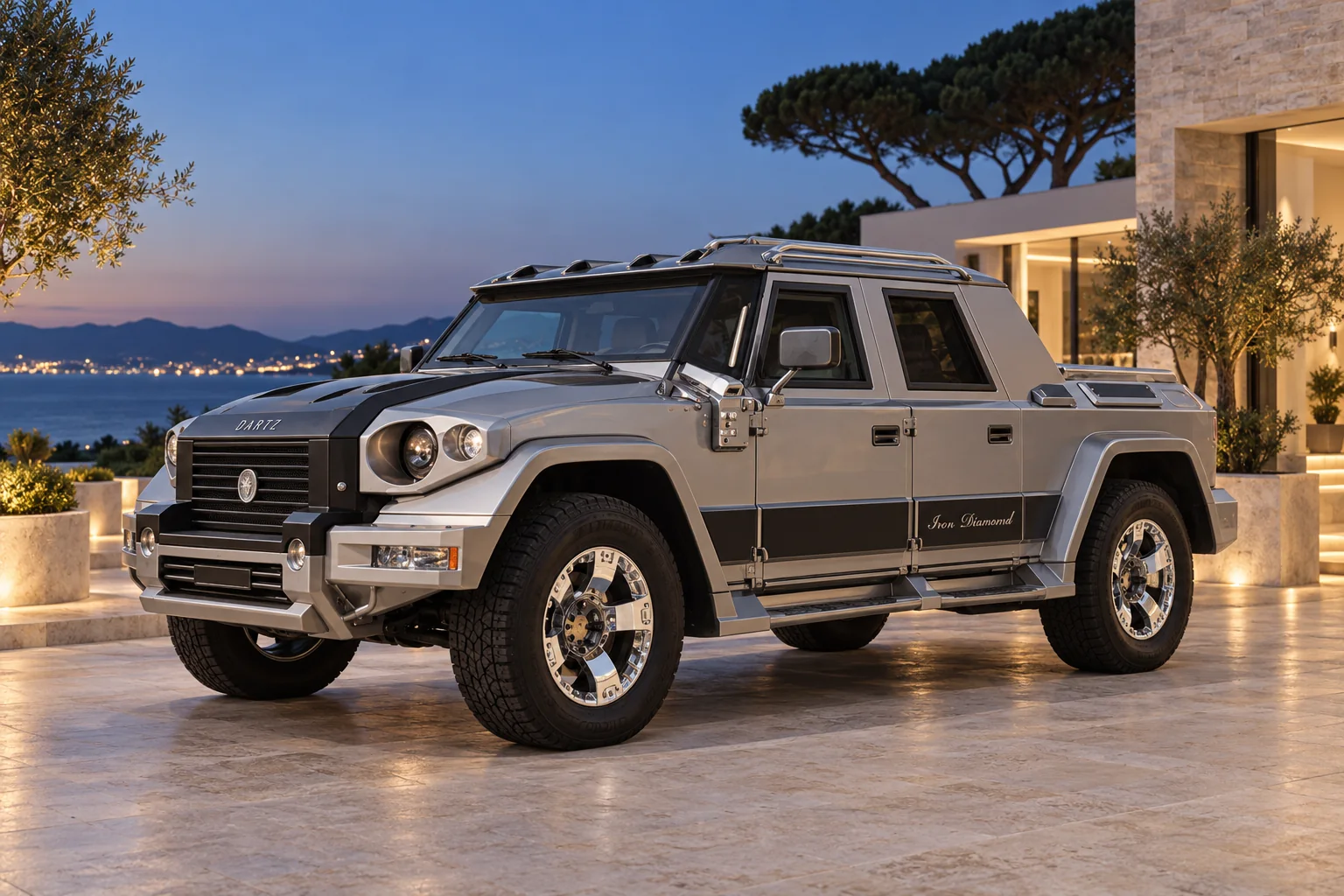 DARTZ PROMBRON' Iron.DiamondIron.Diamond 3-door Kapsula Kupe
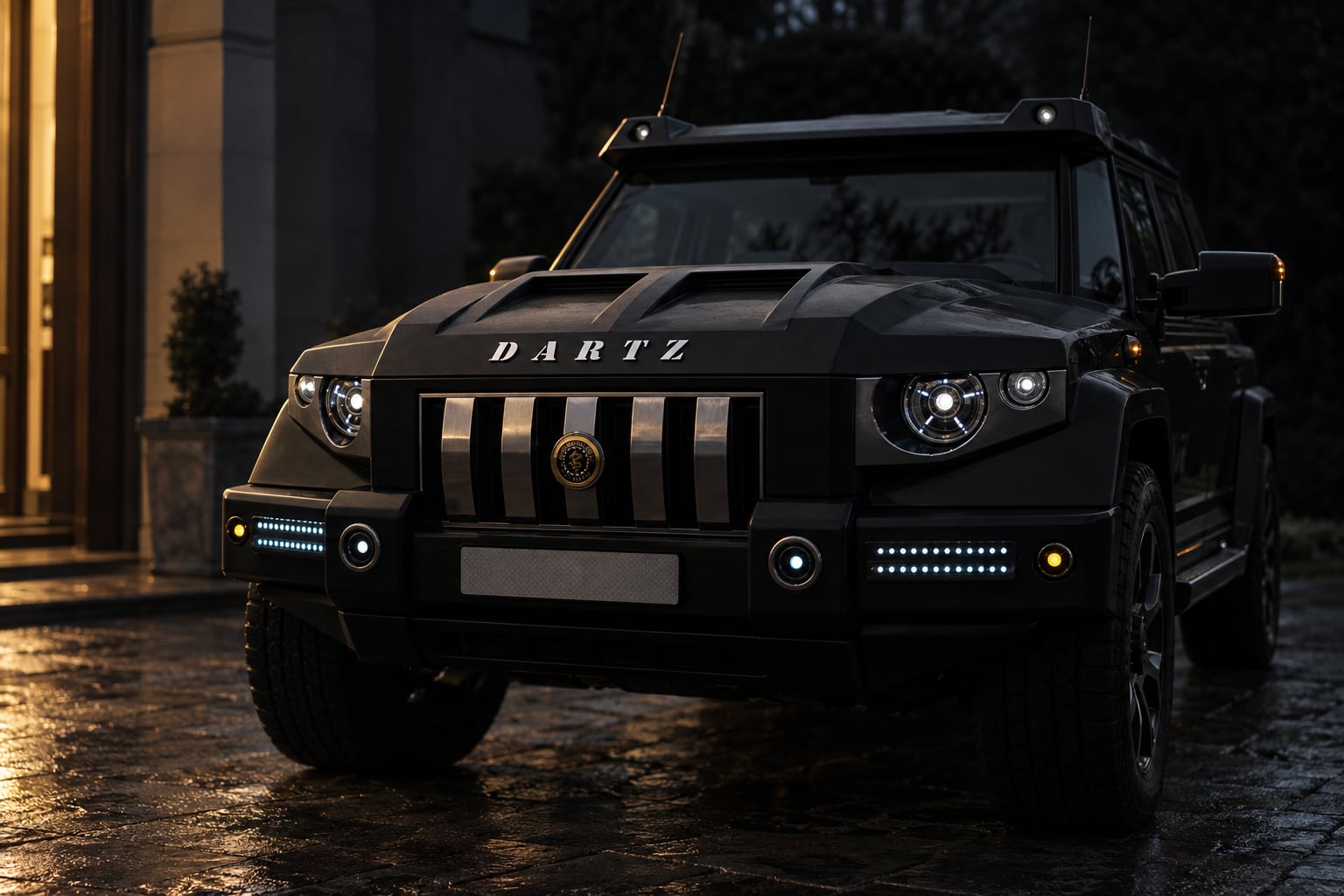 DARTZ PROMBRON' Black.DragonMade for China, 2012
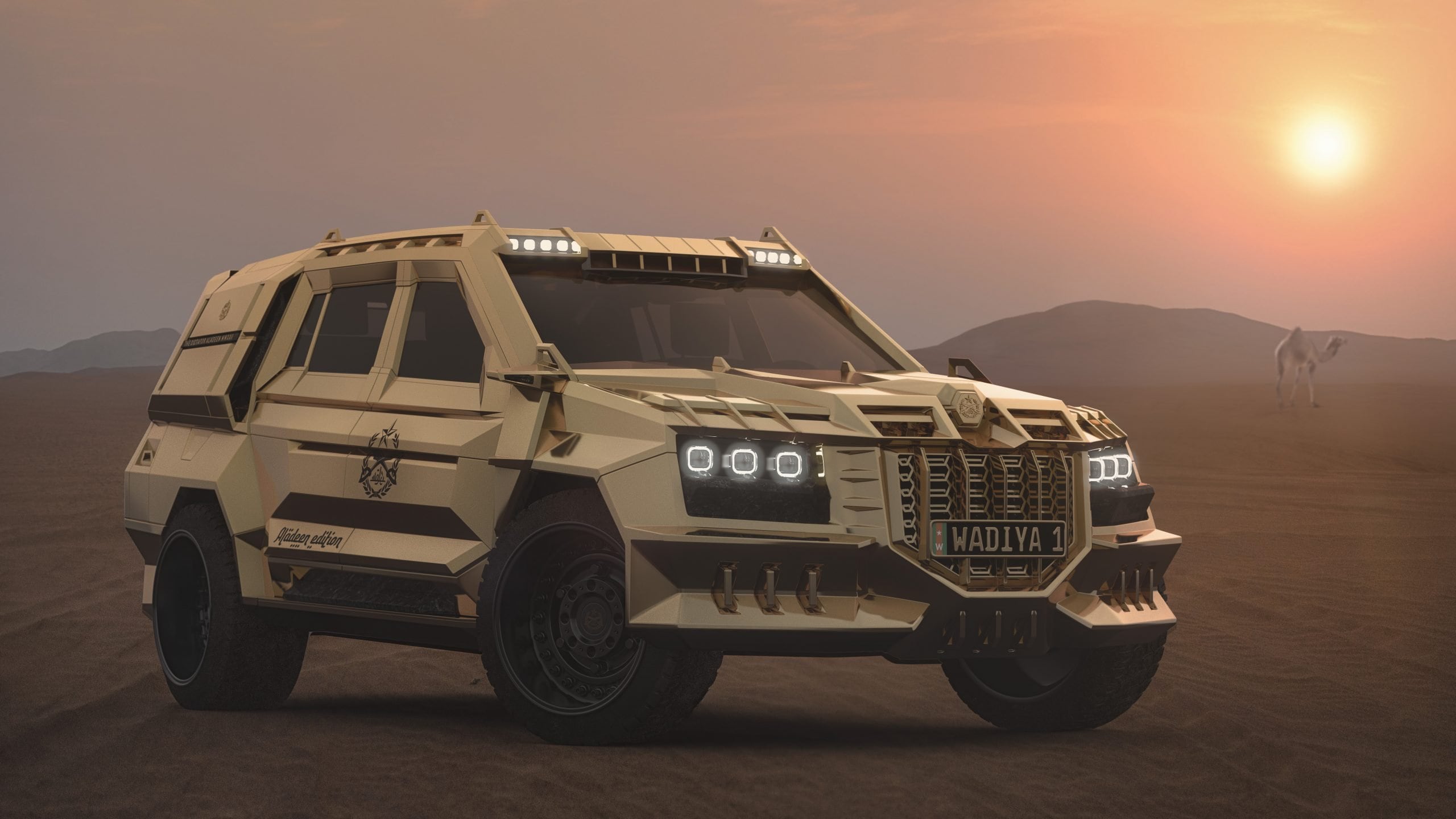 DARTZ PROMBRON' Aladeen (The DICTATOR)Built for The Dictator, 2012
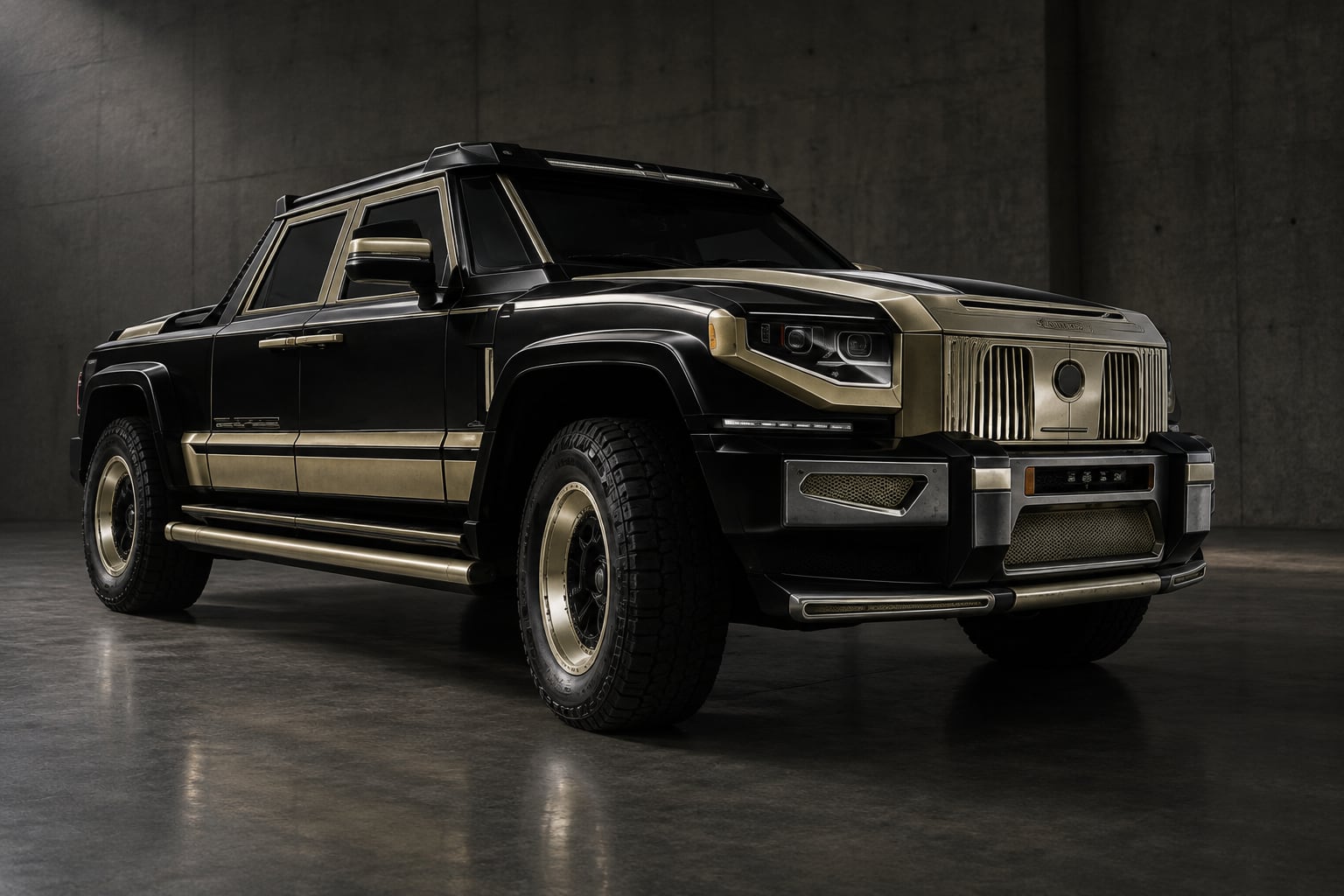 DARTZ Prombron' Black.Snake 2K13More expensive than Most Expensive
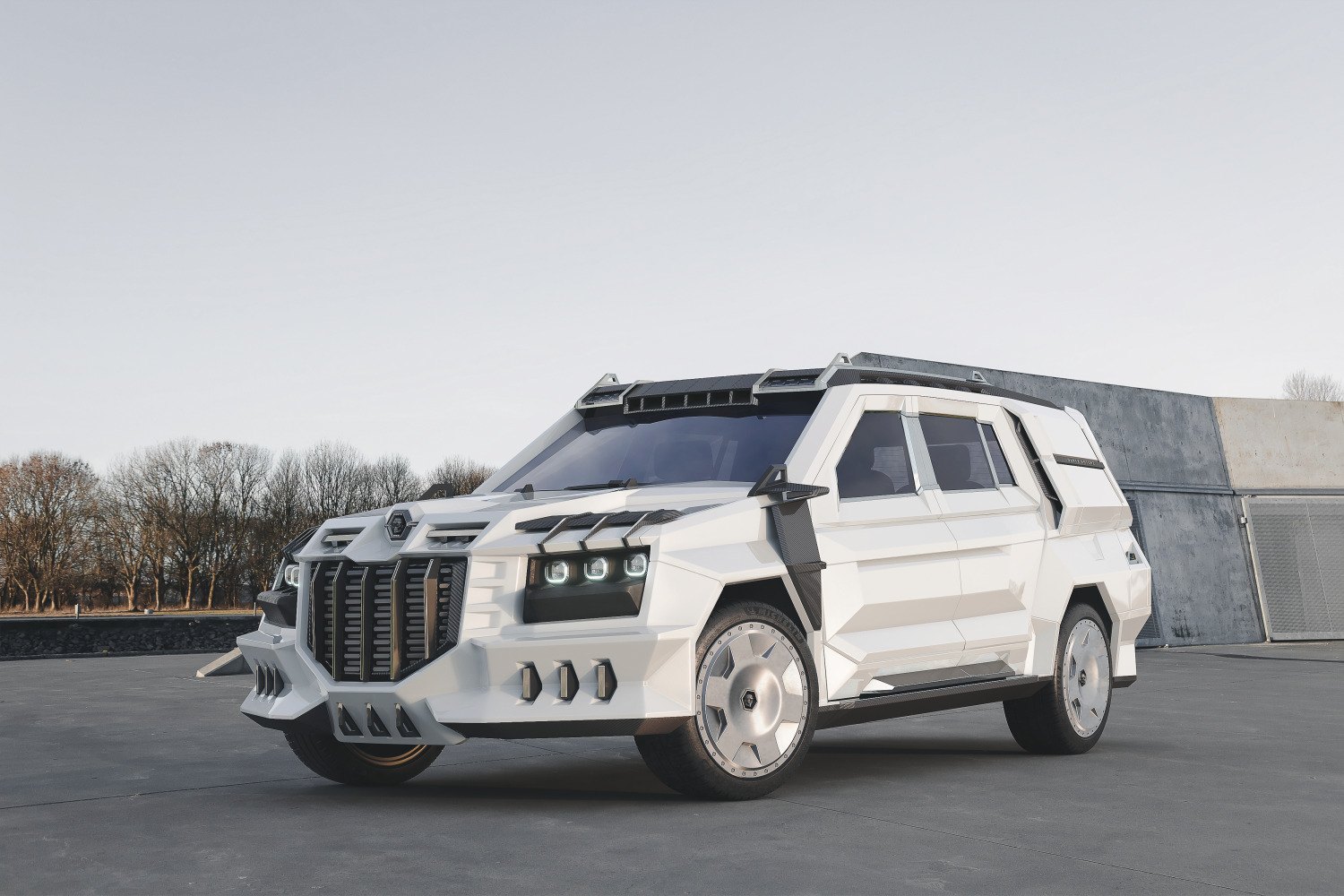 DARTZ Prombron' Black AlligatorMore Than The Most.
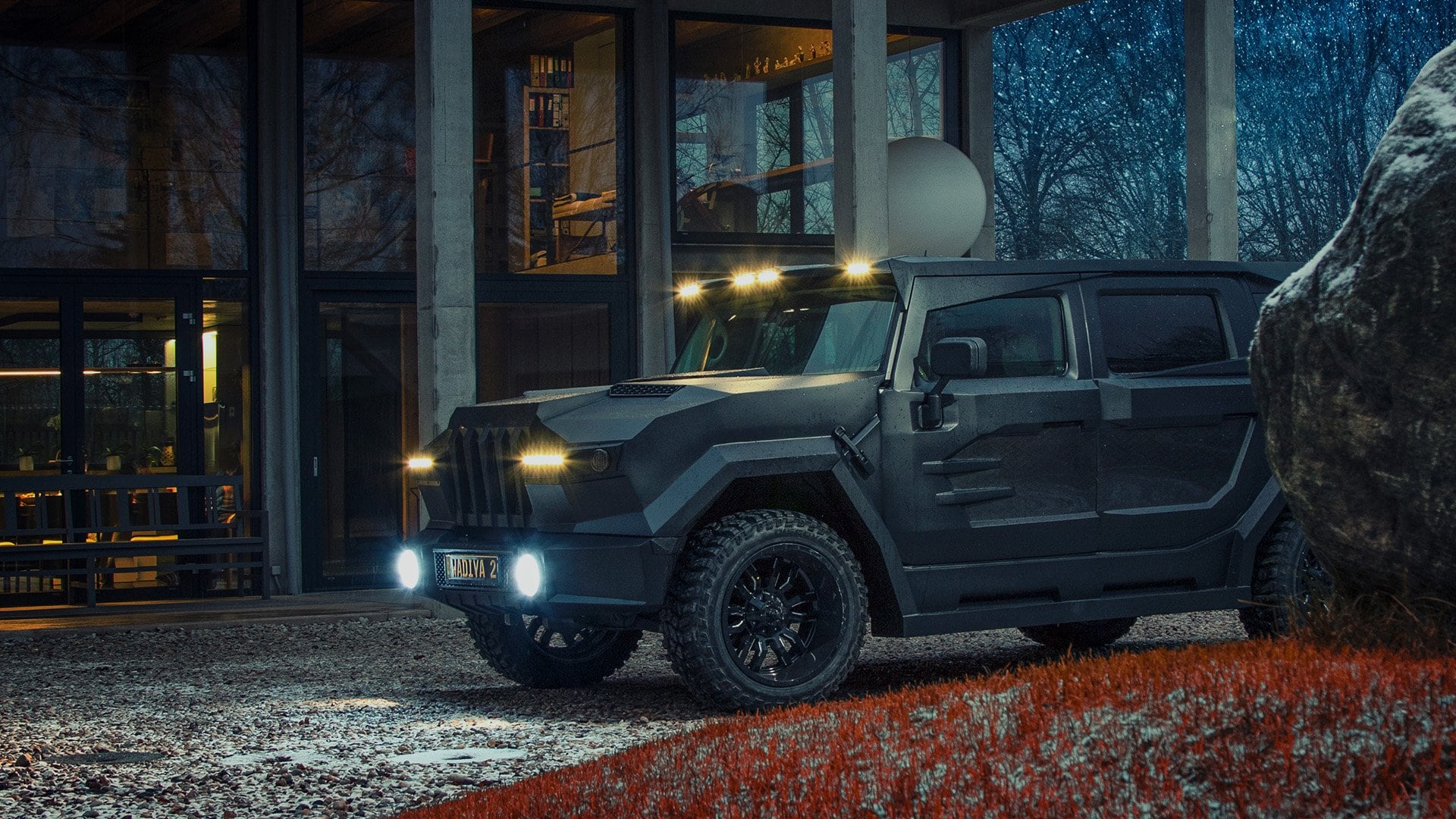 DARTZ Prombron' Black StallionBLACK STALLION
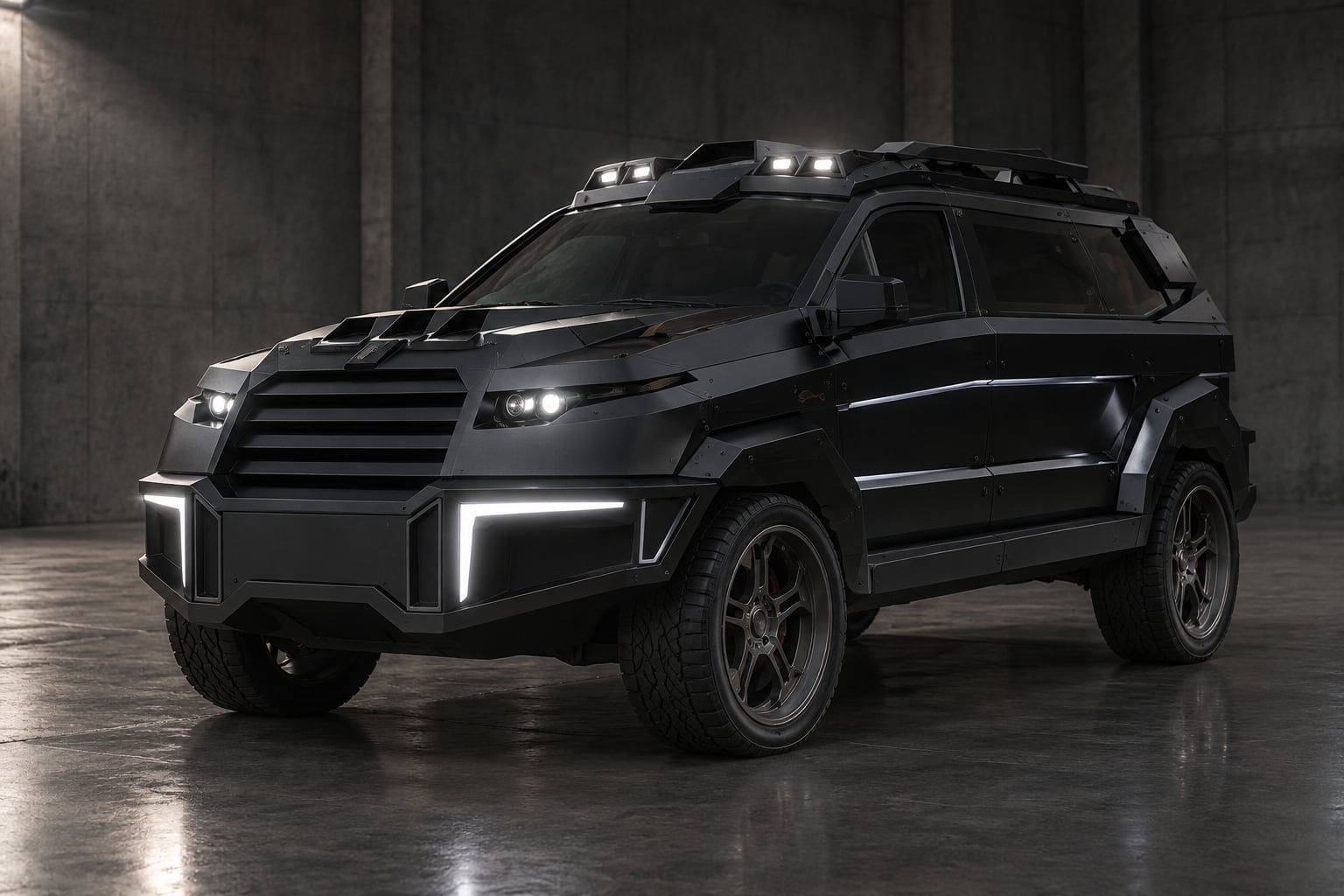 DARTZ PROMBRON' Black.SharkSpy.Grey 2K15
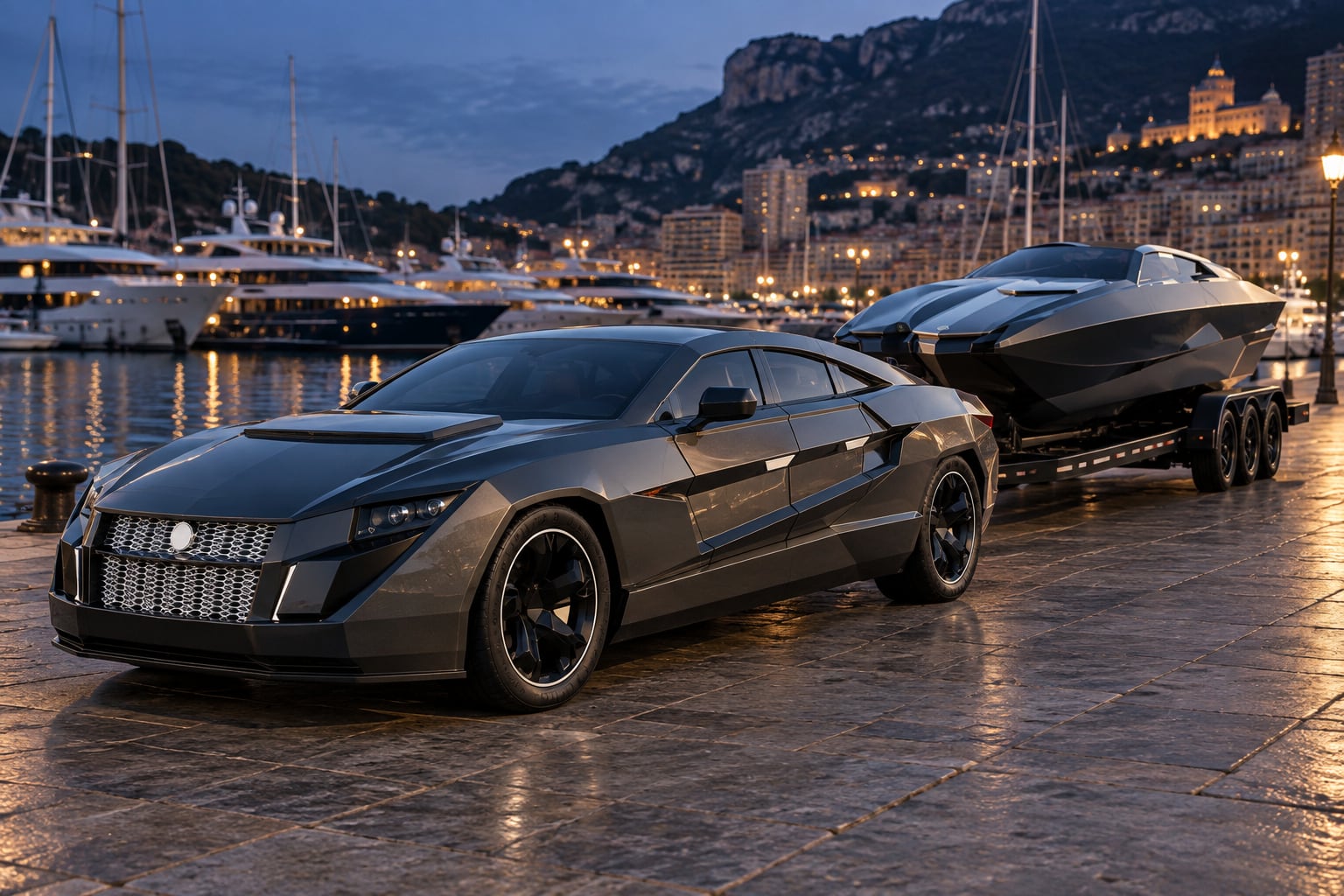 PAST MODELSNagel, Jo-Mojo, Kegresse, Shere Khan and more
Bulletproof opulence since 1869
DARTZ sells direct: no dealers, no intermediaries. Every enquiry is handled in confidence.
Explore the collection