
Heritage
Igor Sikorsky at the Russo-Baltic Works: The First Four-Engine Plane
Igor Sikorsky joined the Russo-Baltic Wagon Factory, RBVZ, as an aviation engineer in 1911 and became head of its Aeronautical Department in 1912, aged 23. There he built the Russky Vityaz, the world's first four-engine aircraft, which first flew in 1913, and the Ilya Muromets heavy bomber. After 1917 he left for America and founded Sikorsky Aircraft. DARTZ, which descends from RBVZ, puts his face on its crest.
He is remembered as the father of the helicopter. Before that, he was a young engineer at a railway-carriage works, building aeroplanes bigger than anyone thought would fly.
1911: an engineer at RBVZ
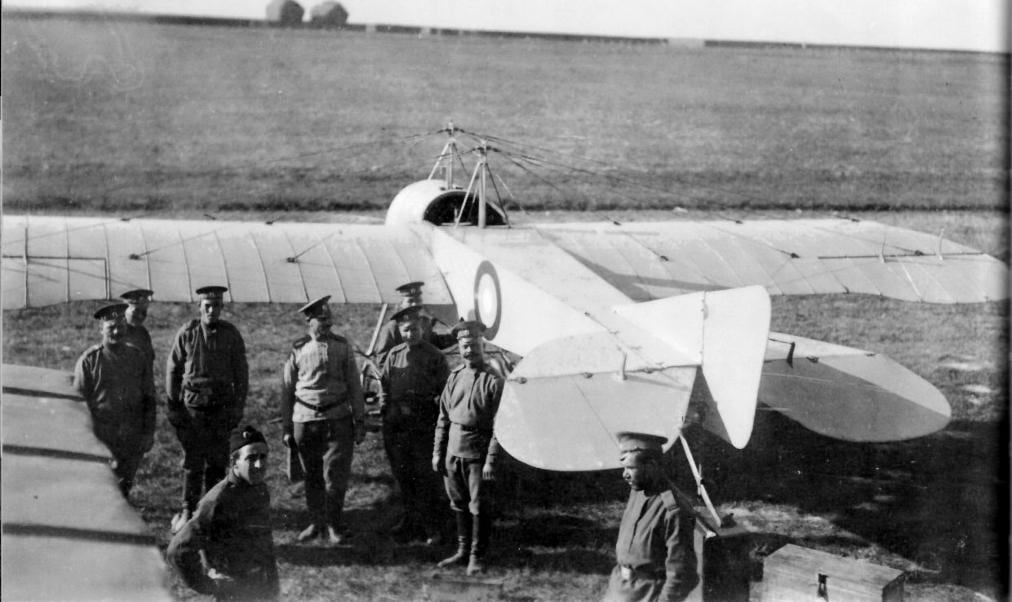
The Russo-Baltic Wagon Factory, RBVZ, began building aircraft in 1911, first French Sommer designs under licence. That year a young engineer from Kiev, Igor Sikorsky, joined its aviation department. In 1912 the works decided to create its own design bureau and made him its head. He was 23, and did not yet hold an engineering degree.
1913: the first four-engine aircraft
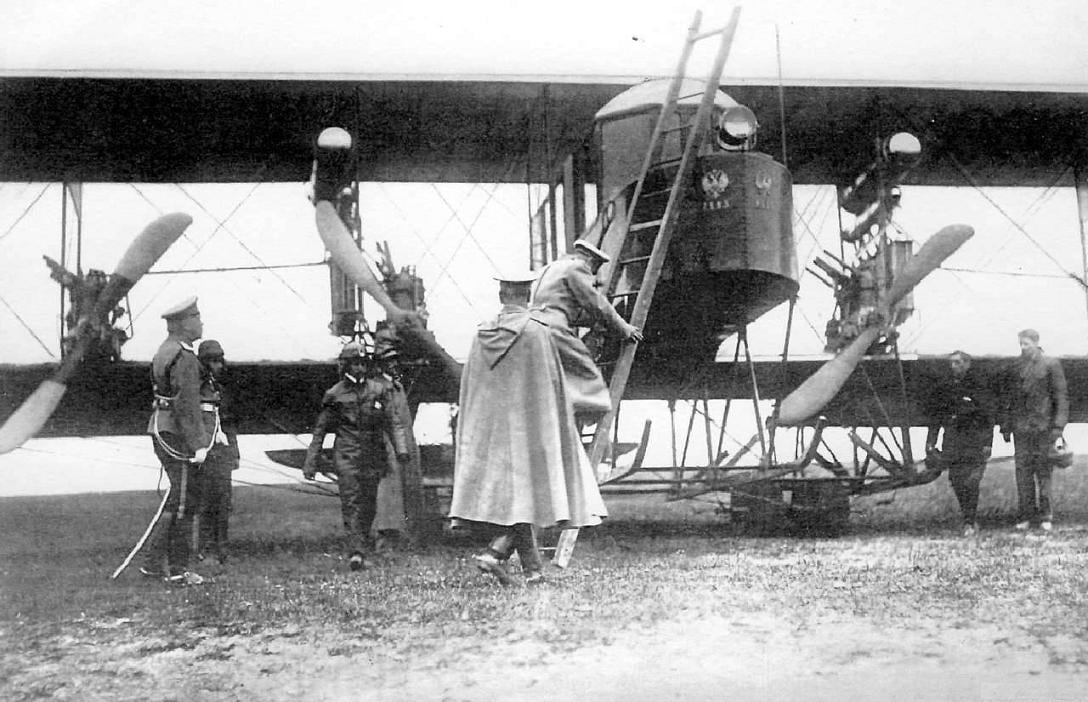
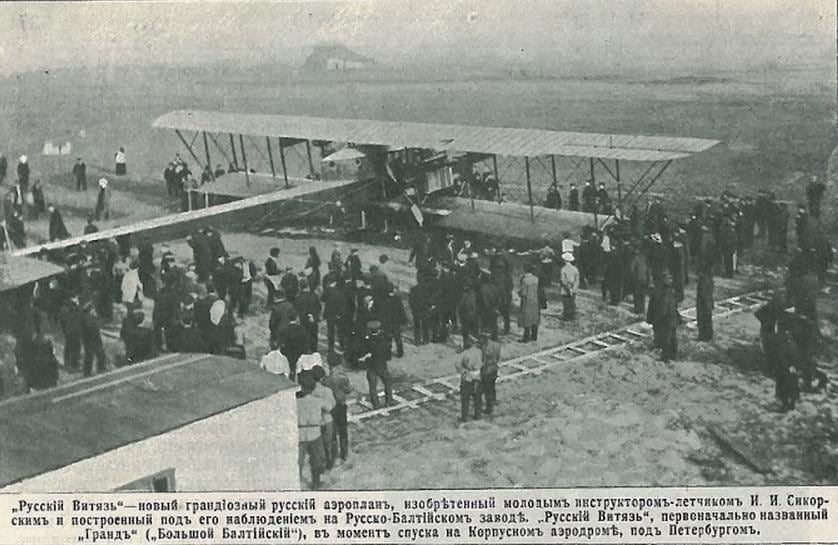
Sikorsky’s great idea was size. His Russky Vityaz, the Russian Knight, built at the Russo-Baltic works in early 1913, was the world’s first four-engine aircraft. It first flew in May 1913. At a time when aeroplanes rarely lifted more than 500 kg, it was a sensation, and Emperor Nicholas II came to see it.
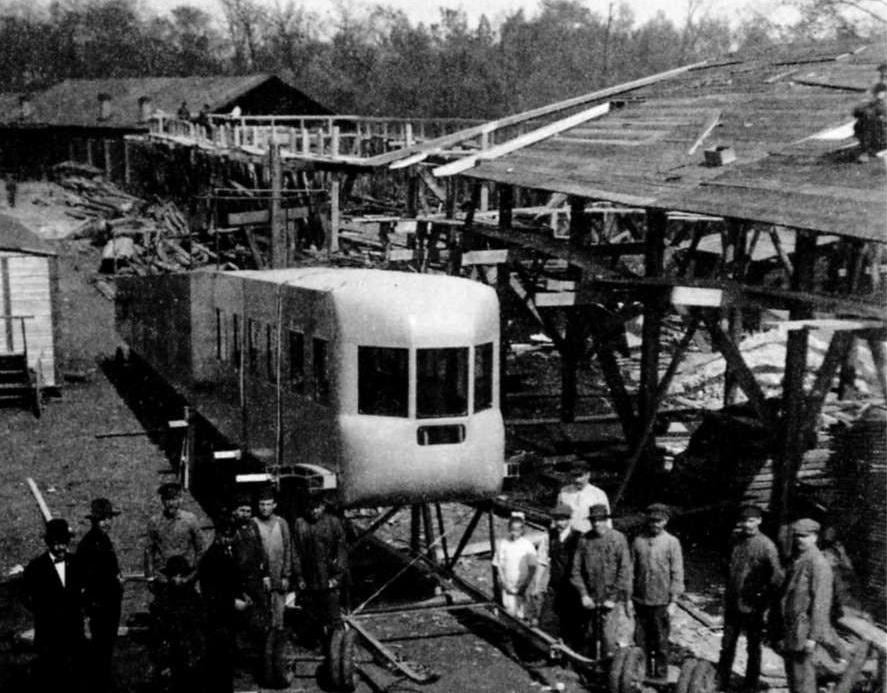
It led to the Ilya Muromets, built at the works from 1913: a long-range reconnaissance aircraft and heavy bomber with a heated cabin. On 23 December 1914 the Tsar sanctioned a squadron of heavy aircraft, the first of its kind. In 1915 Sikorsky added the S-16, an escort fighter to defend the bombers.
1917: leaving for America
After the revolution of 1917, a former colleague warned Sikorsky that he had seen an order for his execution. He left Russia, and in America he founded Sikorsky Aircraft, whose helicopters would carry names such as Sea Stallion and King Stallion.
His name at DARTZ
DARTZ descends from the Russo-Baltic works, and it keeps Sikorsky close.
- The crest. The winged skull at the centre of the DARTZ crest carries two faces: Igor Sikorsky, the pilot, and André Nágel, the racer. DARTZ calls it the Spirit of Victors.
- The names. The Black Shark, the Black Alligator and the Black Stallion form DARTZ’s helicopter series of names, in Sikorsky’s honour.
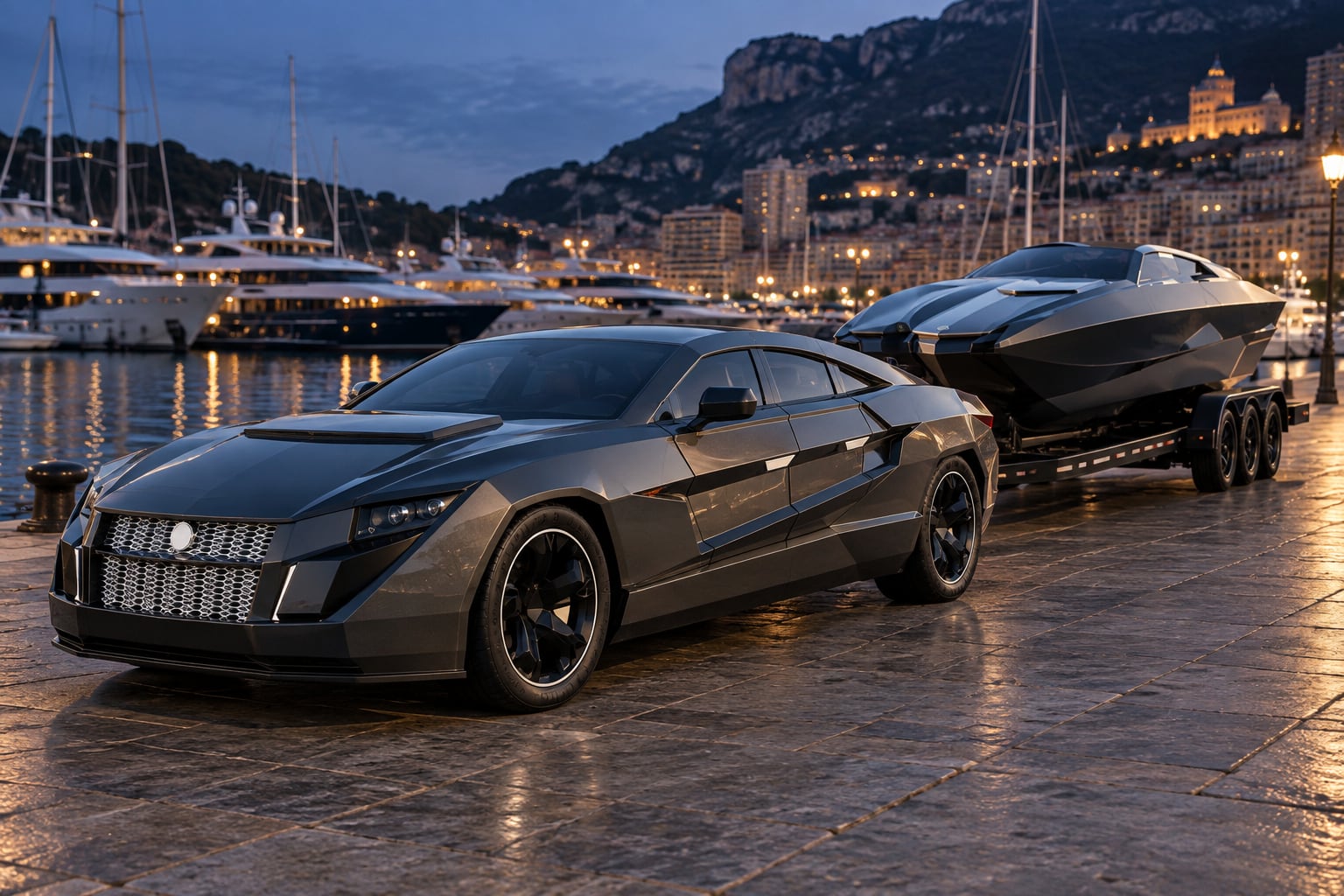
- The grille. The Picassian Sliced grille of the Black Stallion CLV has Sikorsky’s profile worked into it.
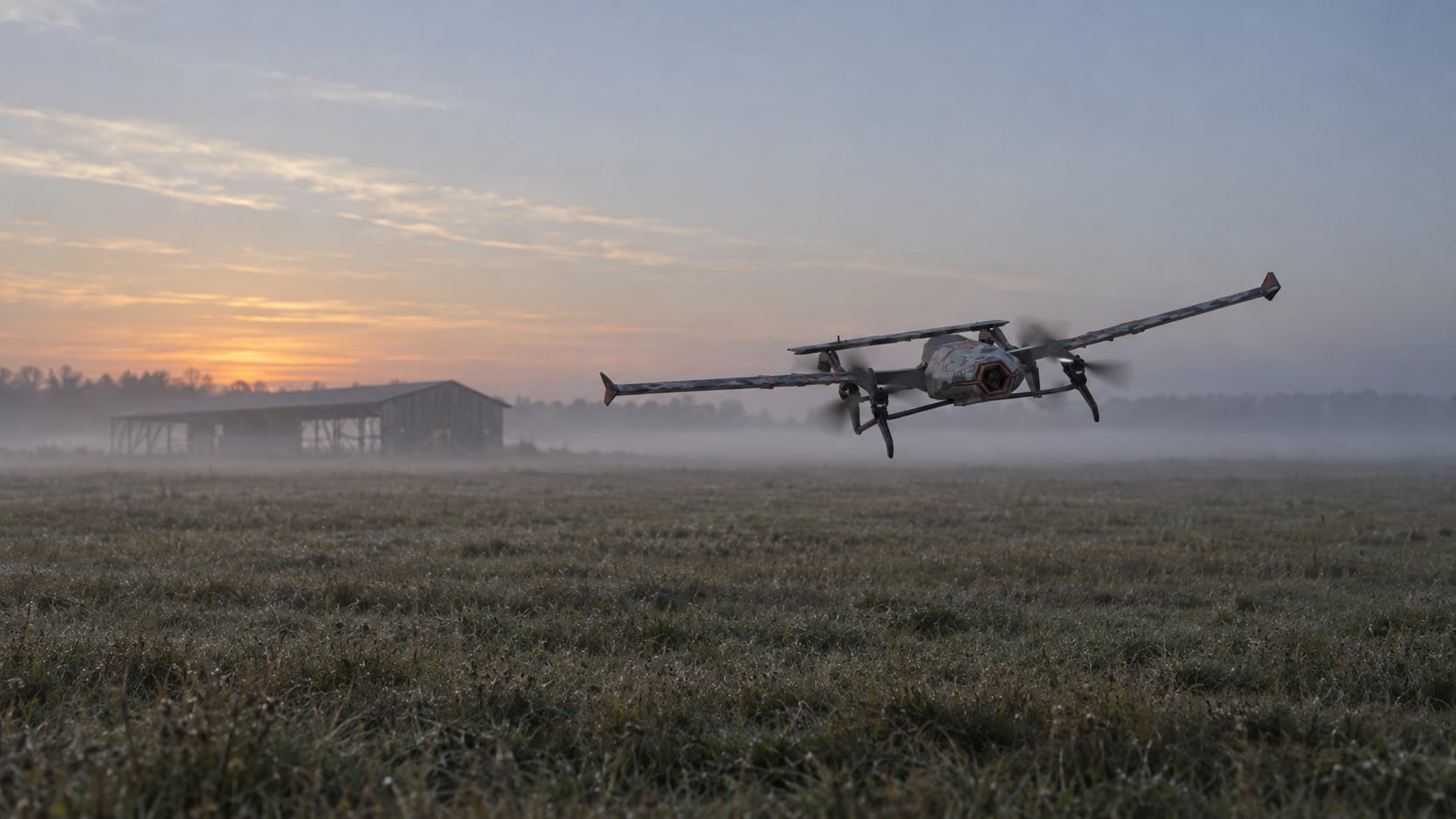
- The Aeronautical Department. DARTZ relaunched it in Riga in 2020. Its PromDrone Black Bee followed, then the DARTZ Drone Protection Standard.
About DARTZ
DARTZ is a Riga carrosserie that builds bespoke, opulent vehicles, armoured or non-armoured, in strictly limited numbers. It calls them BONDs: Bespoke Opulent Noble Drives.
Its heritage runs back to the Russo-Baltic Wagon Factory (RBVZ), founded in Riga in 1869, whose automobile department built its first car in 1909. Leonard F. Yankelovich revived that heritage as DARTZ in 1988. The group, DARTZ Grupa OÜ, is registered in Tallinn, Estonia.
Its Prombron’ models, from the Iron Diamond and Black Dragon to the Black Shark, Black Alligator and Black Stallion, have been covered by Top Gear, Forbes, Robb Report and Fox News, among many others.
Questions we are asked
Did Igor Sikorsky work for the Russo-Baltic works?
Yes. He joined RBVZ as an aviation engineer in 1911 and became head of its Aeronautical Department in 1912, at 23.
What was the Russky Vityaz?
The world's first four-engine aircraft, designed by Sikorsky and built at the Russo-Baltic works. It first flew in 1913.
What was the Ilya Muromets?
Sikorsky's four-engine heavy aircraft that followed the Russky Vityaz, built at the Russo-Baltic works from 1913 and used in the First World War.
Why does DARTZ honour Sikorsky?
DARTZ descends from the Russo-Baltic works. Sikorsky's face, with André Nágel's, forms its crest, and its Black Shark, Black Alligator and Black Stallion carry helicopter names in his honour.
Does DARTZ still have an Aeronautical Department?
Yes. DARTZ relaunched it in Riga in 2020. Its work includes the PromDrone Black Bee and the DARTZ Drone Protection Standard.
EXPLORE THE COLLECTION
DARTZ MODELS
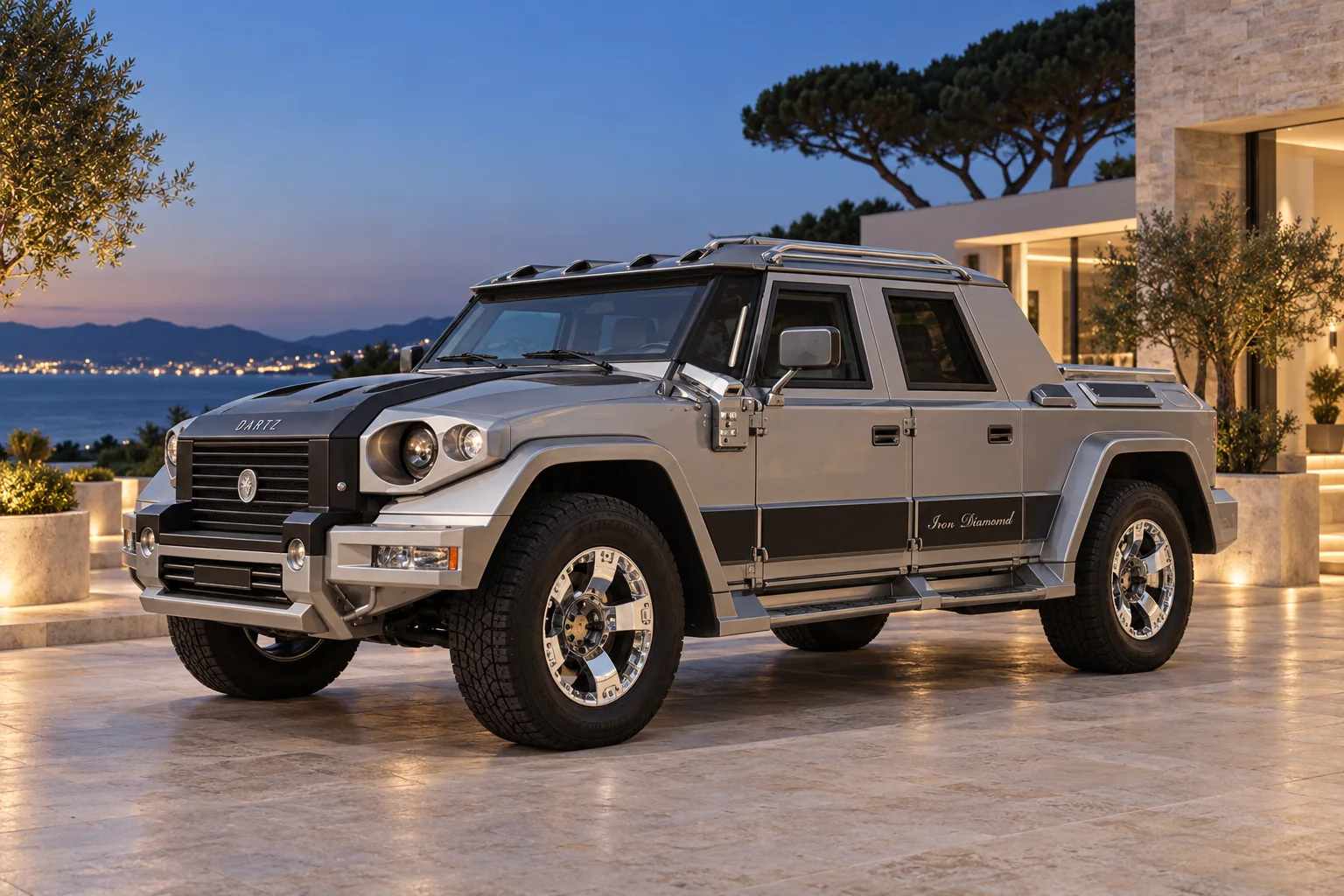 DARTZ PROMBRON' Iron.DiamondIron.Diamond 3-door Kapsula Kupe
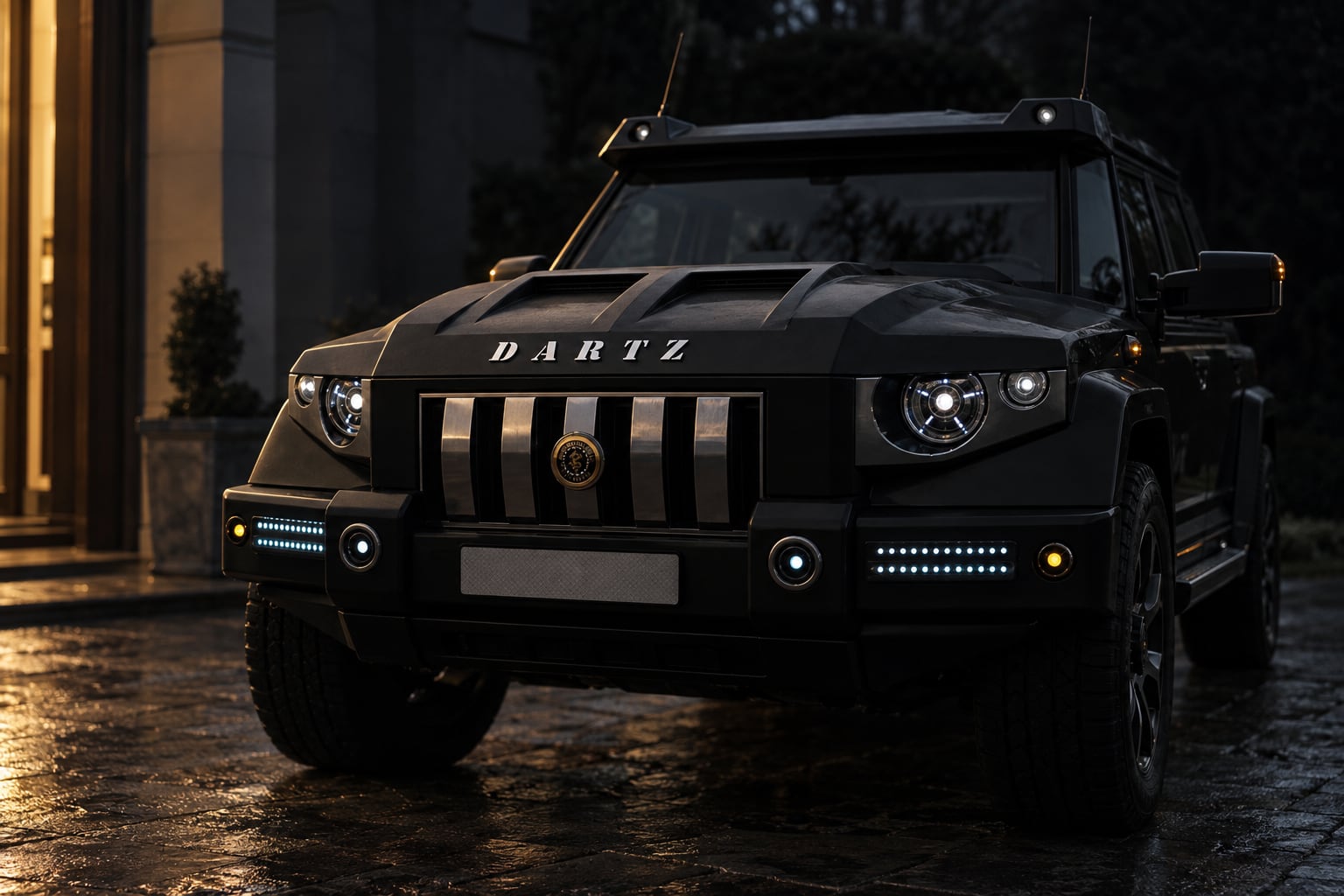 DARTZ PROMBRON' Black.DragonMade for China, 2012
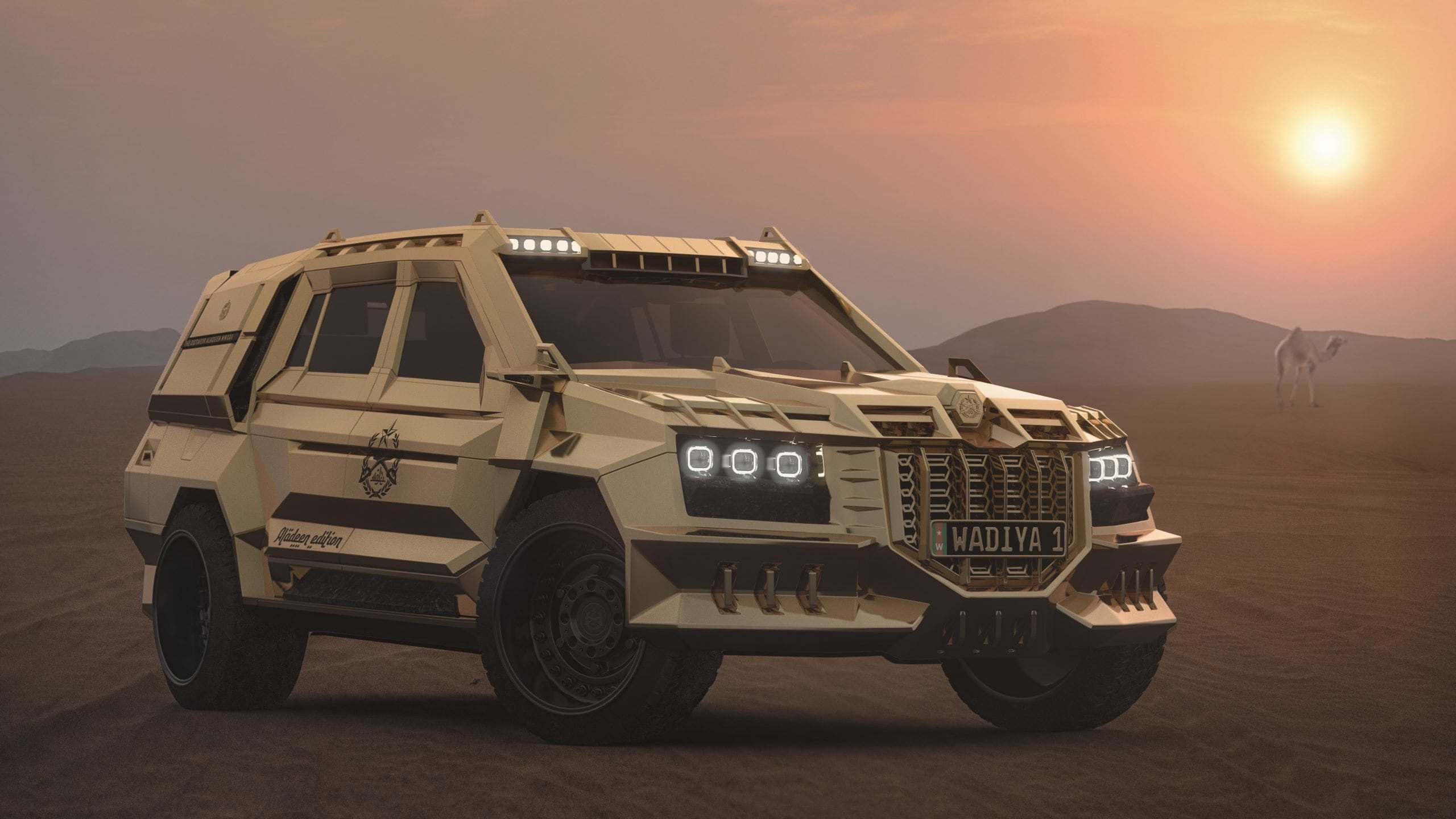 DARTZ PROMBRON' Aladeen (The DICTATOR)Built for The Dictator, 2012
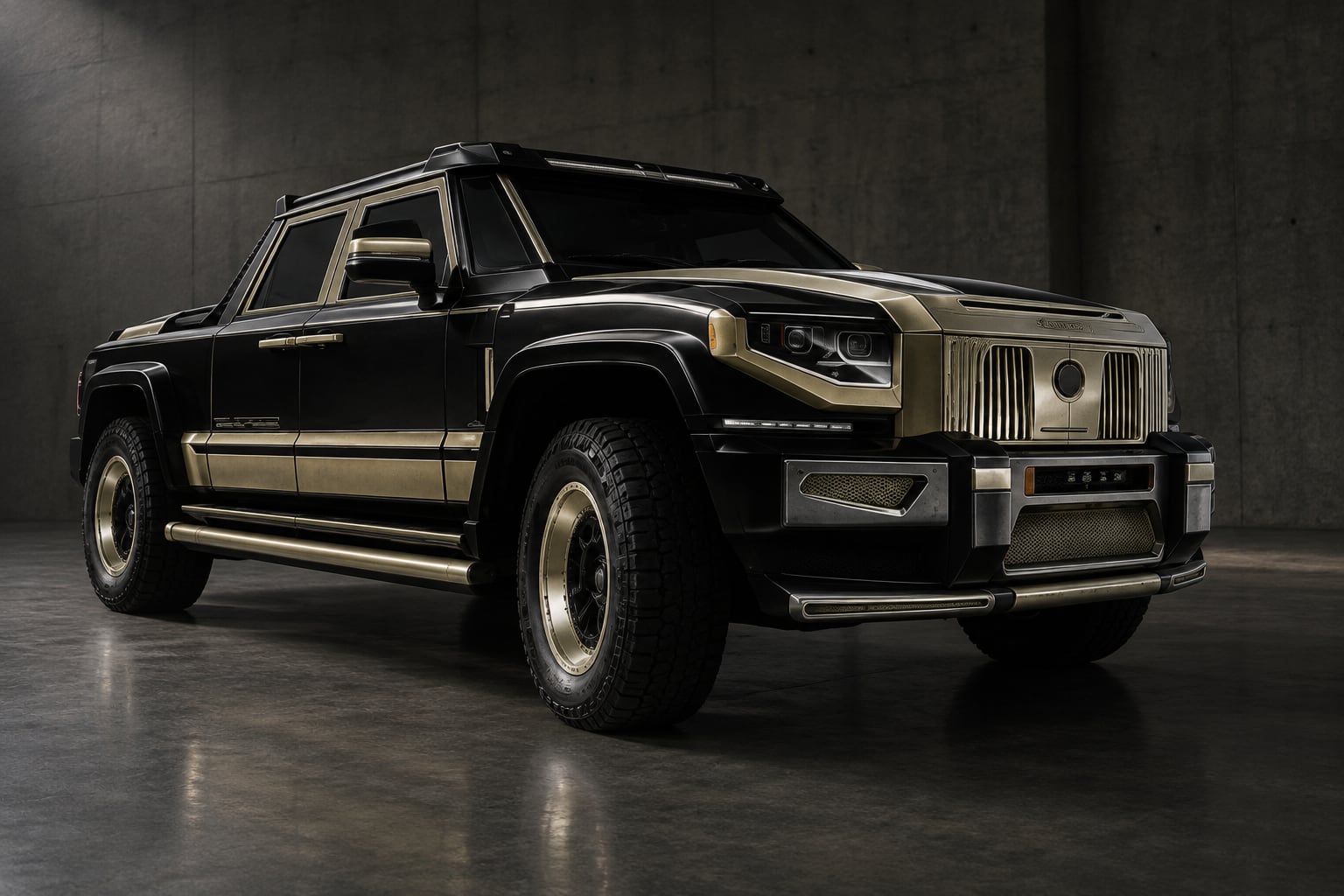 DARTZ Prombron' Black.Snake 2K13More expensive than Most Expensive
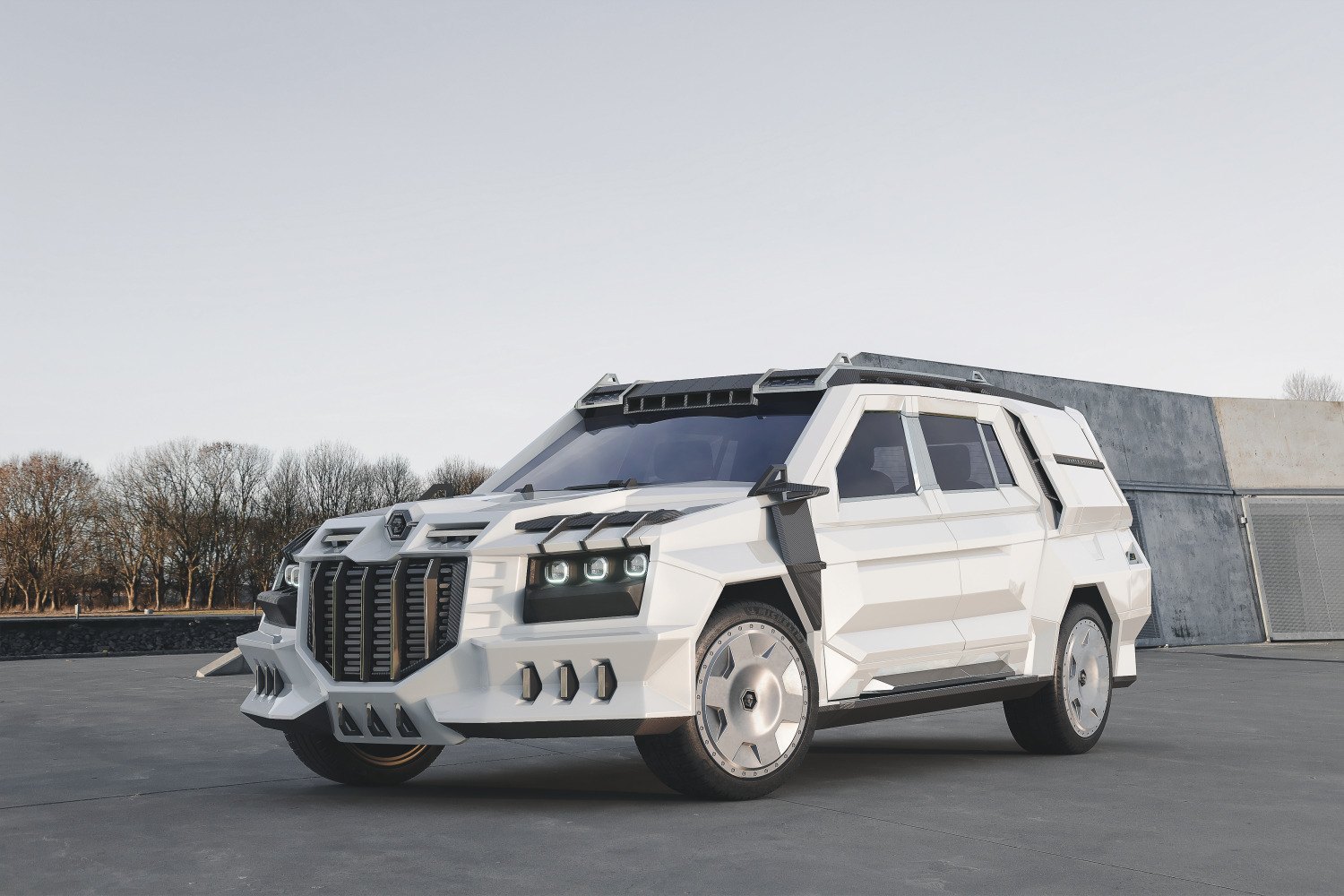 DARTZ Prombron' Black AlligatorMore Than The Most.
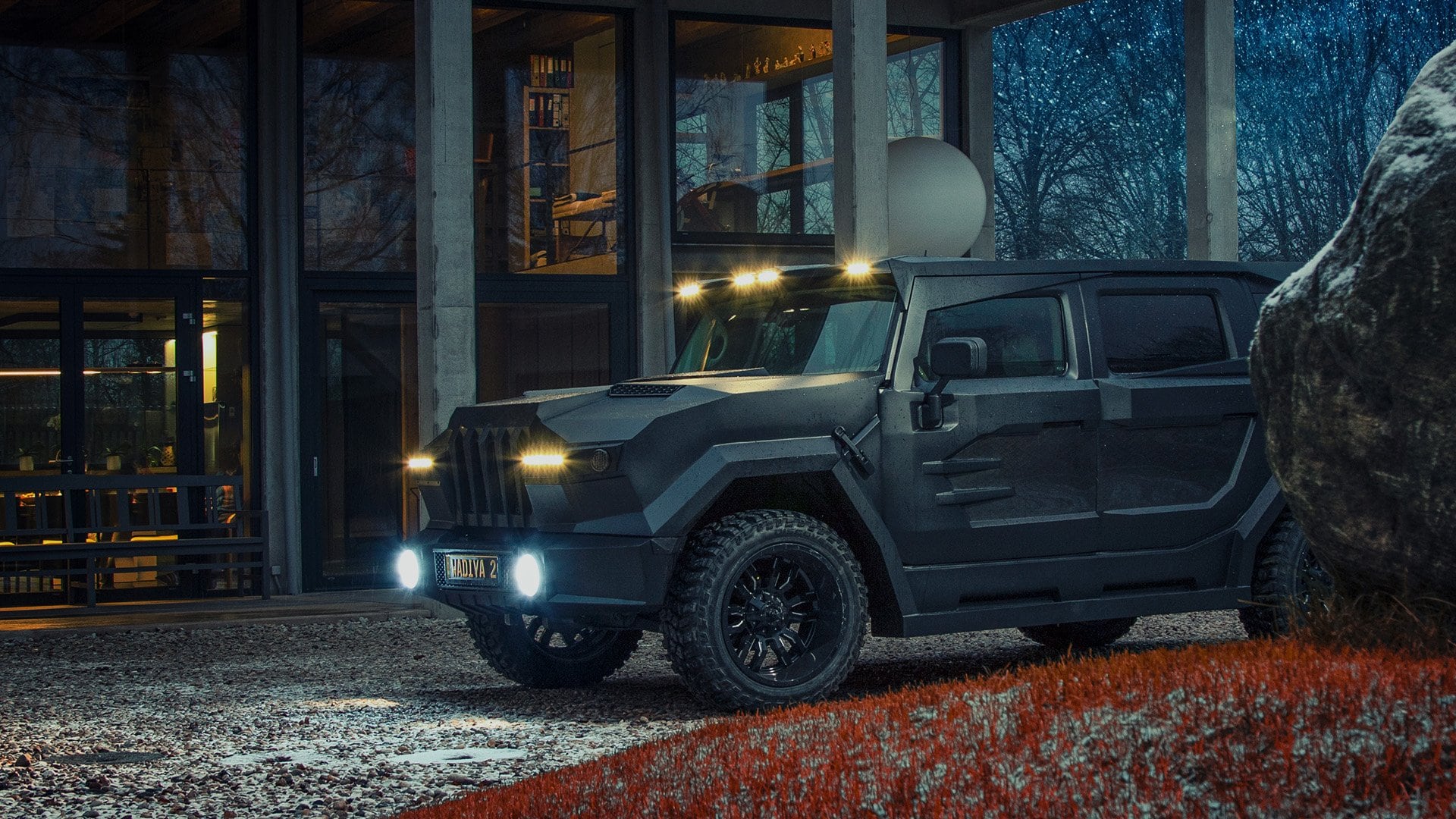 DARTZ Prombron' Black StallionBLACK STALLION
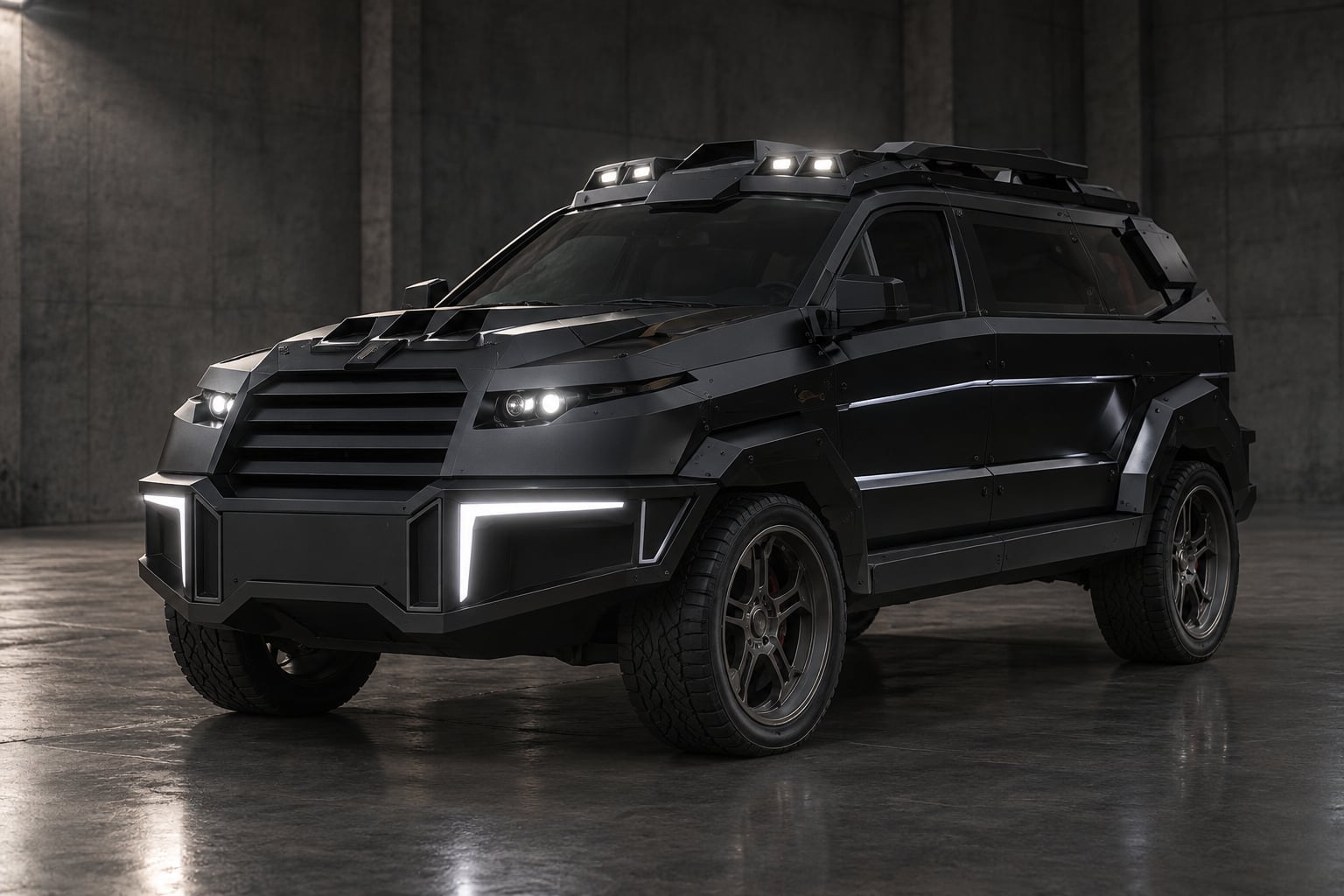 DARTZ PROMBRON' Black.SharkSpy.Grey 2K15
 PAST MODELSNagel, Jo-Mojo, Kegresse, Shere Khan and more
Bulletproof opulence since 1869
DARTZ sells direct: no dealers, no intermediaries. Every enquiry is handled in confidence.
Explore the collection