HISTORY OF DARTZ – BTAZ – RBVZ
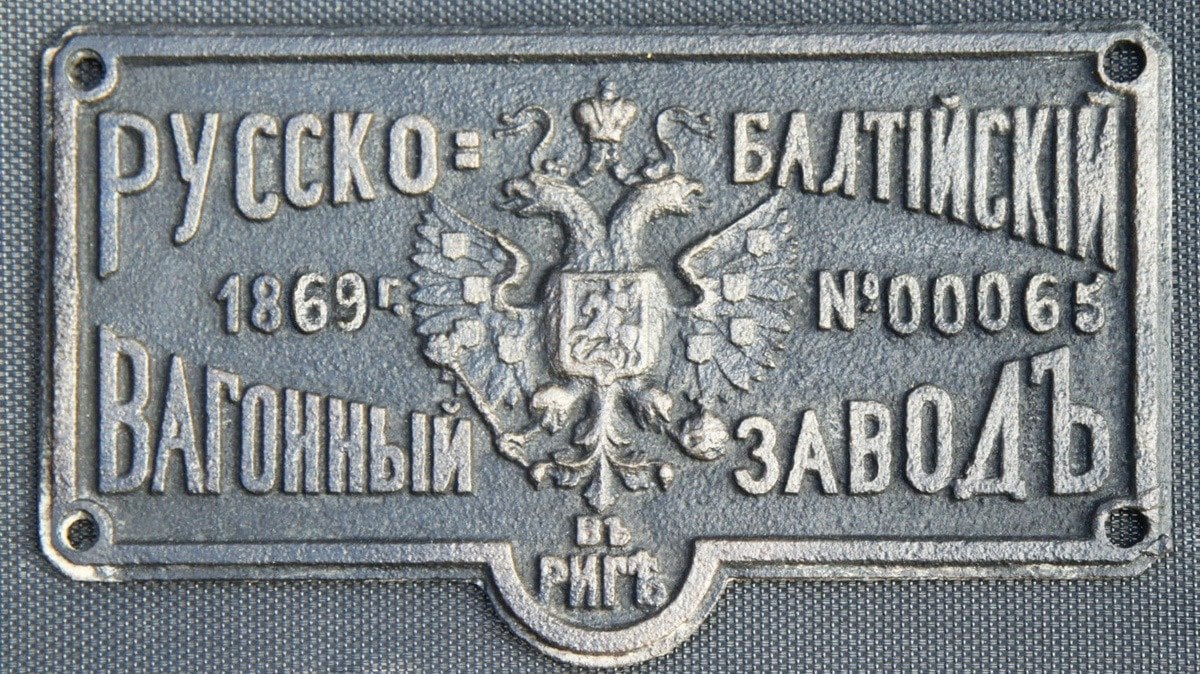
1869
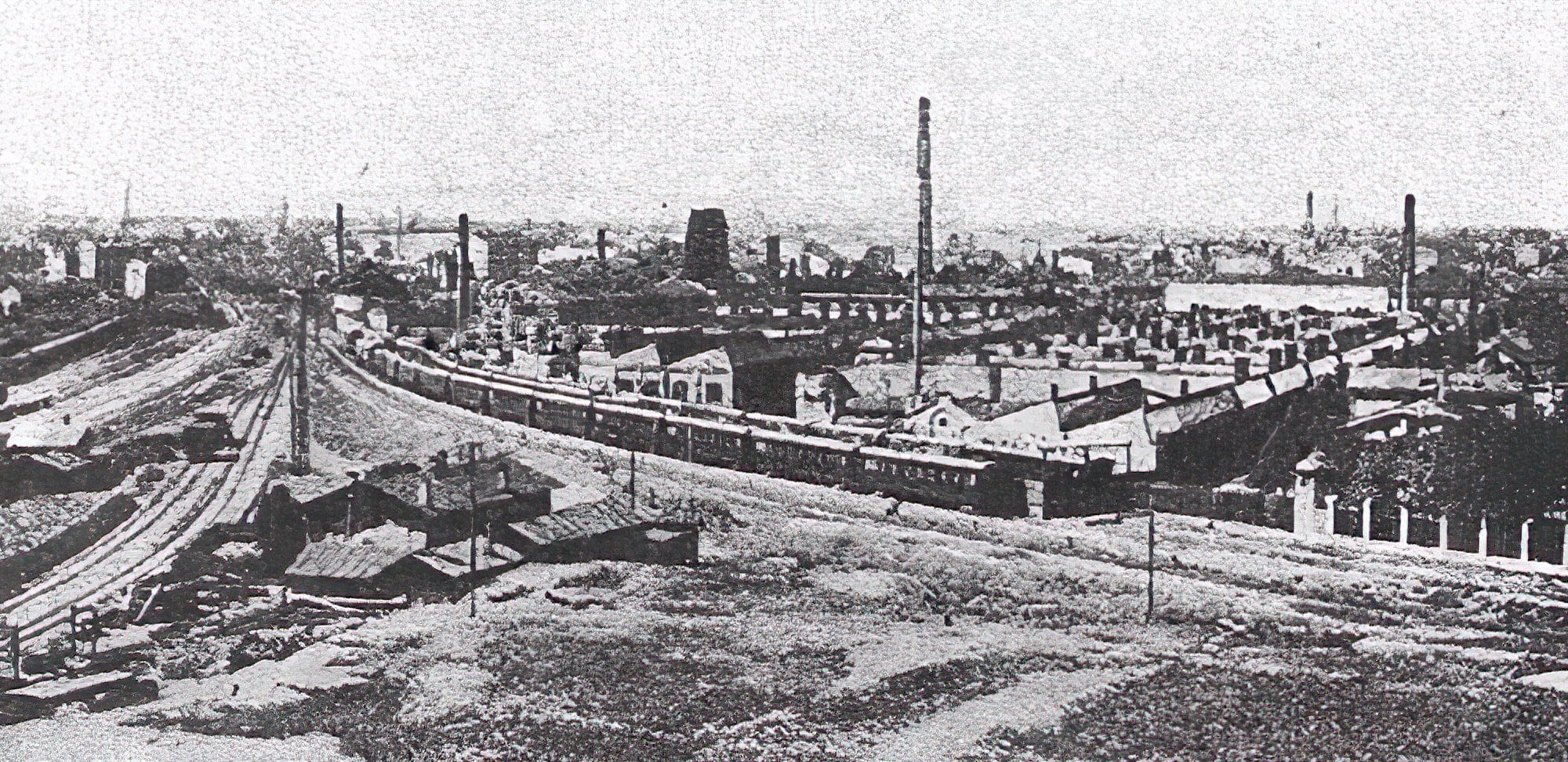
The Russo-Baltic Wagon Factory (German: Russisch-Baltische Waggonfabrik; Russian: Русско-Балтийский вагонный завод, RBVZ) was founded in 1869 in Riga, then a major industrial centre of Russian Empire. Originally the new company was a subsidiary of the Van der Zypen & Charlier company in Cologne-Deutz, Germany.
Ancestors of Current Owner
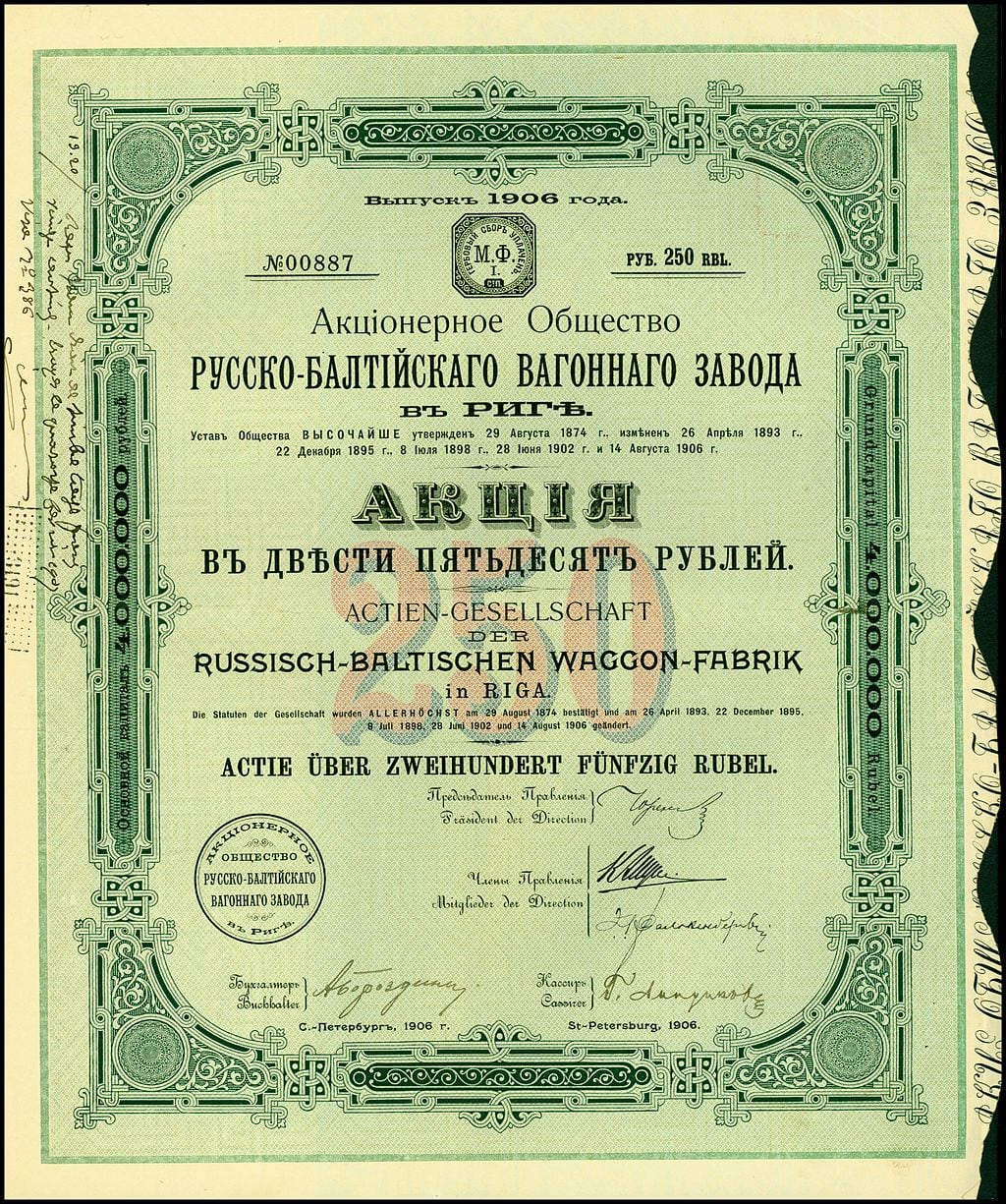
1874
The Russo-Baltic Wagon Factory (German: Russisch-Baltische Waggonfabrik; Russian: Русско-Балтийский вагонный завод, RBVZ) became Joint Stock Company
Opulent Wagon for the Tzar
1894
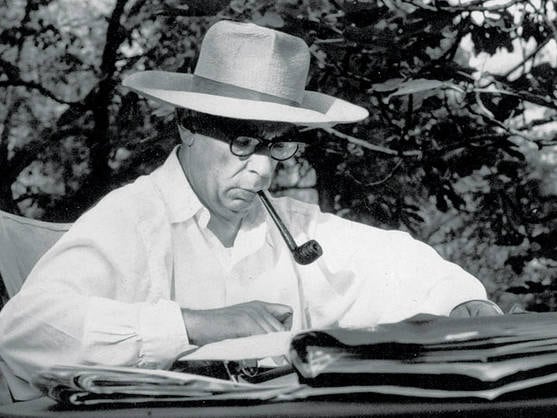
In 1894 the majority of its shares were sold to investors in Riga and St. Petersburg, among them local Baltic German merchants F. Meyer, K. Amelung, and Chr. Schroeder, as well as Schaje Berlin, a relative of Isaiah Berlin. The company eventually grew to 3,800 employees
Isaiah Berlin
1907 – Decision to Build Cars
1908
In 1908, an automobile department was established in Riga. Director – Ivan Alexandrovich Fryazinovsky.
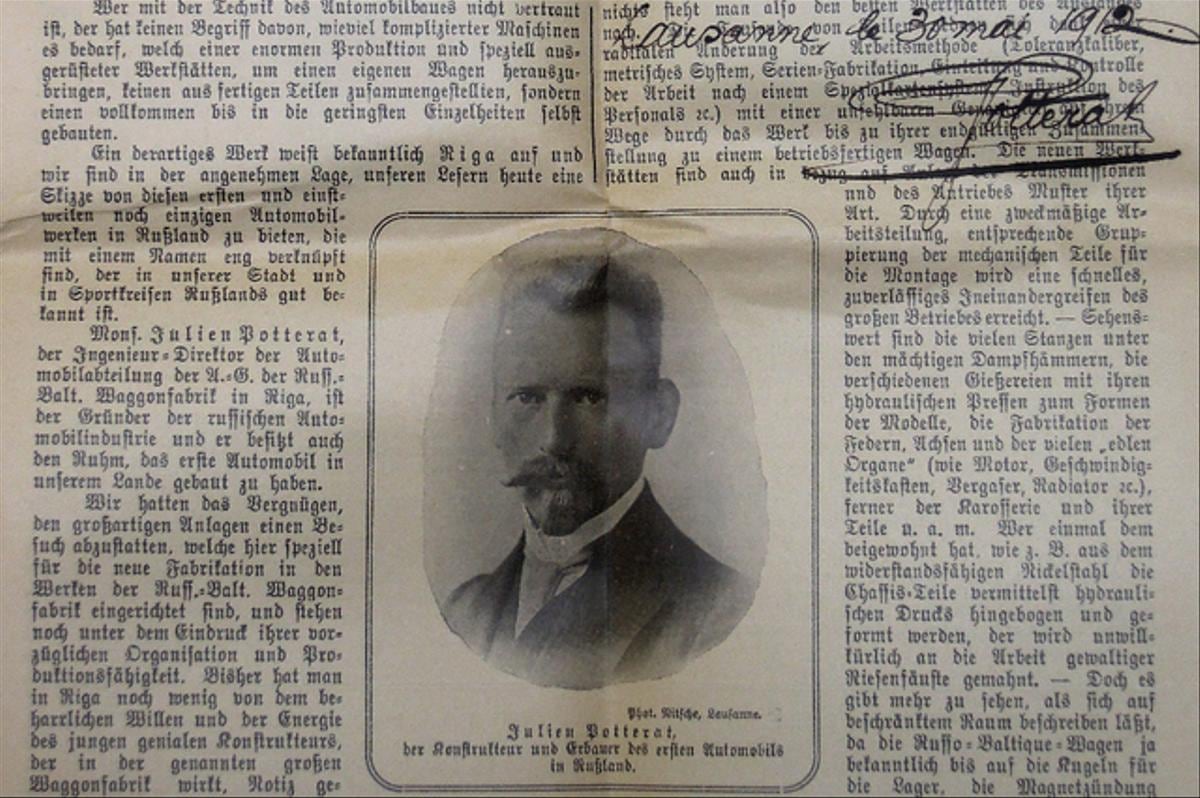
26-year-old Julien Potterat, who had previously worked for the Belgian firm Fondu, was invited to the post of chief designer.
Fondue cars became the prototype of the first Russo-Balts.
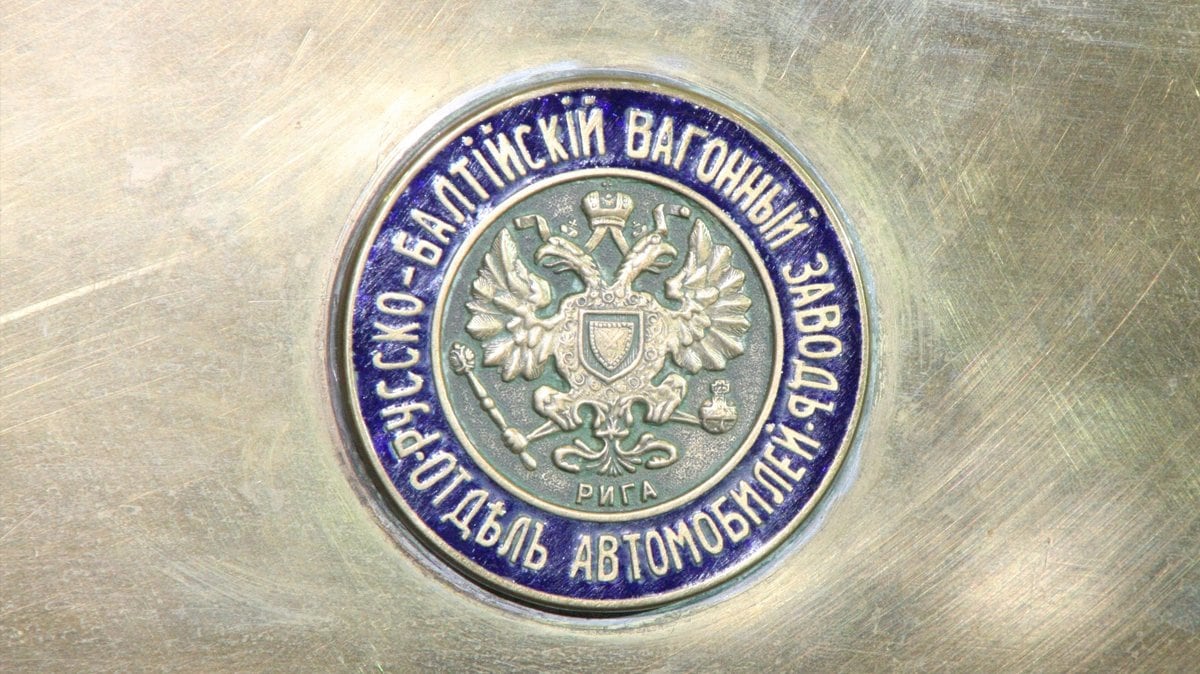
As at the beginning there were no exact department name in documents was used abbreviation from French words Département Automobile de Riga or D.A.R. which later became part of modern DARTZ name.
Actually, from the very beginning, the cars were produced under the name “Russian-Baltic”. The name Russo-Balt was fixed due to the abbreviation of the name in French – Russo-Baltique (Russo-Baltic).
A portrait of Julien Potterat published on March 3, 1911 in the “Journal de Riga”. The newspaper bears his signature
1909 was built first car
1910
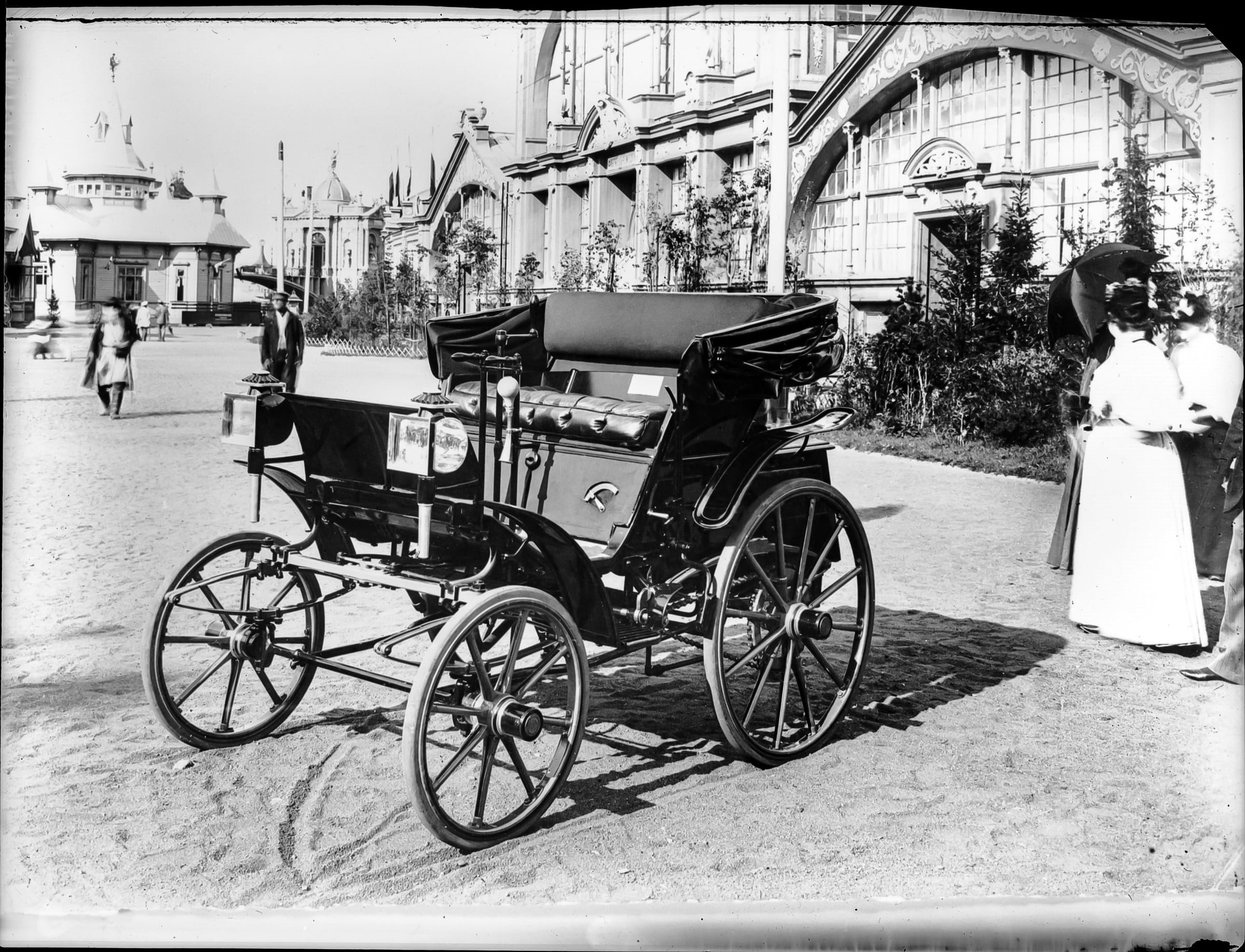
At the end of 1910, the joint-stock company RBVZ acquired the Frese and K Coachbuild Factory, a pioneering Russian automaker and one of the world’s first EV creator
EV car by Frese & Co (now FreZe EV) 1902