
Heritage
Russo-Balt: The Cars of the Russo-Baltic Wagon Factory, 1909 to 1915
Russo-Balt was the car brand of the Russo-Baltic Wagon Factory, RBVZ, in Riga. Its first car, the C24/30, was built in 1909 on a design derived from the Belgian Fondu, and about 625 cars left the Riga works by 1915, including the C and K series, trucks and a fire engine. From 1912 the works was a supplier to the imperial court, raced at Monte Carlo and built armoured cars. In 1915 production was evacuated east.
Before DARTZ, Riga had a carmaker of its own. Its cars went to the imperial court, to Monte Carlo and to war.
1907: a carriage works decides to build cars
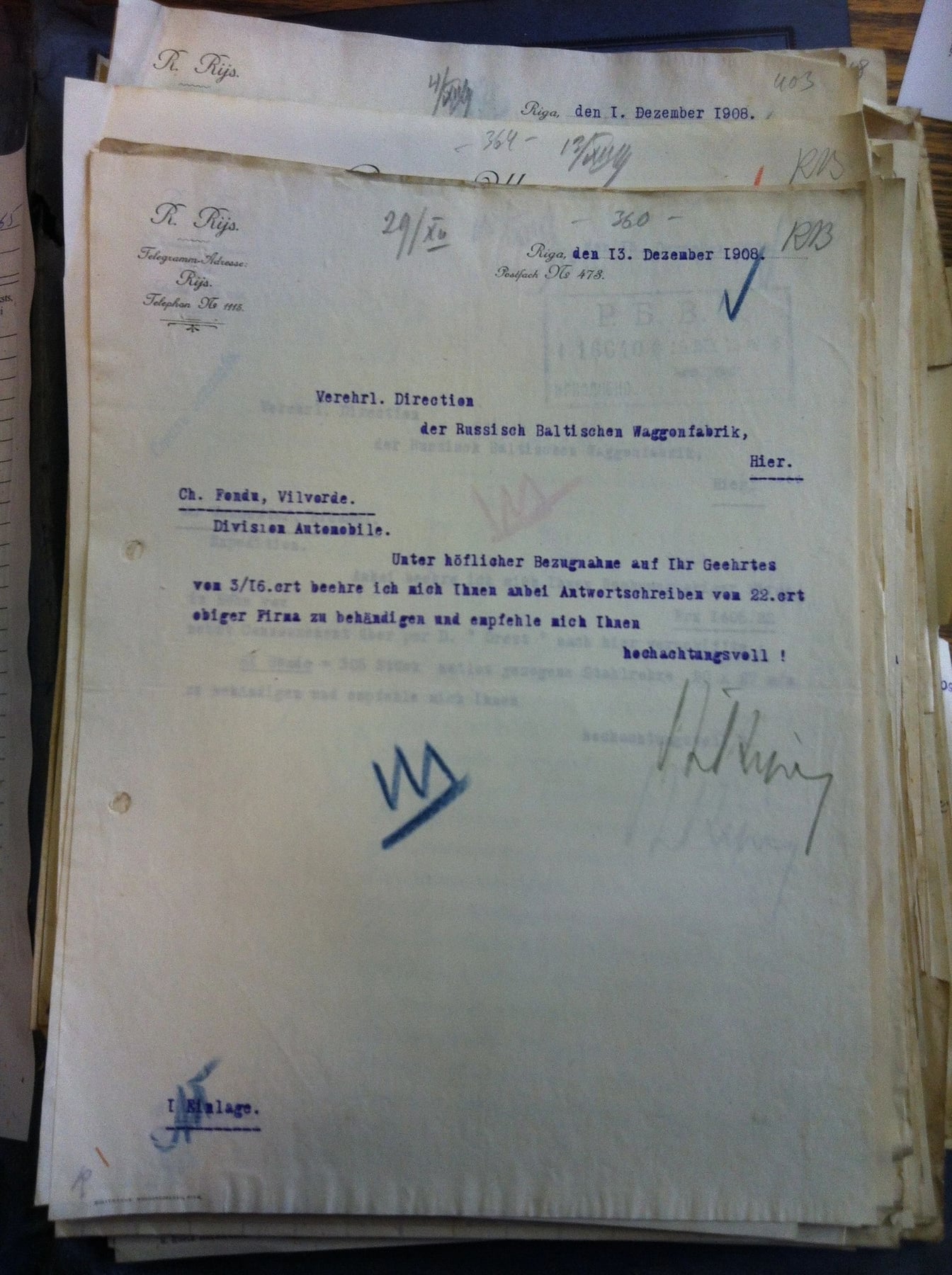
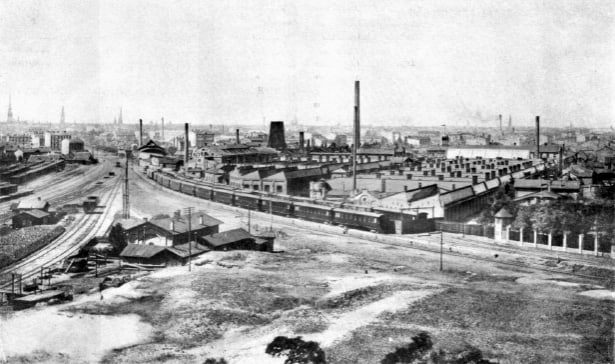
The Russo-Baltic Wagon Factory, RBVZ, had built railway carriages in Riga since 1869. In 1907 it decided to build cars. For the prototype it took a Belgian car, the Fondu, and because all the correspondence was in French, the new department was called the Division Automobile de Riga: D.A.R.
1909: the first Russo-Balt
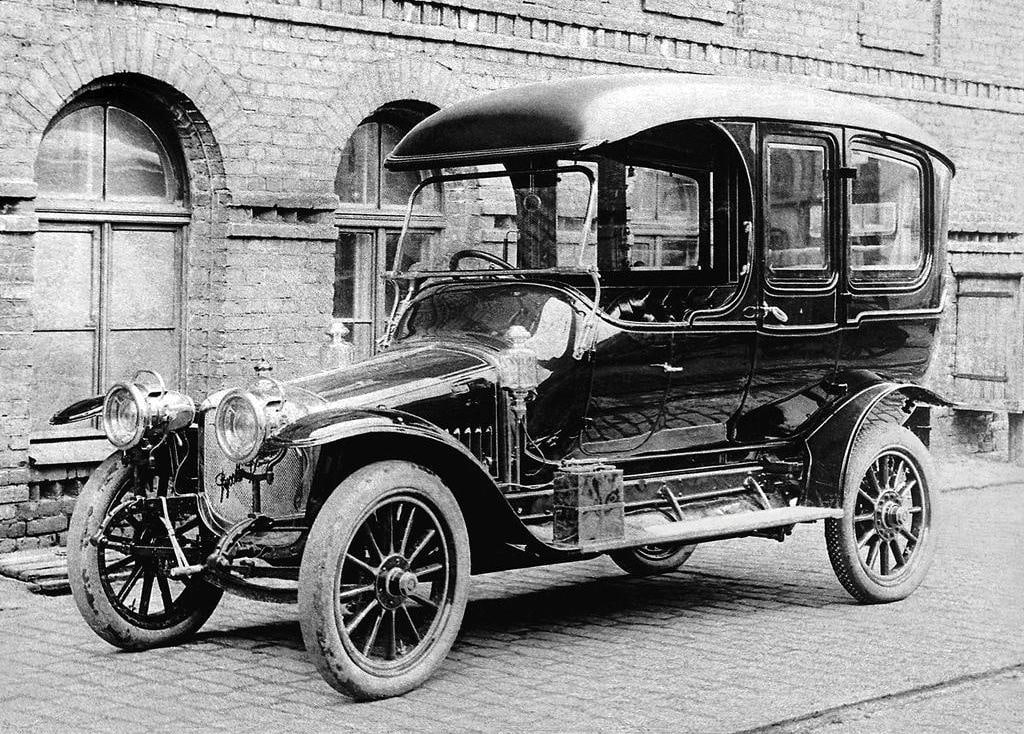
The first car, the C24/30, left the works in 1909, with the Swiss engineer Julien Potterat, the department’s chief designer, at the wheel. 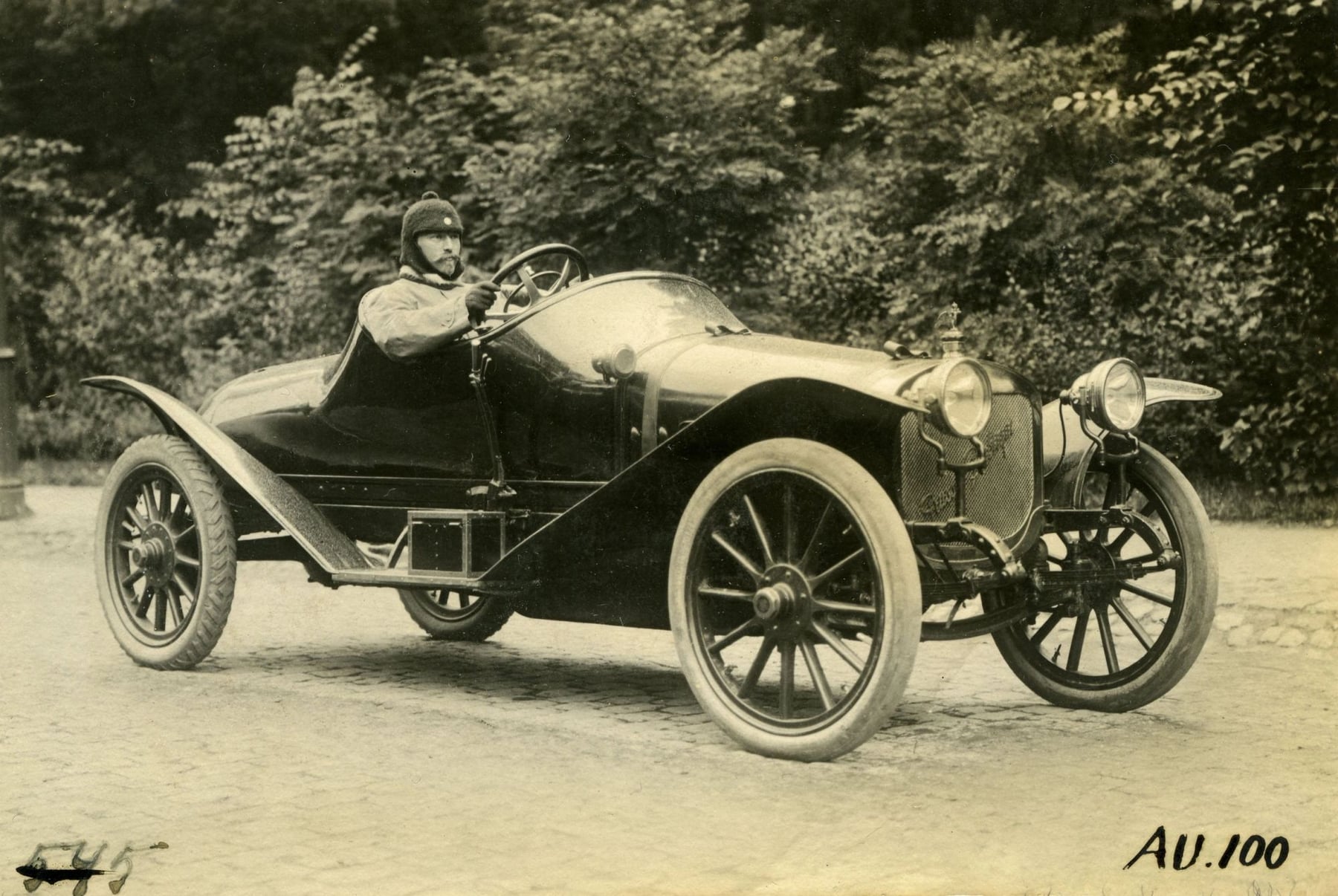
A smaller K12/20 followed, then the C24/40 and faster versions, trucks for the army and a fire engine. By 1915 about 625 cars had been built in Riga.
A warrant from the Tsar
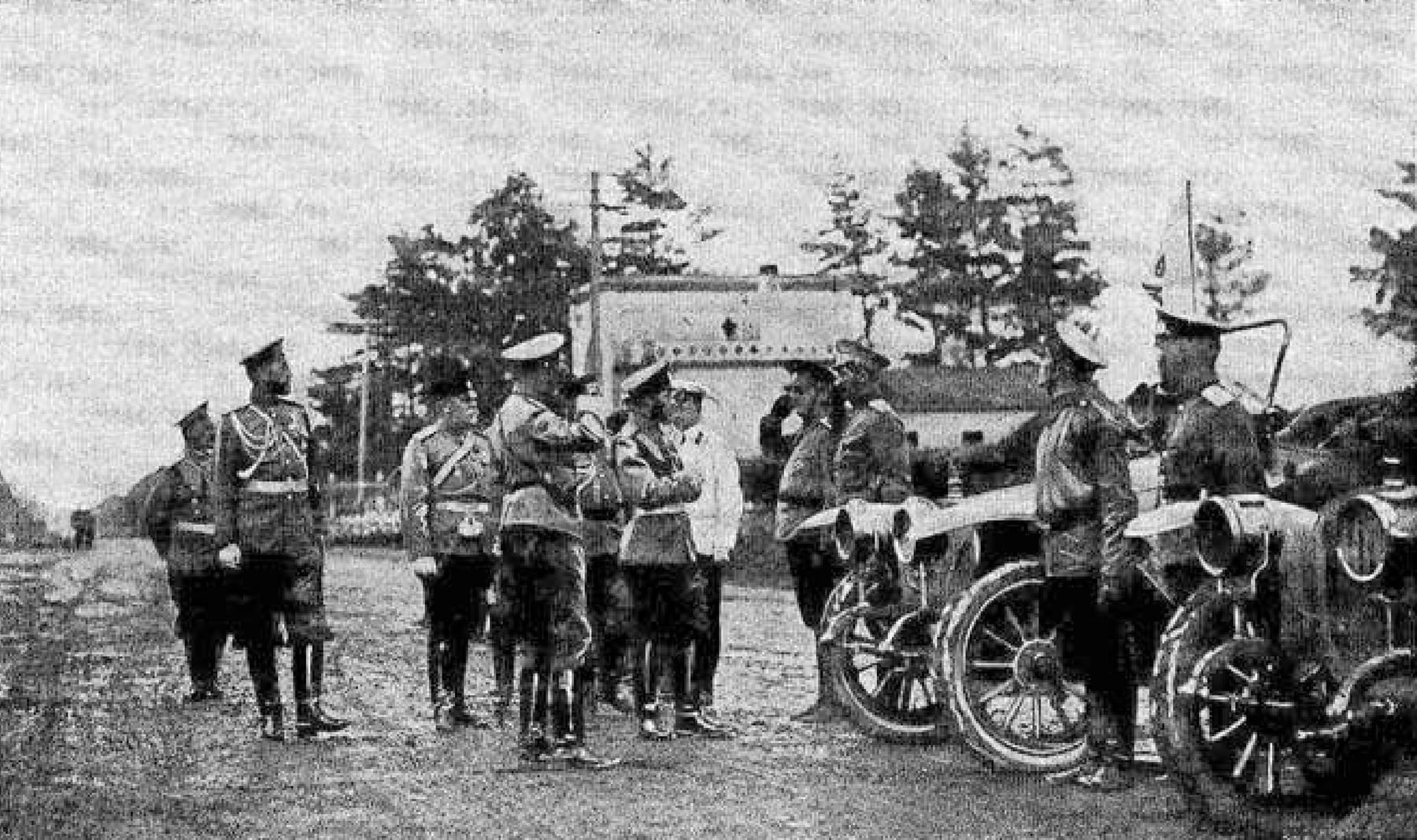
In 1912 RBVZ became a supplier to the court of Emperor Nicholas II, and, DARTZ records, from then on its cars could carry the Russian imperial eagle. The same year the works began supplying cars to the army, which tested them against the best foreign makes. The Tsar’s own garage used Russo-Balts, among them a C24/40 fitted with Adolphe Kégresse’s half-track. Read Kégresse’s story.
Winning on the road
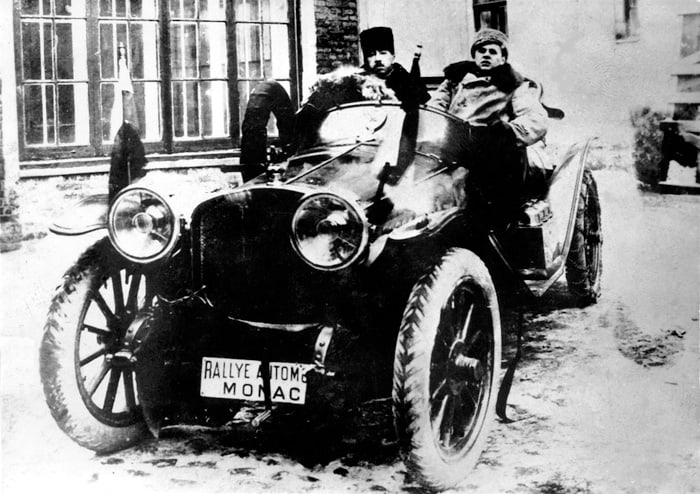
Russo-Balts raced, too. In 1912 André Nágel drove a C24/55 from St Petersburg to Monaco for the Monte Carlo Rally and arrived first; the judges placed him ninth, but he won the endurance award. He also drove a Russo-Balt up Vesuvius, and the cars ran in the Russian Grand Prix of 1913. Read Nágel’s story.
To war, and away from Riga
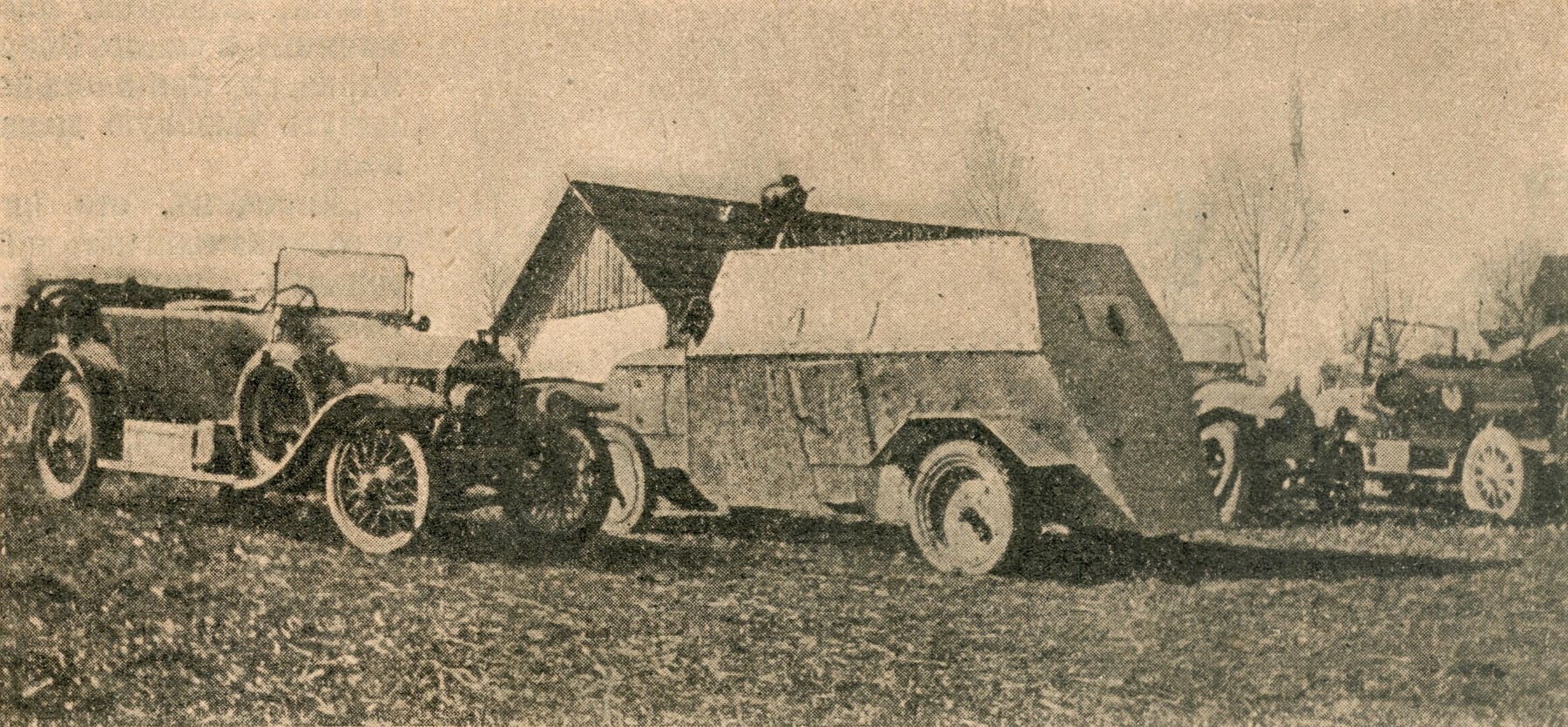
The works built armoured cars, which DARTZ dates to 1912, and armoured Russo-Balts fought in the First World War. In the autumn of 1915, as German forces approached Riga, the automobile works were evacuated east, to Fili near Moscow. The Riga chapter was over. Read what became of the Fili works.
What survives
Very few Russo-Balts survive. A K12/20 is in the Polytechnical Museum in Moscow, and a 1912 fire engine on the Type D chassis is in the Riga Motor Museum. The name lives on differently: in 1988 the great-grandson of one of the works’ shareholders revived its heritage in Riga, and took the first letters of Division Automobile de Riga for his company’s name, DARTZ.
About DARTZ
DARTZ is a Riga carrosserie that builds bespoke, opulent vehicles, armoured or non-armoured, in strictly limited numbers. It calls them BONDs: Bespoke Opulent Noble Drives.
Its heritage runs back to the Russo-Baltic Wagon Factory (RBVZ), founded in Riga in 1869, whose automobile department built its first car in 1909. Leonard F. Yankelovich revived that heritage as DARTZ in 1988. The group, DARTZ Grupa OÜ, is registered in Tallinn, Estonia.
Its Prombron’ models, from the Iron Diamond and Black Dragon to the Black Shark, Black Alligator and Black Stallion, have been covered by Top Gear, Forbes, Robb Report and Fox News, among many others.
Questions we are asked
What was the Russo-Balt?
The car made by the Russo-Baltic Wagon Factory, RBVZ, in Riga from 1909, the works DARTZ traces its heritage to.
How many Russo-Balt cars were built?
About 625 at the Riga works between 1909 and 1915.
What was the first Russo-Balt?
The C24/30 of 1909, developed from the Belgian Fondu under the Swiss designer Julien Potterat.
Do any Russo-Balt cars survive?
Very few. A K12/20 is in the Polytechnical Museum in Moscow and a 1912 fire engine on the Type D chassis is in the Riga Motor Museum.
What is the link between Russo-Balt and DARTZ?
DARTZ was founded in 1988 by Leonard F. Yankelovich, the great-grandson of an RBVZ shareholder, to revive the works' heritage. Its name begins with D.A.R., the works' first name for its car department.
EXPLORE THE COLLECTION
DARTZ MODELS
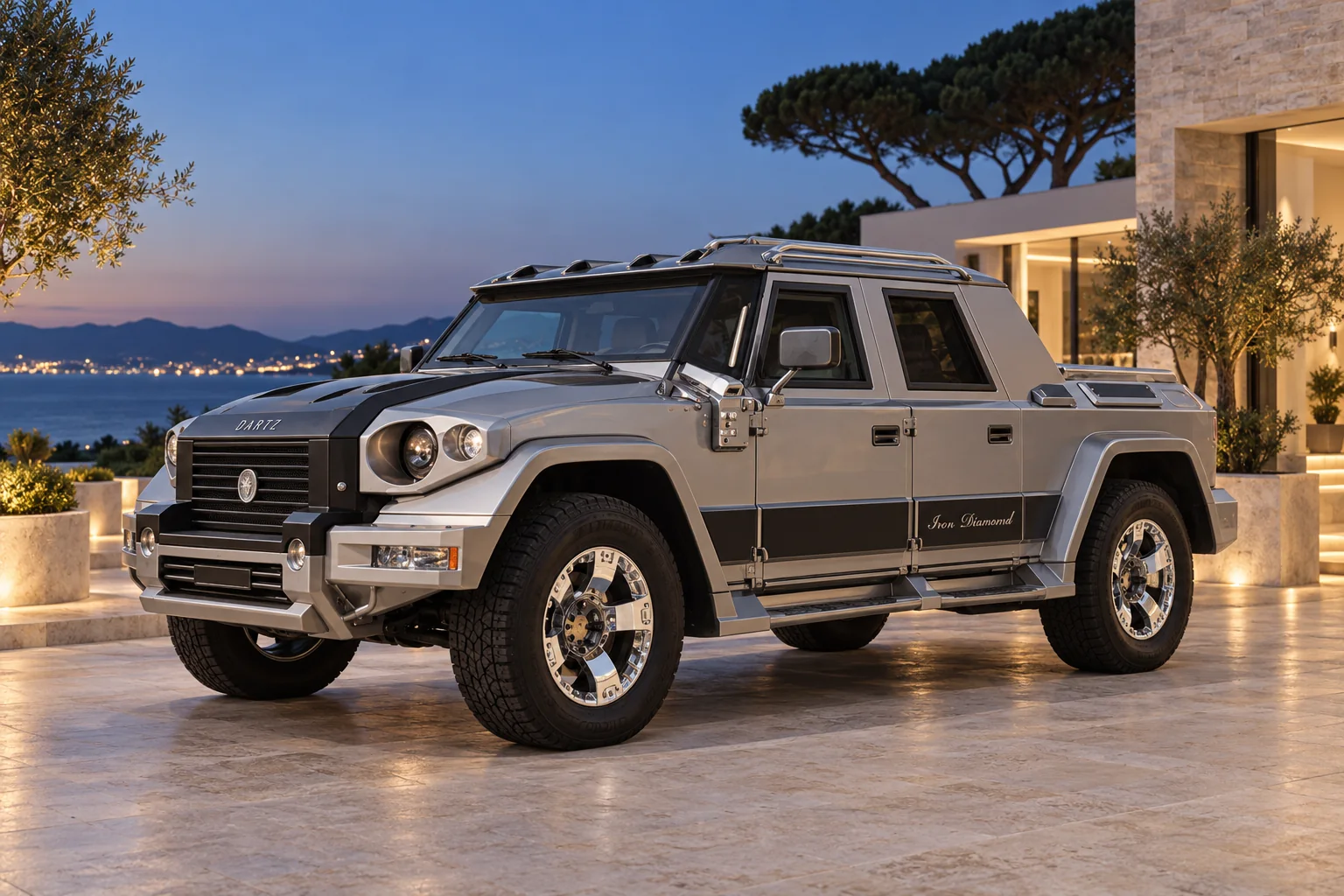 DARTZ PROMBRON' Iron.DiamondIron.Diamond 3-door Kapsula Kupe
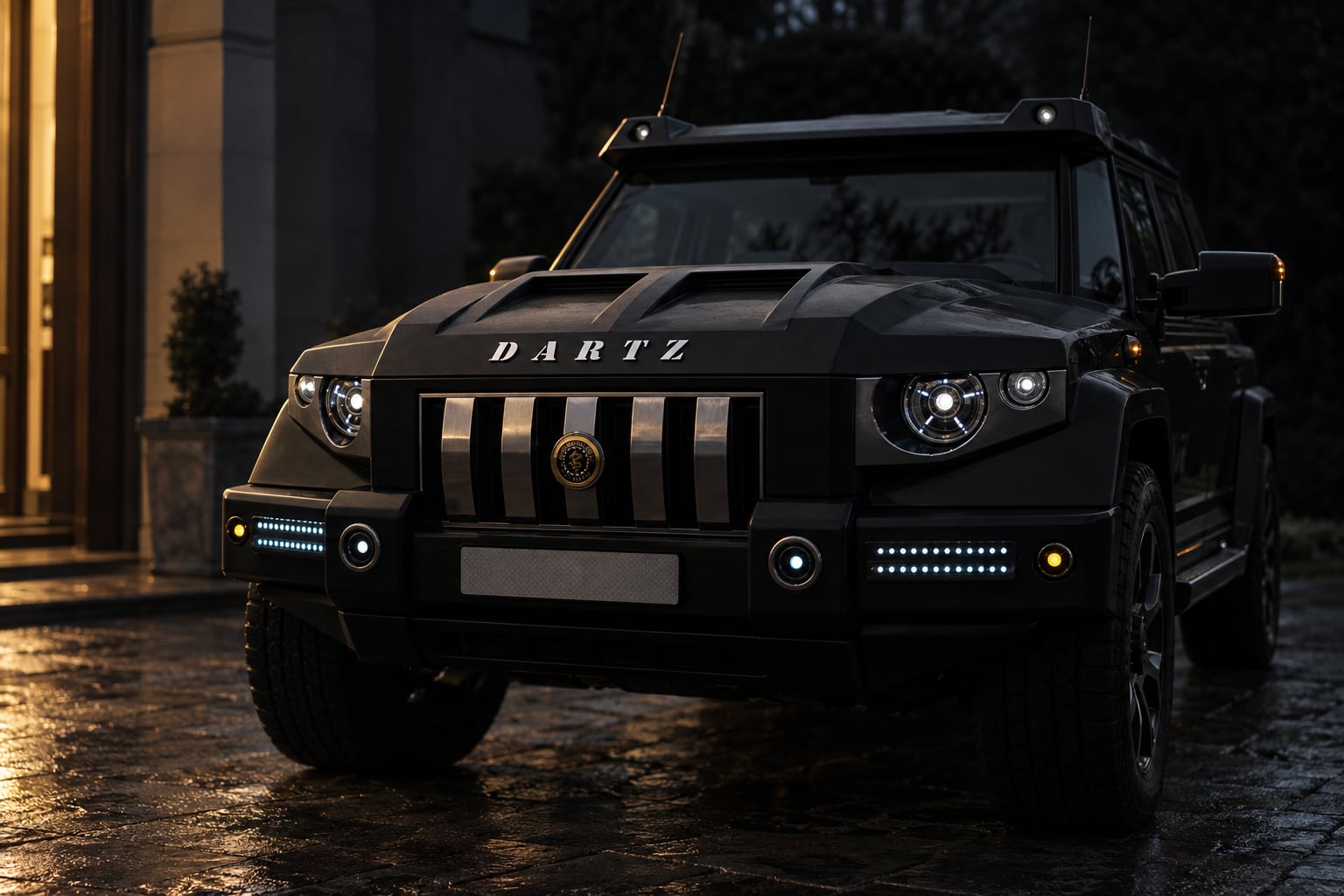 DARTZ PROMBRON' Black.DragonMade for China, 2012
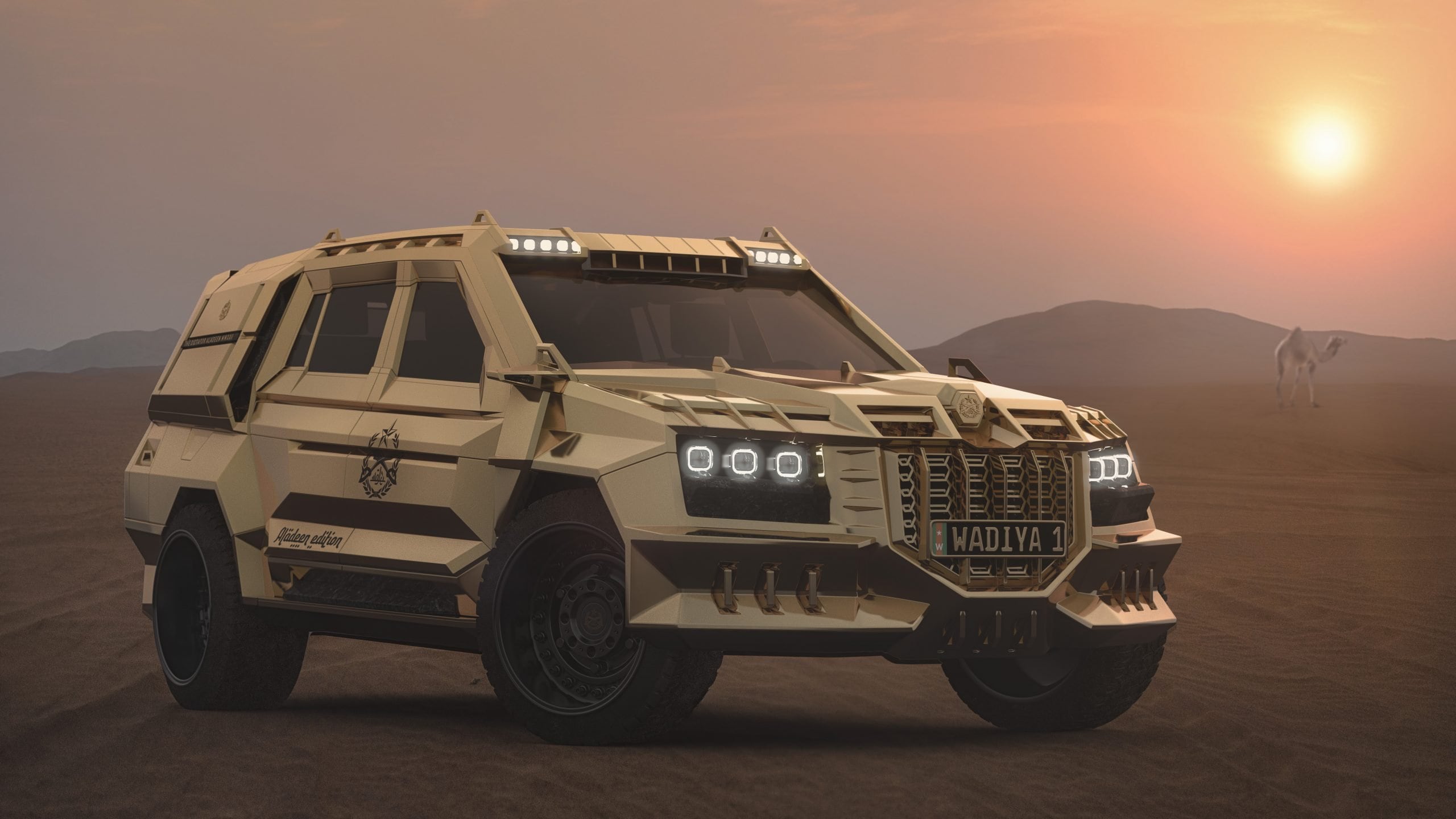 DARTZ PROMBRON' Aladeen (The DICTATOR)Built for The Dictator, 2012
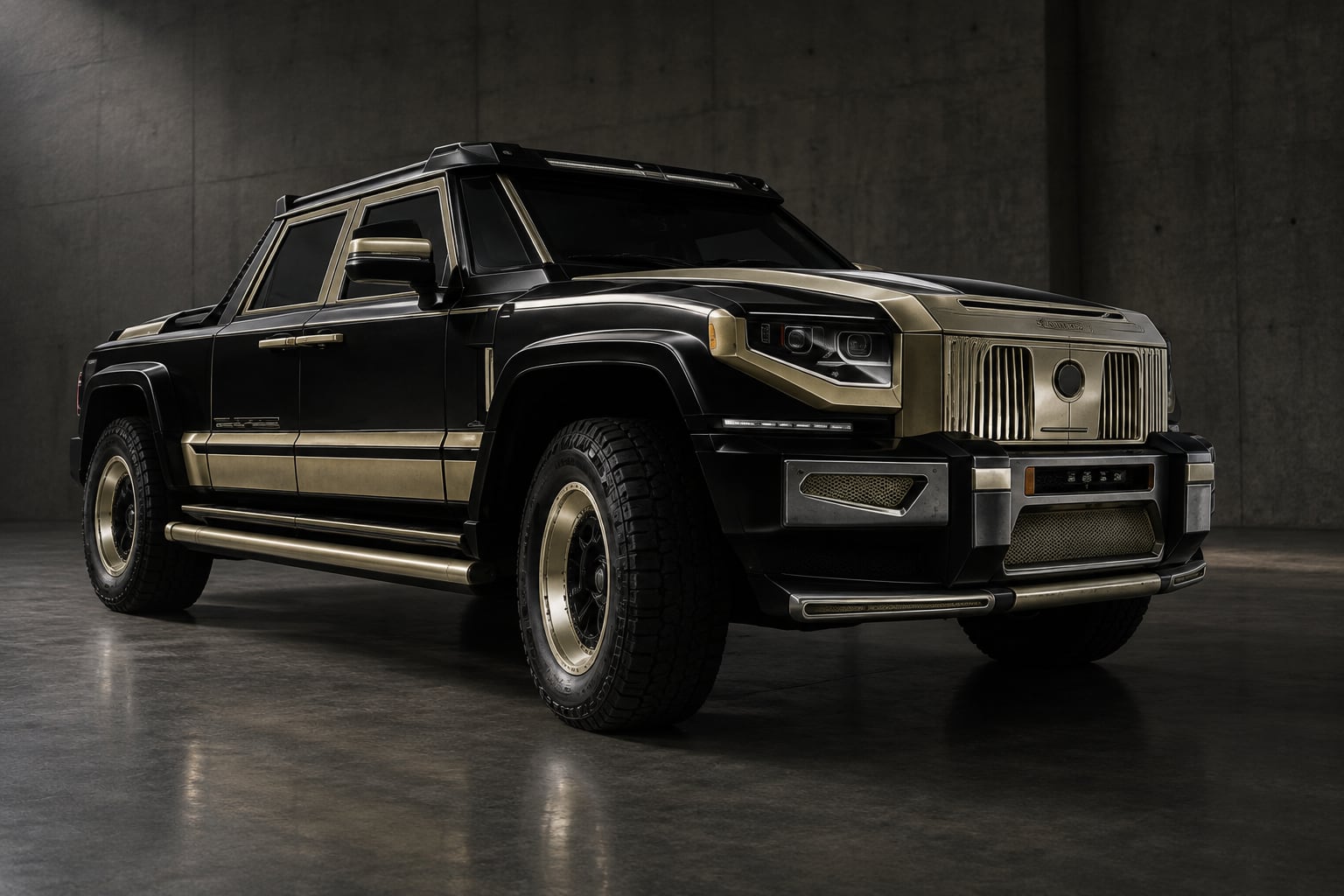 DARTZ Prombron' Black.Snake 2K13More expensive than Most Expensive
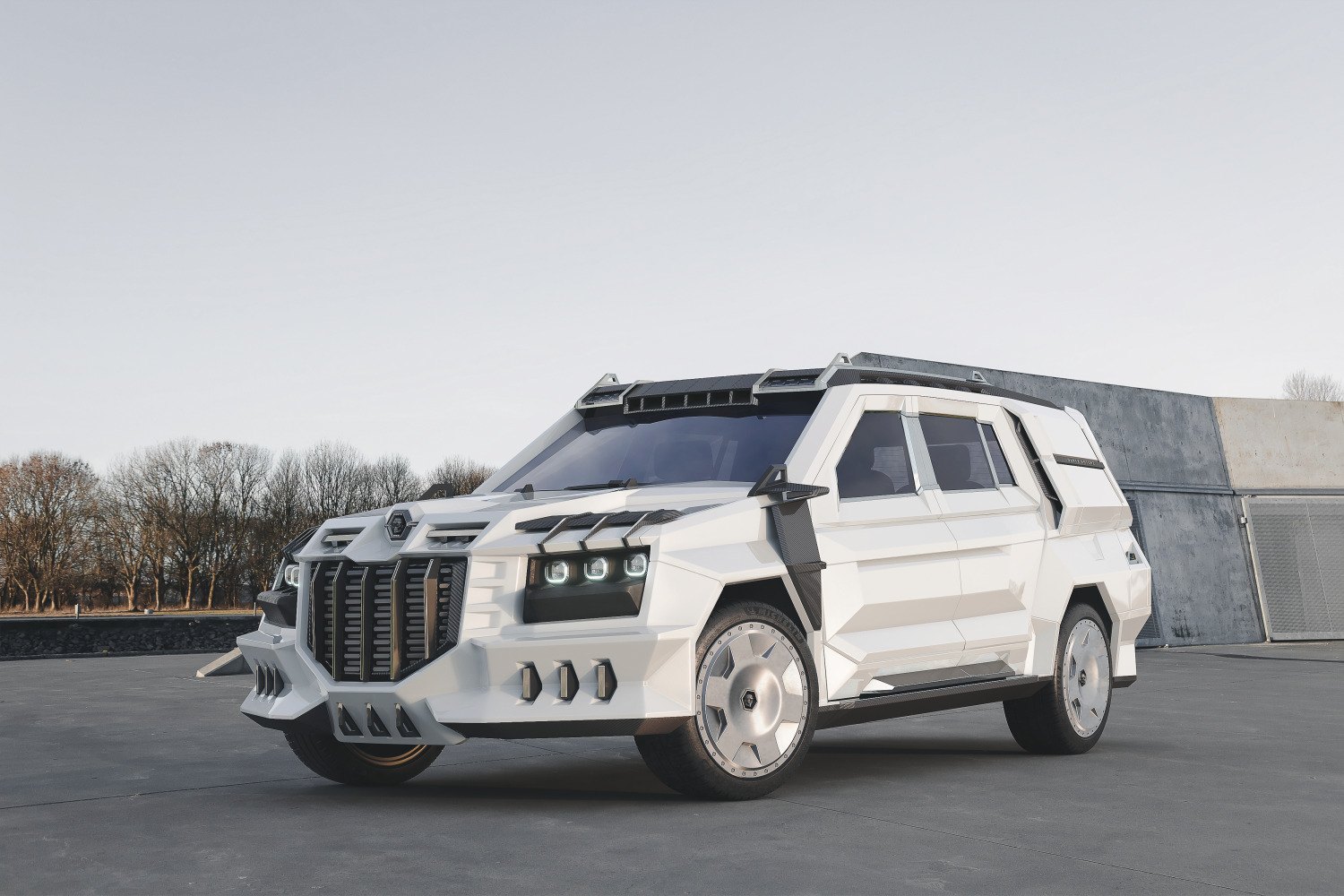 DARTZ Prombron' Black AlligatorMore Than The Most.
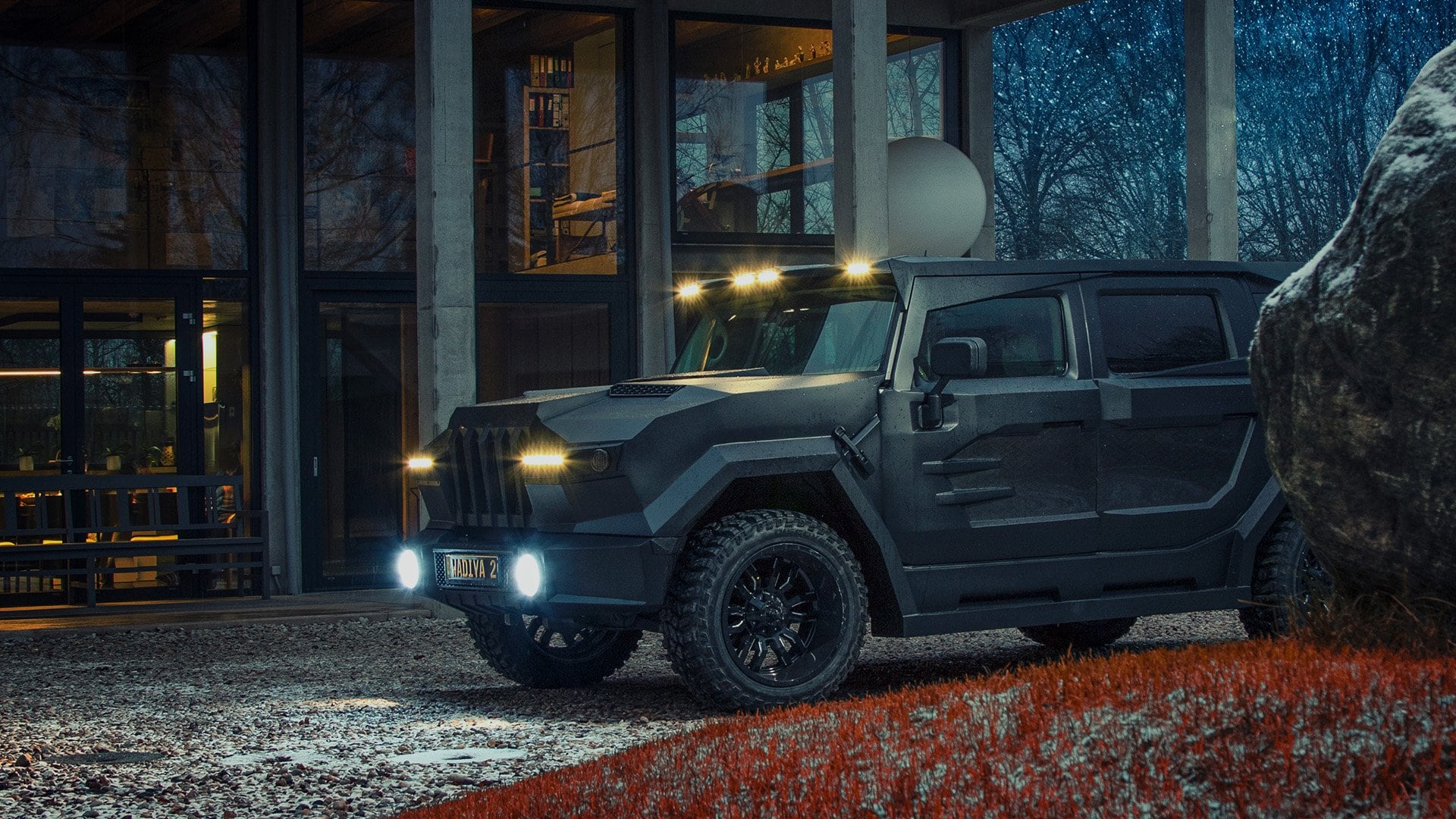 DARTZ Prombron' Black StallionBLACK STALLION
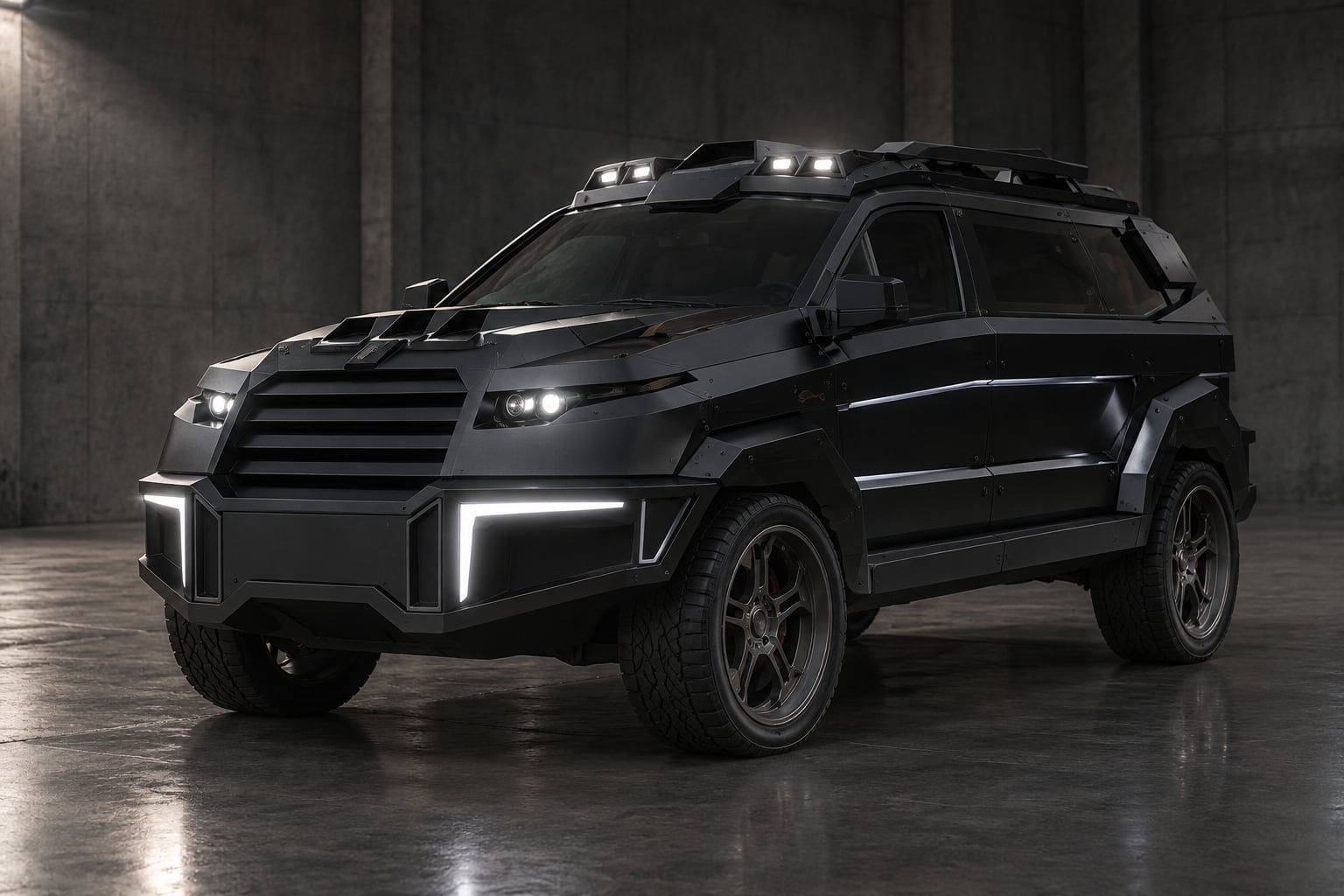 DARTZ PROMBRON' Black.SharkSpy.Grey 2K15
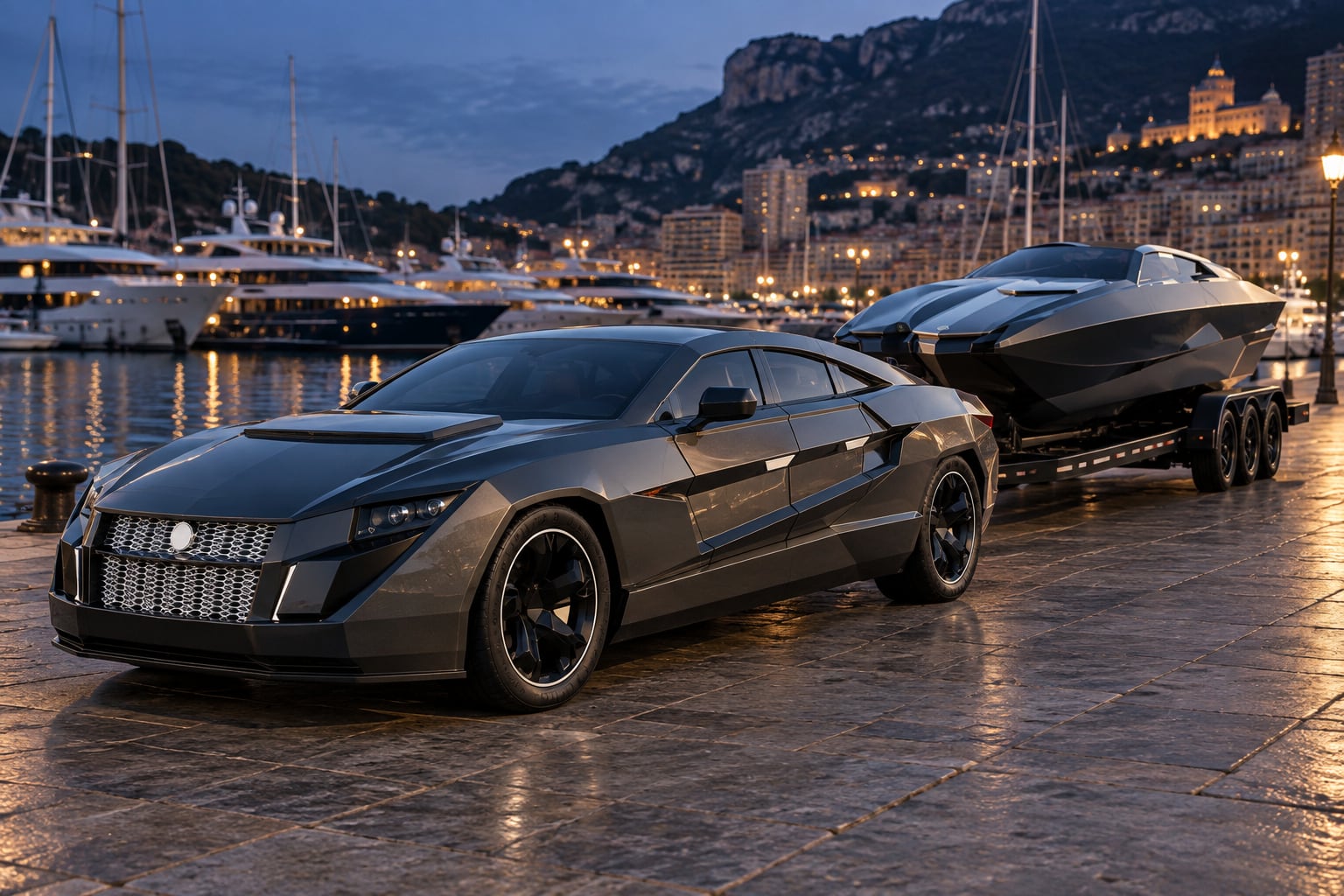 PAST MODELSNagel, Jo-Mojo, Kegresse, Shere Khan and more
Bulletproof opulence since 1869
DARTZ sells direct: no dealers, no intermediaries. Every enquiry is handled in confidence.
Explore the collection