
Screen & Culture
The Maharajas and Their Motor Cars: India's Golden Age of Bespoke
India's princes were among the first great patrons of the bespoke car. The Maharaja of Gwalior bought the Rolls-Royce known as the Pearl of India in 1908, eight Rolls-Royces were ordered for the Delhi Durbar of 1911, and estimates of the Rolls-Royces sent to Indian rulers before 1939 run to several hundred. Cars were bodied by British coachbuilders to each ruler's taste, like the saffron Star of India of 1934, made for the Maharaja of Rajkot.
Before the motor car was a product, it was a commission. And in the first half of the twentieth century, few patrons commissioned more boldly than India’s princes.
1908: the Pearl of India
The romance began in 1908. A Rolls-Royce shown in Bombay, finished in cream with apple-green stripes edged in gold, was bought by the Maharaja of Gwalior. It became known as the Pearl of India, and according to the story told since, he paid in rubies. (The Irish Times) It began an association between Rolls-Royce and the Indian courts that lasted some forty years.
1911: the Delhi Durbar
In 1911 King George V was proclaimed Emperor of India at the Coronation Durbar in Delhi, and eight more Rolls-Royces were ordered for the occasion. By the 1930s, estimates of the Rolls-Royces sent to Indian rulers since 1908 ran to several hundred, perhaps as many as 900.
A chassis, and a coachbuilder
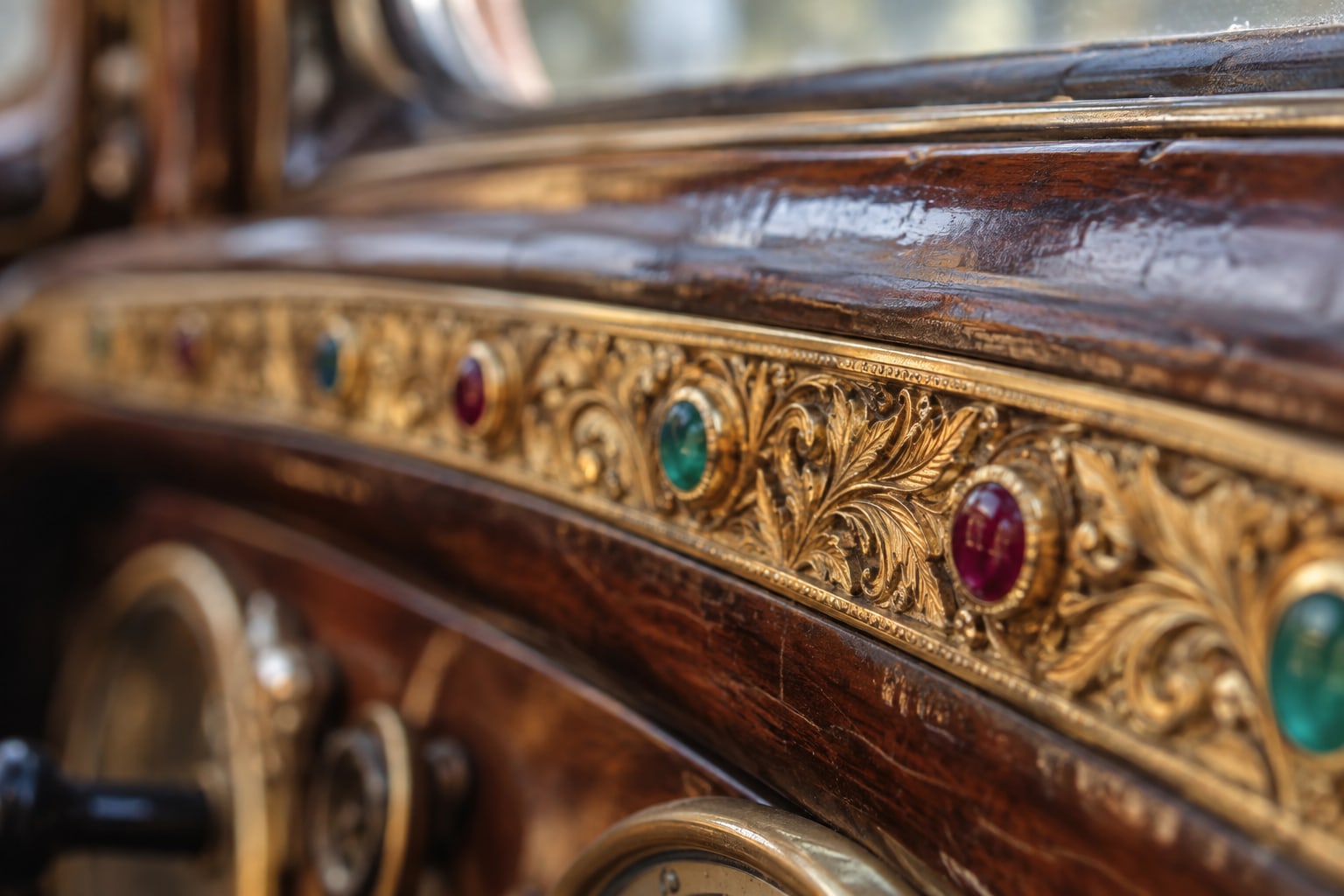
A ruler did not buy a finished car. He bought a chassis and an engine, and a coachbuilder, usually in Britain, built the body to his order. That is why no two princely cars were alike. The press of the time reported cars with instrument panels set with jewels, gold brocade upholstery, and ceilings lit like a night sky. Read what a coachbuilder is.
Patiala
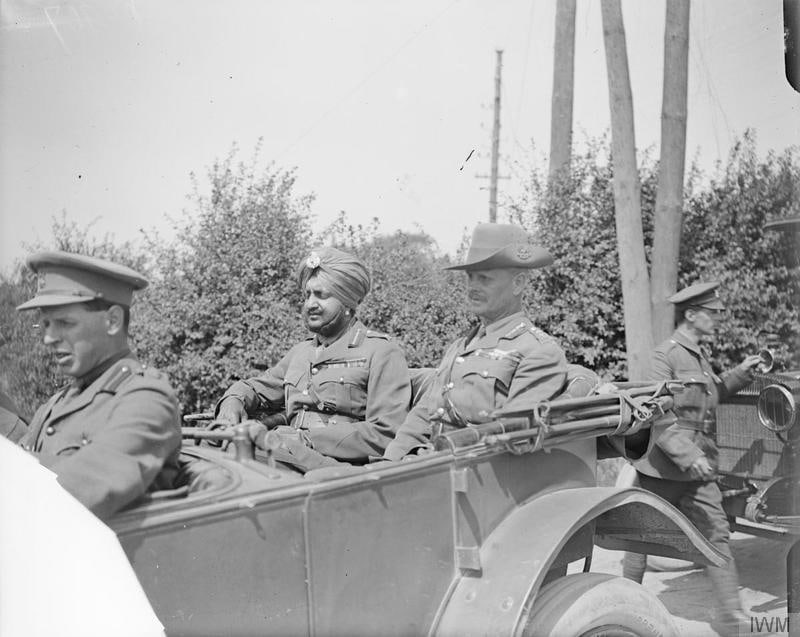
Bhupinder Singh, Maharaja of Patiala, ruled from 1900 to 1938 and was one of the great patrons of the age, in cars as in jewels. His Rolls-Royce was said to have a dashboard encrusted with precious stones, guarded by armed men whenever it went for service. He was also a soldier: the photograph above shows him in an open car on the Western Front, in July 1918.
The Star of India
The most famous survivor is the Star of India, a one-off 1934 Rolls-Royce Phantom II Continental all-weather convertible made for the Maharaja of Rajkot. Thrupp & Maberly bodied it in saffron, with polished aluminium wings, and the Rajkot crest on each door, on the bonnet and etched into the side windows. Its fog lamps turn with the steering. The family sold it in the 1960s and later bought it back.
What the princes left behind
The maharajas’ cars set the idea that still governs the finest cars: the car is made for its owner, not for a market. Colour, crest, materials and the shape of the cabin were the client’s to decide.
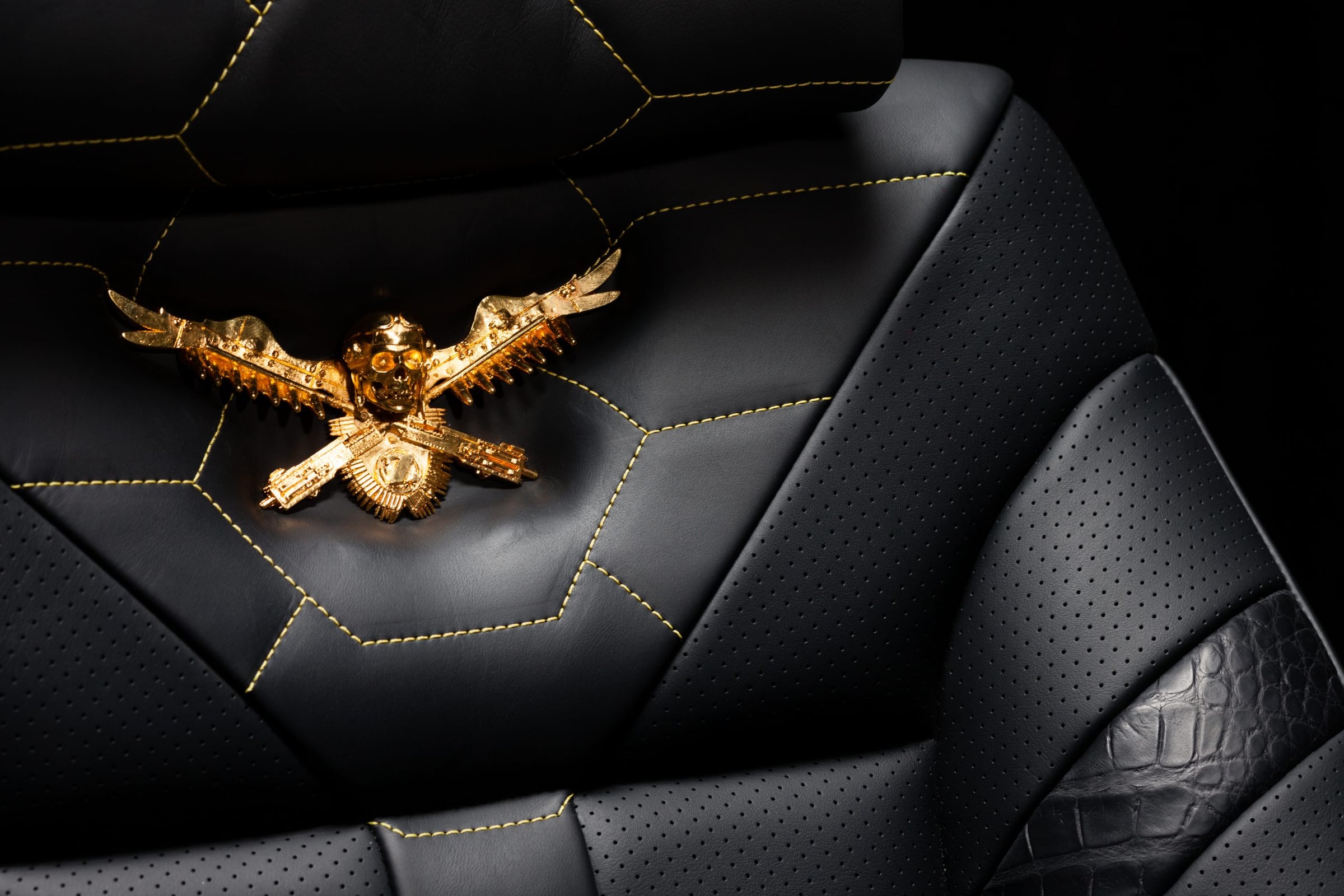
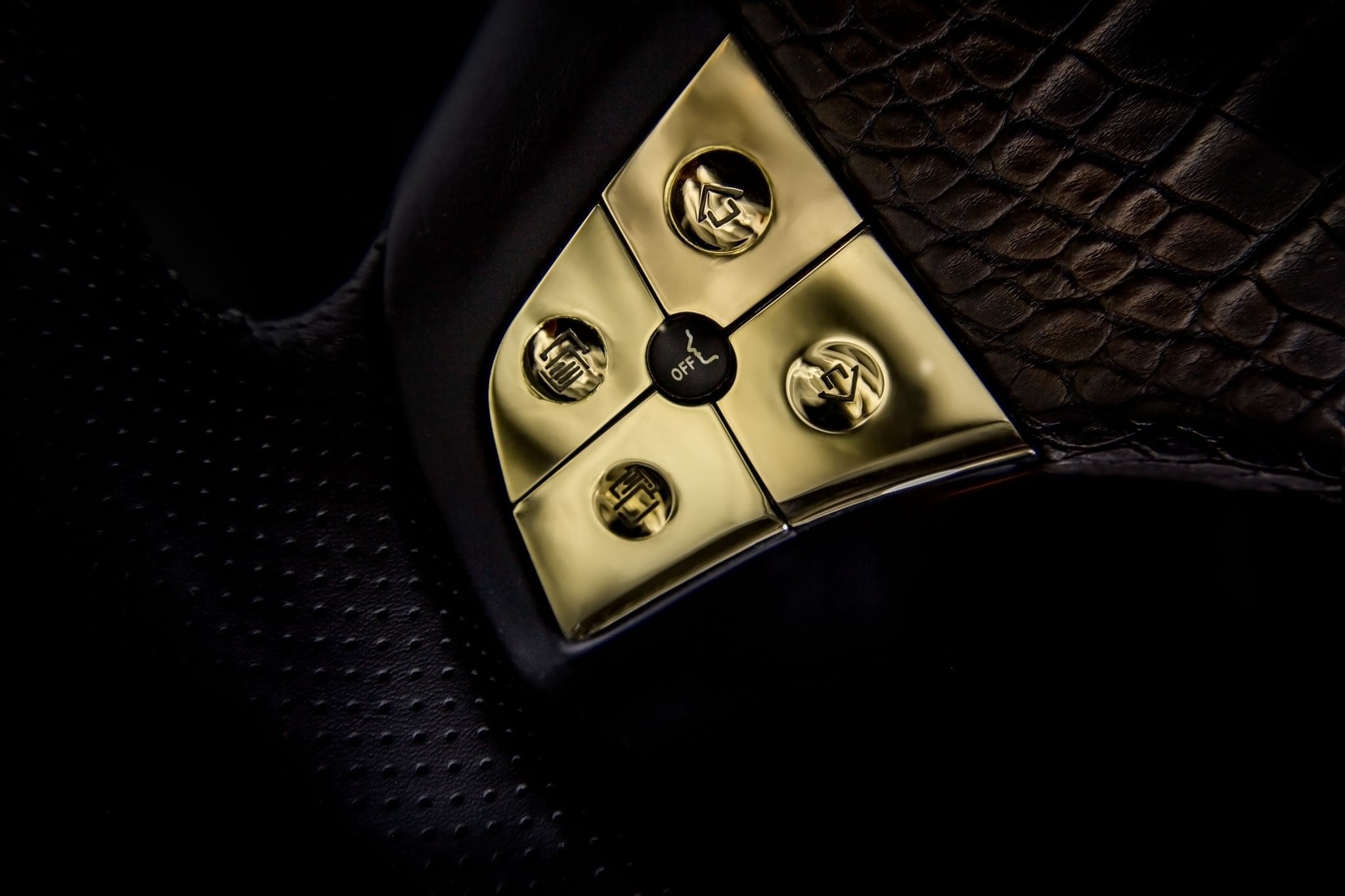
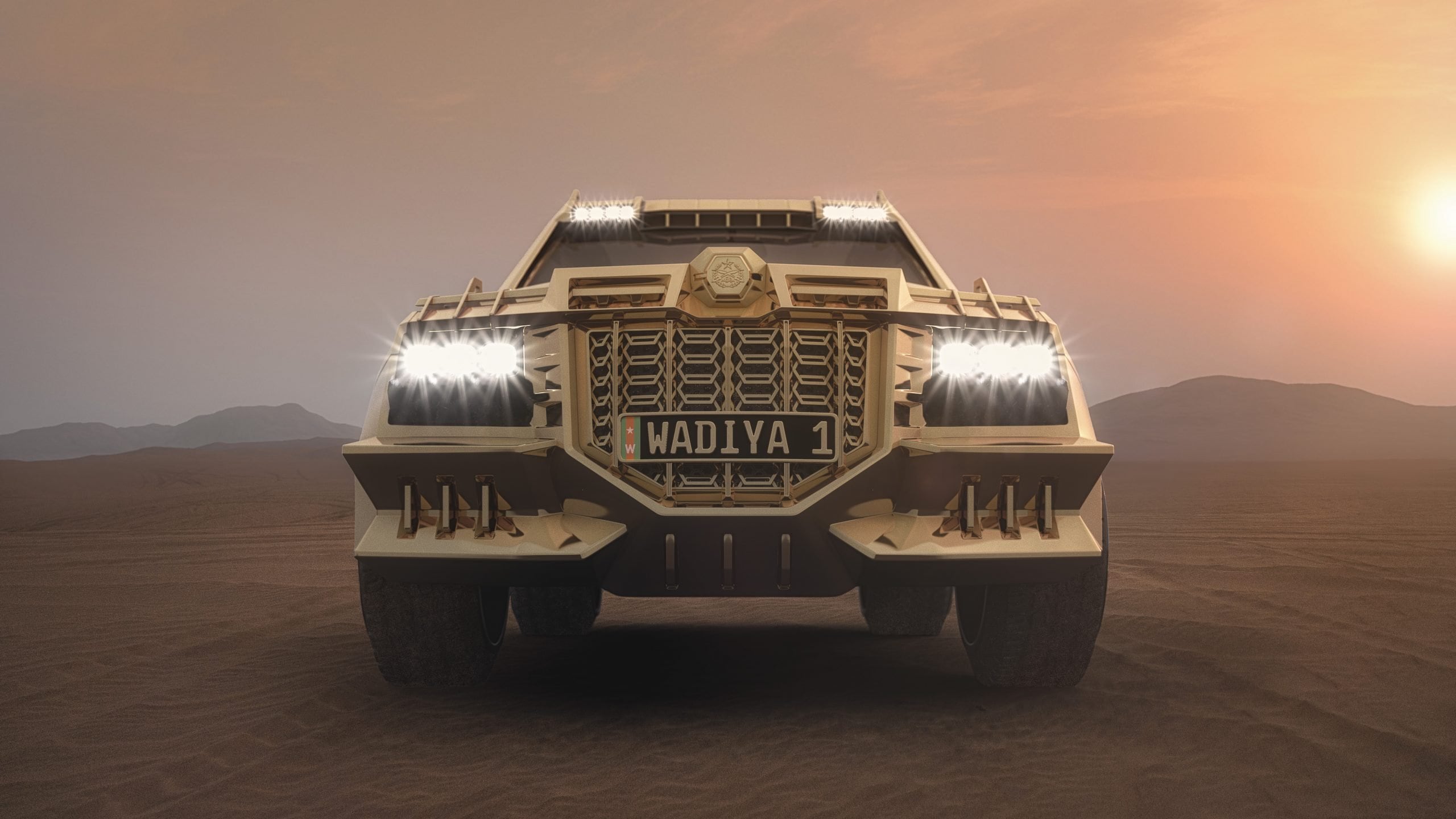
DARTZ works the same way. Every Prombron’ is a commission, agreed in a private consultation. DARTZ has set a thousand and one diamonds into the Black Alligator, finished cars in gold for the Aladeen editions, and trims its interiors in rare leathers. Read how to commission a DARTZ and bulletproof cars in India.
About DARTZ
DARTZ is a Riga carrosserie that builds bespoke, opulent vehicles, armoured or non-armoured, in strictly limited numbers. It calls them BONDs: Bespoke Opulent Noble Drives.
Its heritage runs back to the Russo-Baltic Wagon Factory (RBVZ), founded in Riga in 1869, whose automobile department built its first car in 1909. Leonard F. Yankelovich revived that heritage as DARTZ in 1988. The group, DARTZ Grupa OÜ, is registered in Tallinn, Estonia.
Its Prombron’ models, from the Iron Diamond and Black Dragon to the Black Shark, Black Alligator and Black Stallion, have been covered by Top Gear, Forbes, Robb Report and Fox News, among many others.
Questions we are asked
Why did Indian maharajas love Rolls-Royce?
The romance began in 1908, when the Maharaja of Gwalior bought the Rolls-Royce known as the Pearl of India, and it spread through the princely courts. A Rolls-Royce could be bodied to its owner's taste, so each car became a statement of a ruler's style and standing.
How many Rolls-Royces did the maharajas own?
Estimates vary. Accounts of the period suggest that several hundred Rolls-Royces, perhaps as many as 900, went to Indian rulers between 1908 and 1939.
What is the Star of India Rolls-Royce?
A one-off 1934 Phantom II Continental all-weather convertible, bodied by Thrupp & Maberly for the Maharaja of Rajkot, in saffron with the Rajkot crest on its doors and etched into its windows. The family sold it in the 1960s and later bought it back.
Who made the bodies for the maharajas' cars?
Mostly British coachbuilders. The carmaker supplied the chassis and engine, and a coachbuilder such as Thrupp & Maberly built the body to the ruler's order.
EXPLORE THE COLLECTION
DARTZ MODELS
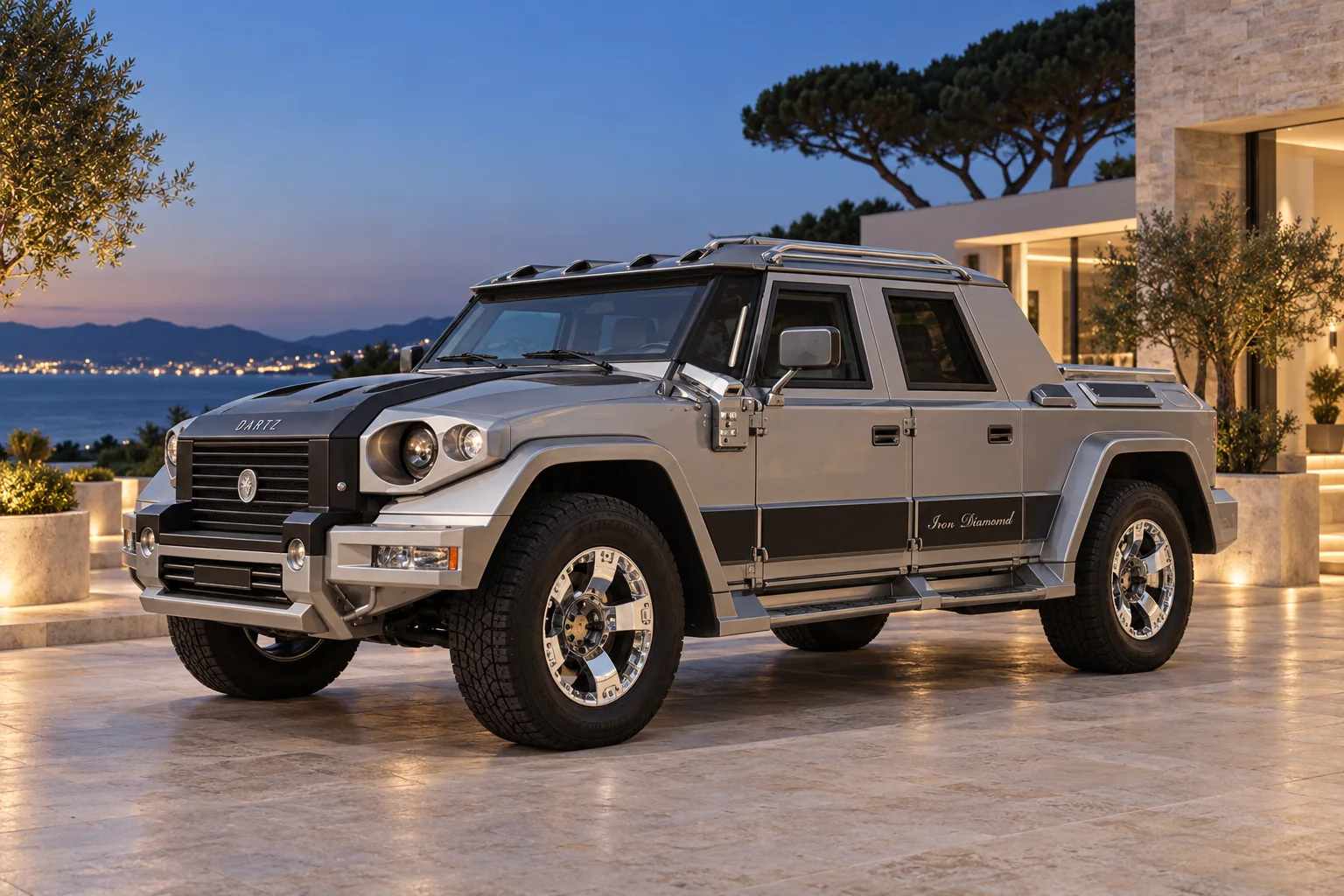 DARTZ PROMBRON' Iron.DiamondIron.Diamond 3-door Kapsula Kupe
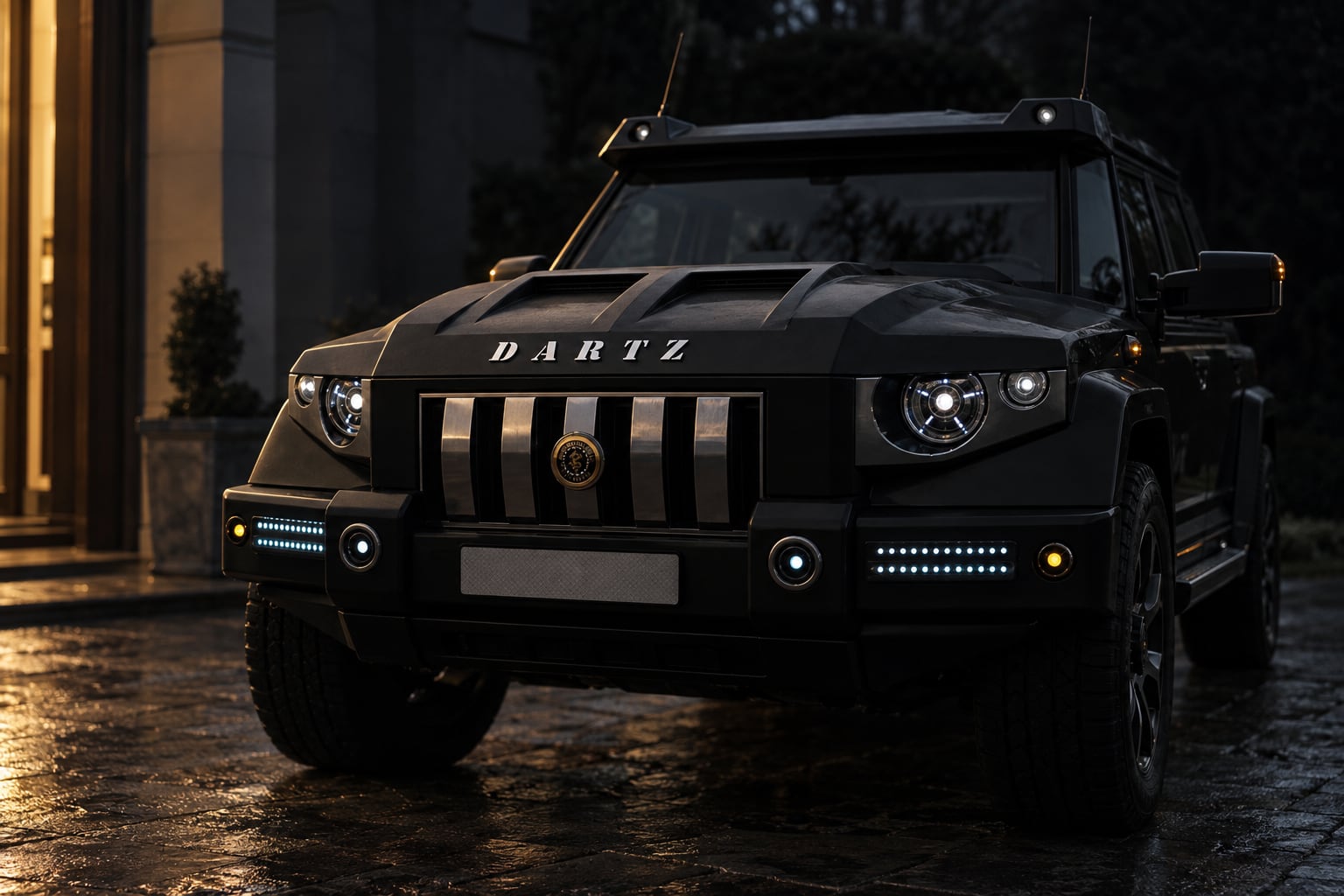 DARTZ PROMBRON' Black.DragonMade for China, 2012
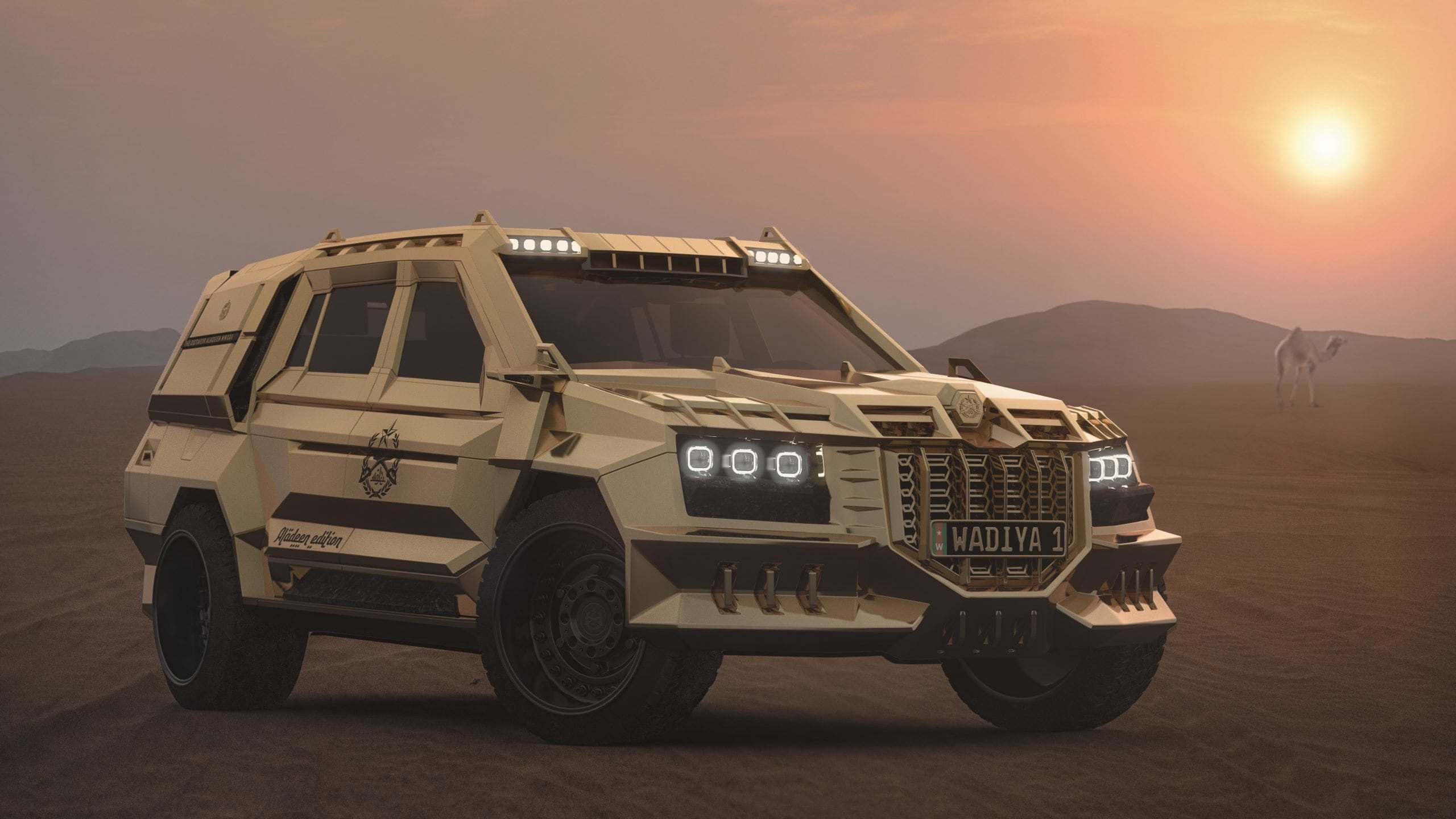 DARTZ PROMBRON' Aladeen (The DICTATOR)Built for The Dictator, 2012
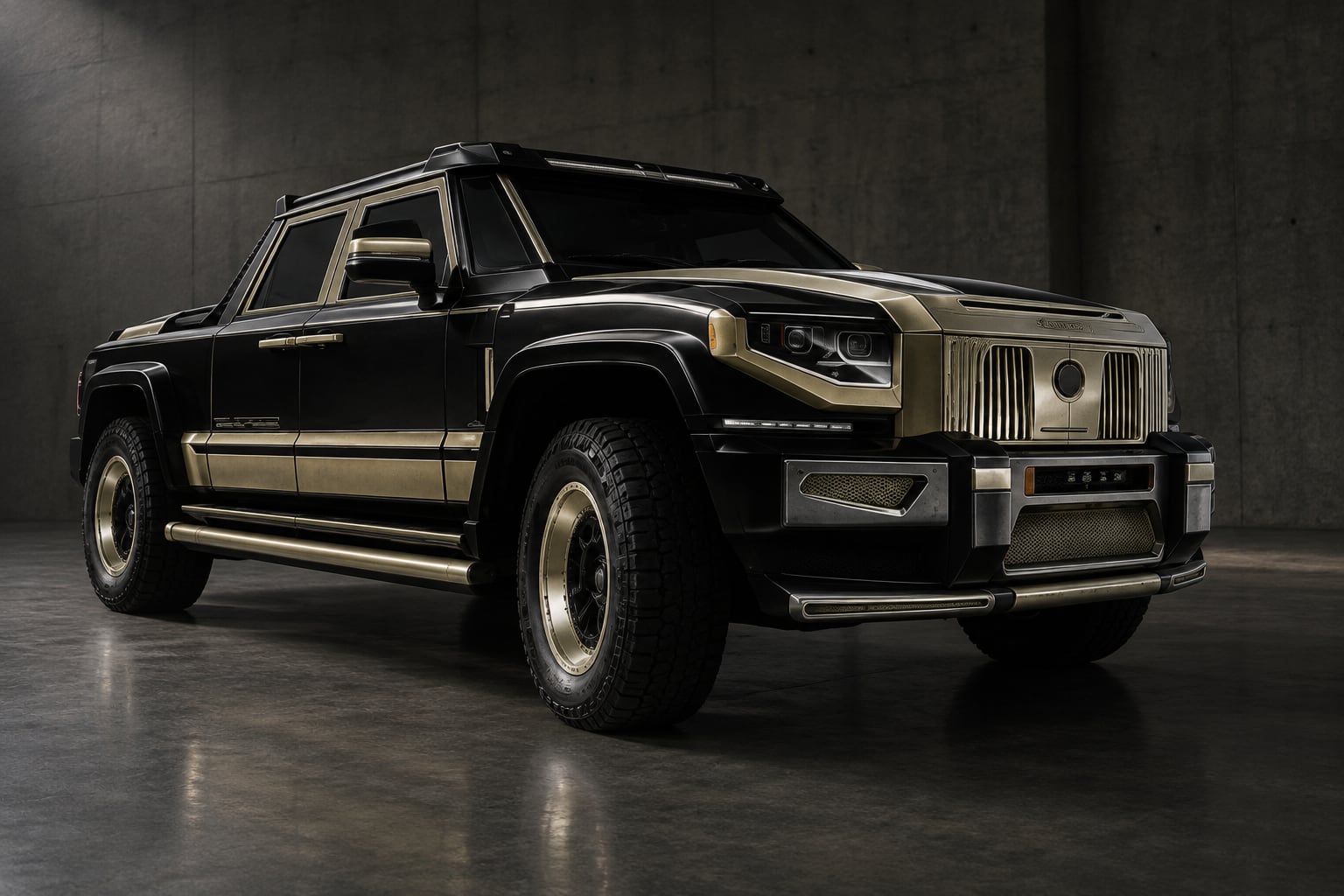 DARTZ Prombron' Black.Snake 2K13More expensive than Most Expensive
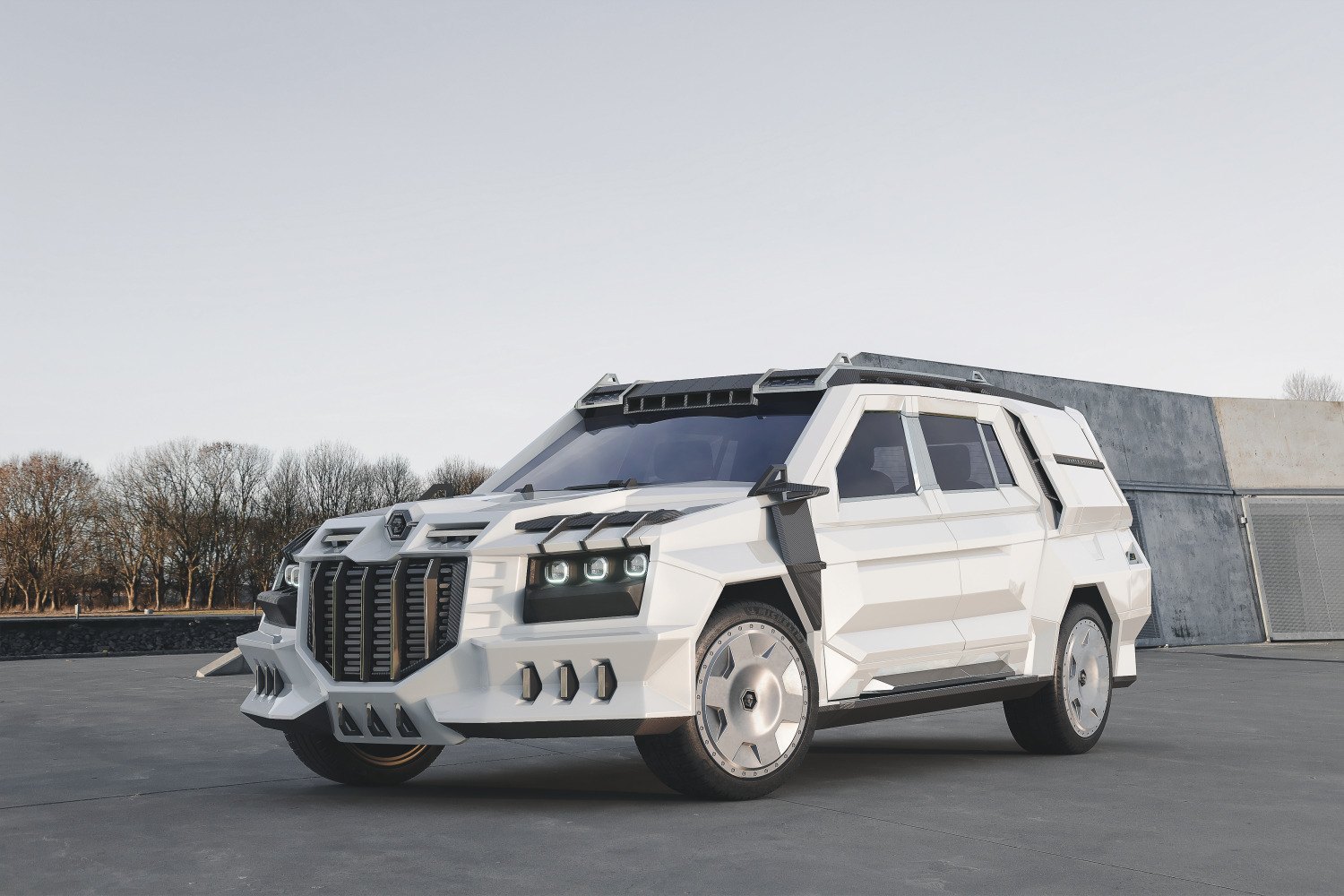 DARTZ Prombron' Black AlligatorMore Than The Most.
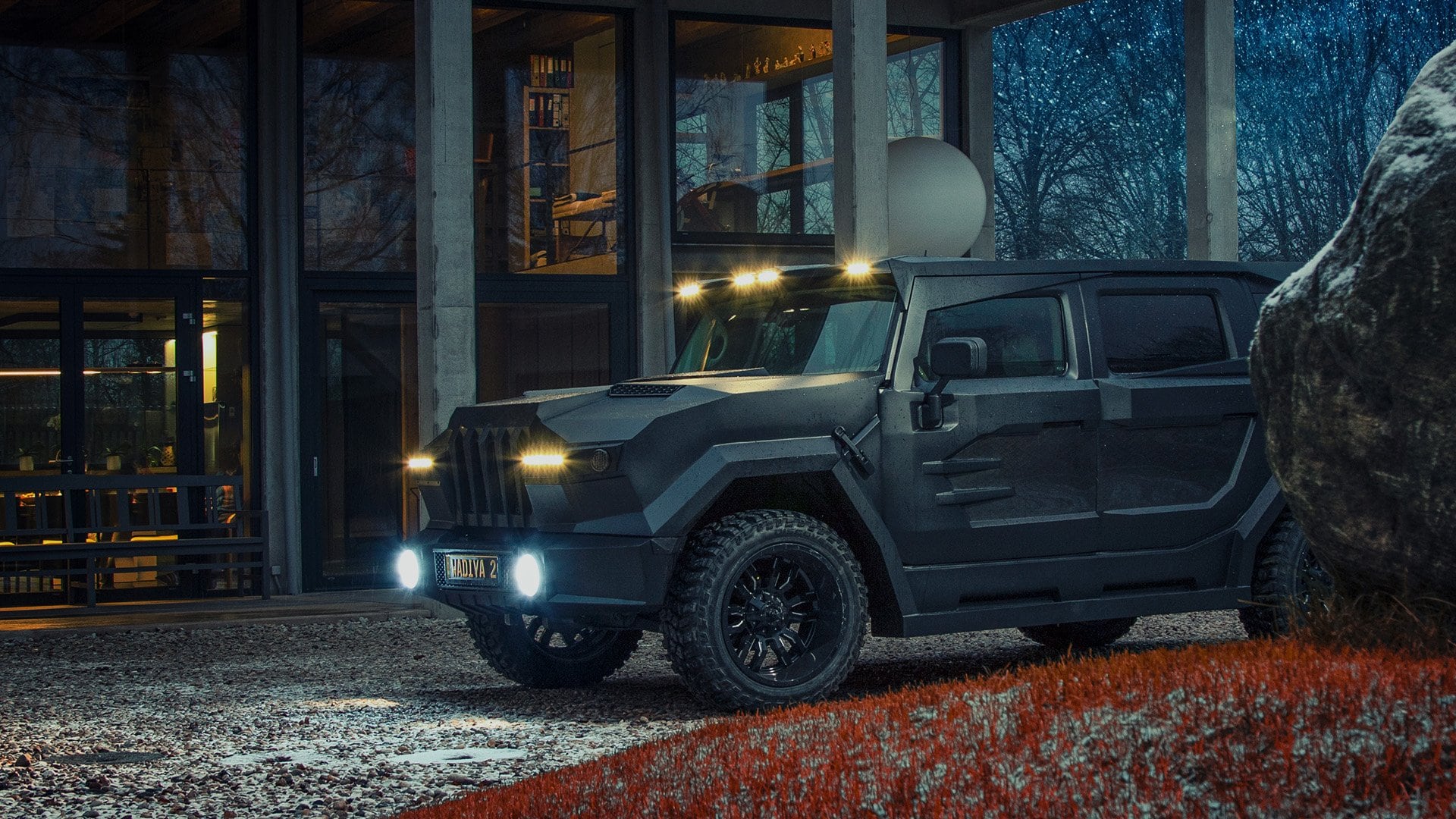 DARTZ Prombron' Black StallionBLACK STALLION
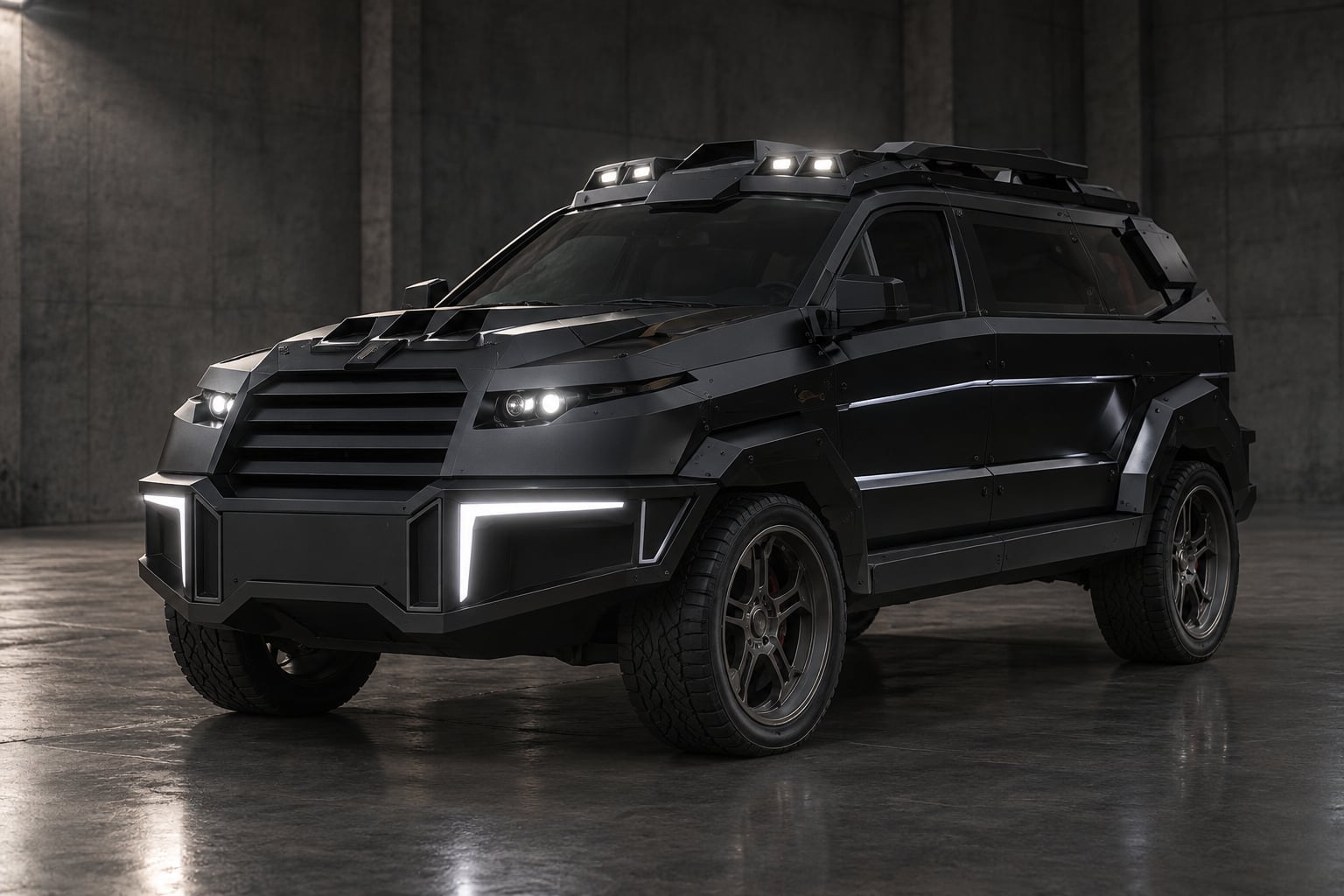 DARTZ PROMBRON' Black.SharkSpy.Grey 2K15
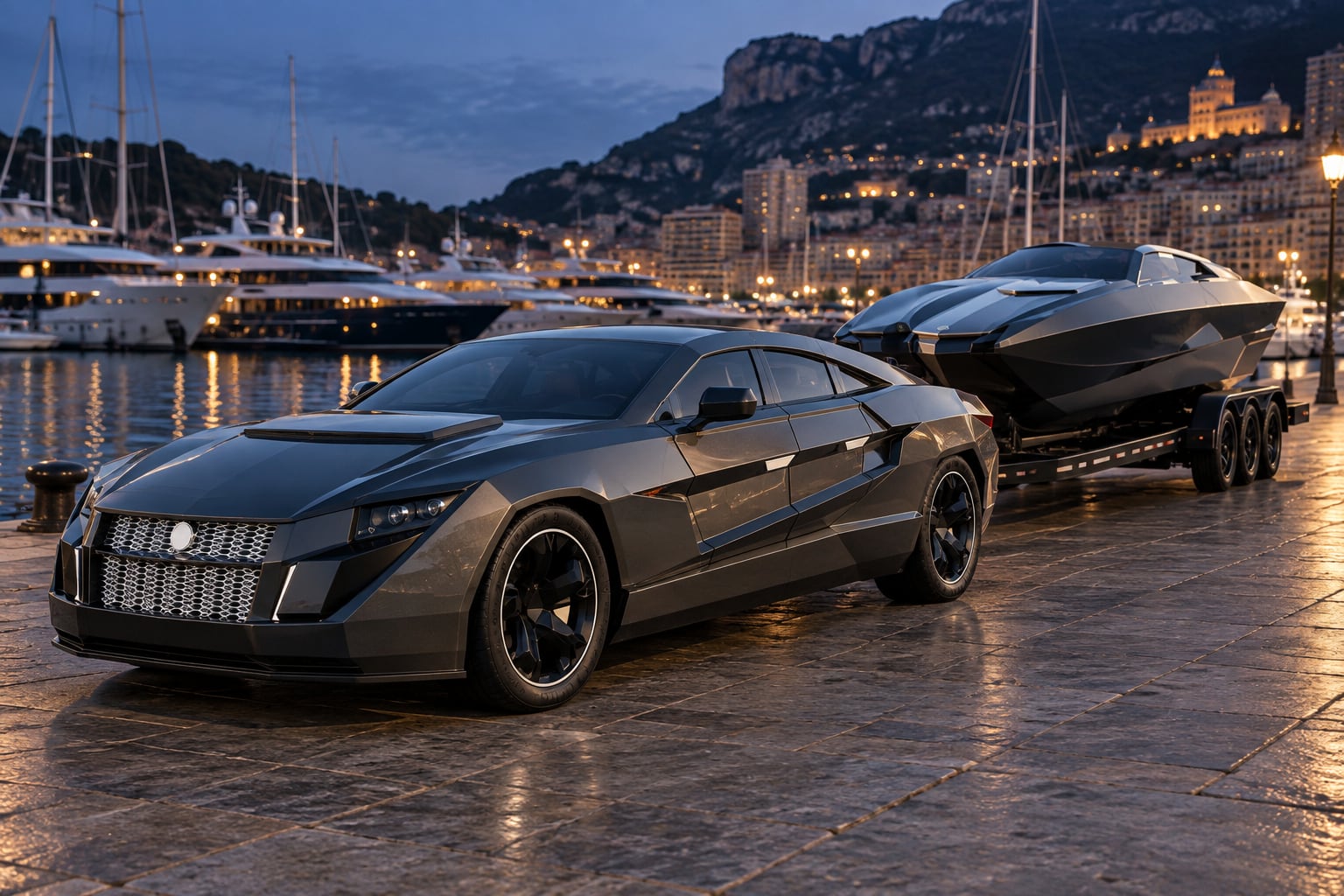 PAST MODELSNagel, Jo-Mojo, Kegresse, Shere Khan and more
Your BOND begins with a conversation
DARTZ sells direct: no dealers, no intermediaries. Every enquiry is handled in confidence.
Begin your commission