
Guides
How an Armoured Car Is Built: Steel, Ceramic, Fibre and Glass
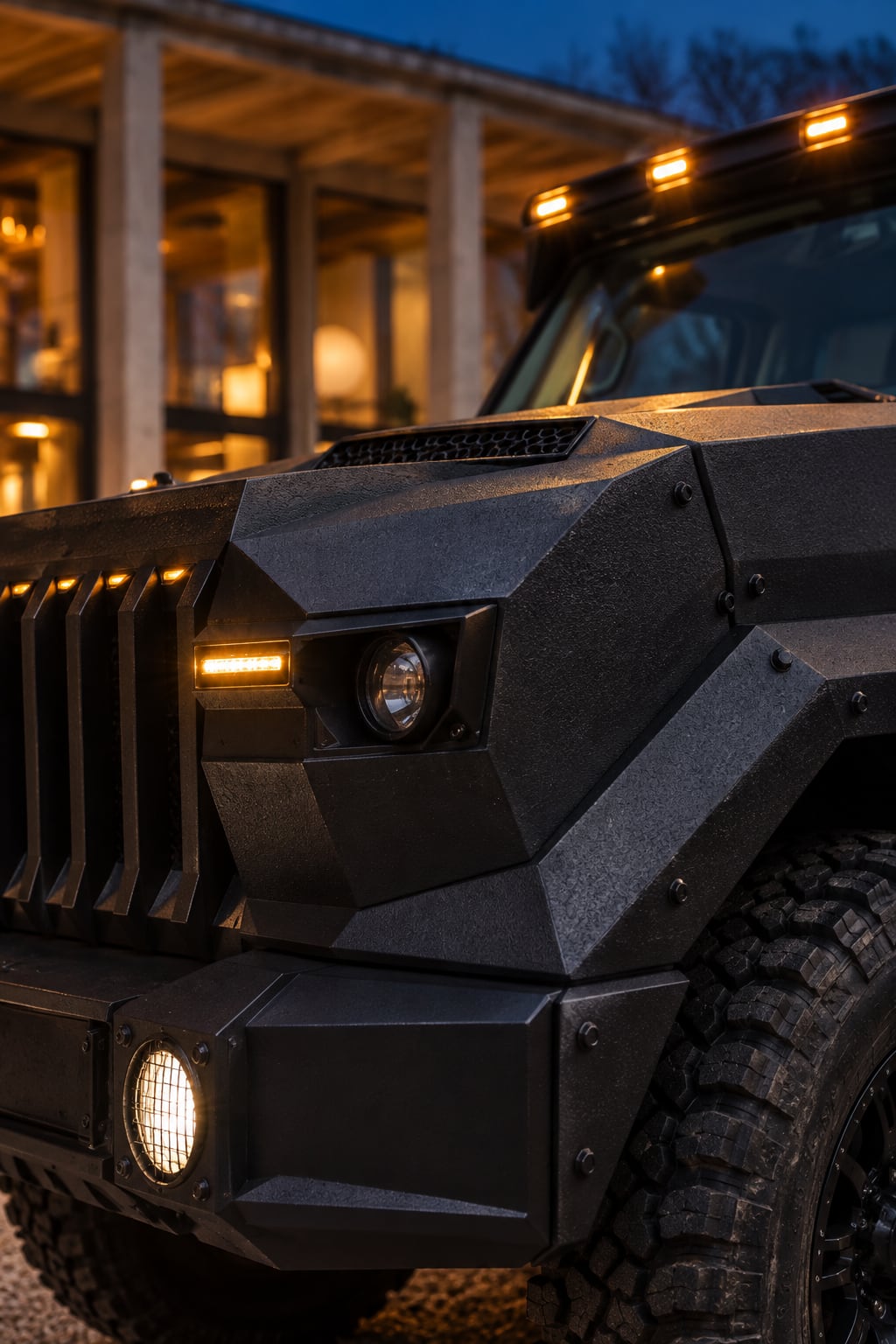
An armoured car is an ordinary car re-engineered around a protective shell. Ballistic steel and ceramic composites stop or blunt the round, layers of aramid or polyethylene fibre catch the fragments, and laminated glass backed by polycarbonate protects the windows. Reinforced hinges, overlapping joints, run-flat tyres and stronger running gear keep it usable. DARTZ builds its Prombron’ models on carbon fibre and Kevlar over a steel cage.
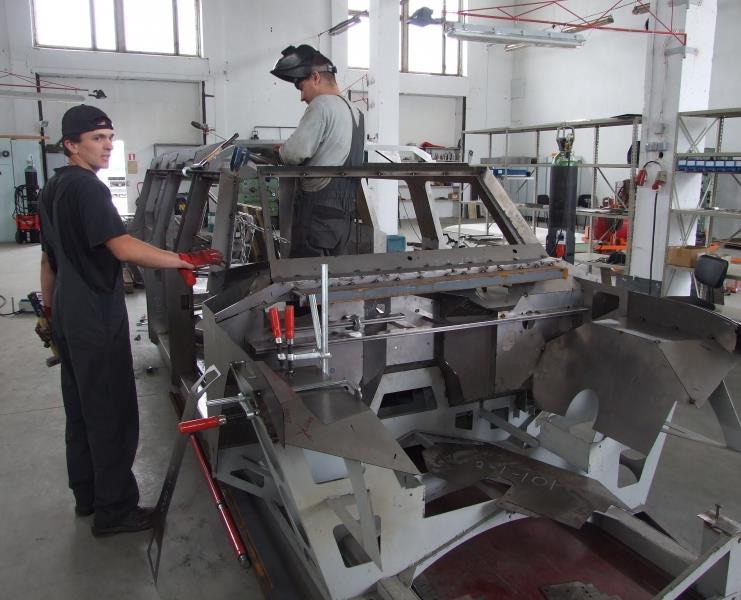
Nothing about an armoured car is a bolt-on. The steel that stops a rifle round is heavier than the door it replaces, the glass is thicker than the windscreen it stands in for, and every gap between them is a place a round could get through. Building one is the craft of closing those gaps.
A shell around the cabin
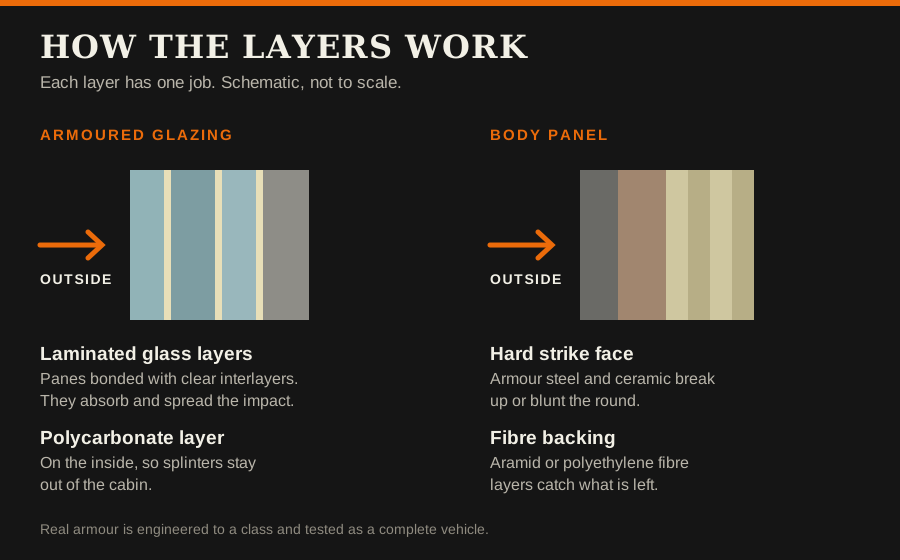
The protective shell is made of layers, and each layer has one job. Ballistic steel and ceramic composites form the hard face that breaks up or blunts the round. Behind them, layers of aramid fibre such as Kevlar, or of polyethylene fibre, catch the fragments the face throws off. Ceramic is used because it is extremely hard and light for its protection. (Ceramic armor on Wikipedia)
The glass
Armoured glazing is a sandwich of laminated glass panes bonded with clear interlayers, backed on the inside by polycarbonate. The glass layers absorb and spread the impact. The polycarbonate holds what remains, so splinters stay out of the cabin. A window built to stop rifle rounds is far thicker and heavier than a factory pane, and the door around it has to be built to carry it.
The weak points
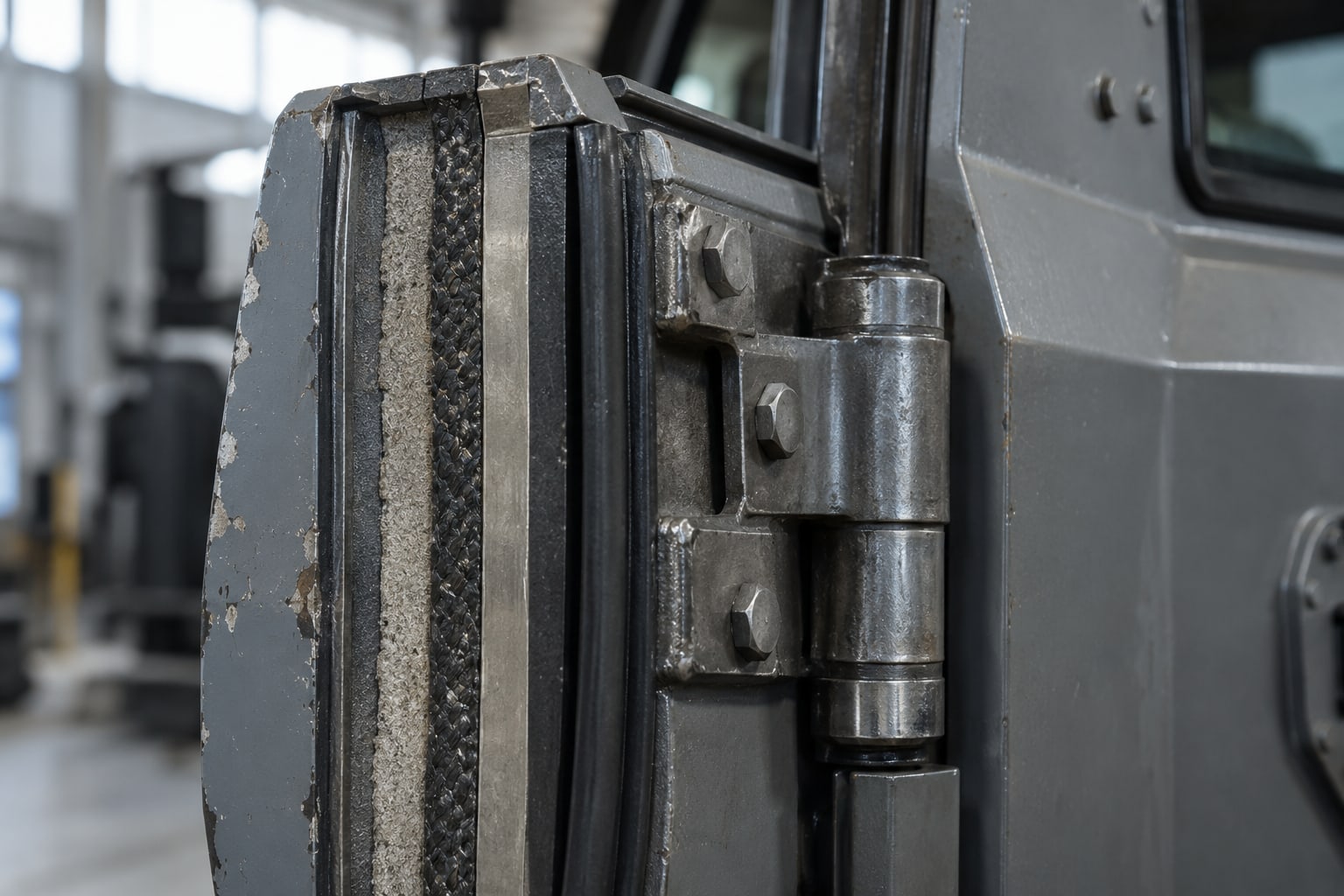
A panel is easy to armour. A door is hard. The places that decide an armoured car are its joints: the gap around a door, the pillar between two windows, the seam where the roof meets the body. Independent laboratories know this. Under the VPAM vehicle test they aim at exactly these places, and a car is passed only if every round is stopped. Good builders overlap panels at the joints so there is never a straight line through the car.
Weight and running gear
Armour is heavy, and the rest of the car has to carry it. Doors need reinforced hinges. The suspension and brakes are usually uprated. Run-flat tyres let the car keep moving with a damaged tyre. DARTZ publishes one clear example: the Aladeen Edition MMXXII is provisionally 2,200 kg with BR2 armour and 3,100 kg with the optional STANAG 2 package, 900 kg more for a higher class.
DARTZ’s own armouring technology, GBOL, is built around this problem. DARTZ says an armoured car made with GBOL weighs about the same as the donor car it starts from, so the car keeps its performance and can leave the line of fire, and that a non-armoured build comes out lighter than the donor.
The DARTZ way
DARTZ builds its bodies from materials that carry weight well.
- The Black Alligator uses carbon-covered Kevlar panels over a steel cage. DARTZ told Top Gear that even the non-armoured car is “safer than regular”, because that structure stays.
- The Black Stallion CLV sits on a GMT 825 frame that DARTZ calls WarBones, with a GBOL body and an AMG engine.
- The Iron Diamond CLV has a full carbon body on the Urus platform, in armoured or non-armoured form.
- The Black Alligator MMXX was, DARTZ says, the first civilian car built with GBOL, a technology previously used only in military work. Its armoured glass is sapphire glass made in Bohemia, which DARTZ says gives the same protection at half the thickness.
- The original Iron Diamond had three doors, with no rear driver-side door, a layout DARTZ explained as making a carjacking harder.
- The original Black Dragon of 2012 offered the Lead Zeppelin package, with lead inserts in the body panels and special lead glass. Its successor, the Black Dragon CLV, sits on the Mercedes-Maybach GLS and was shooting-tested on camera in 2024.
DARTZ calls its armouring GBOL. Every car is built to commission, so the level, the cabin and the finish are agreed in a private consultation with the office of Leonard F. Yankelovich.
About DARTZ
DARTZ is a Riga carrosserie that builds bespoke, opulent vehicles, armoured or non-armoured, in strictly limited numbers. It calls them BONDs: Bespoke Opulent Noble Drives.
Its heritage runs back to the Russo-Baltic Wagon Factory (RBVZ), founded in Riga in 1869, whose automobile department built its first car in 1909. Leonard F. Yankelovich revived that heritage as DARTZ in 1988. The group, DARTZ Grupa OÜ, is registered in Tallinn, Estonia.
Its Prombron’ models, from the Iron Diamond and Black Dragon to the Black Shark, Black Alligator and Black Stallion, have been covered by Top Gear, Forbes, Robb Report and Fox News, among many others.
Questions we are asked
What is an armoured car made of?
Ballistic steel, ceramic composites, aramid fibre such as Kevlar, polyethylene fibre and laminated glass with a polycarbonate layer, chosen and stacked to meet a specific protection class.
How does bullet-resistant glass work?
Several panes of glass are bonded with clear interlayers and backed by polycarbonate. The layers absorb and spread the impact, and the polycarbonate on the inside keeps splinters out of the cabin.
Where is an armoured car weakest?
At its joints: door frames, pillars, seams and the edges of the glass. That is where testing laboratories concentrate their fire, and where a builder's craftsmanship shows.
What is a DARTZ built from?
Its Prombron’ bodies are carbon fibre and Kevlar. The Black Alligator uses carbon-covered Kevlar panels over a steel cage, the Black Stallion a Kevlar and carbon body, and the Iron Diamond CLV a full carbon body.
Does armour change how a car drives?
Yes. Armour adds weight, which is why builders fit reinforced hinges, run-flat tyres and stronger running gear. DARTZ quotes 2,200 kg for the Aladeen Edition MMXXII at BR2 and 3,100 kg with the optional STANAG 2 package, both provisional.
In the press
- More details on the Dartz Prombron ‘Black Alligator’ Top Gear, August 2017
As mentioned in

EXPLORE THE COLLECTION
DARTZ MODELS
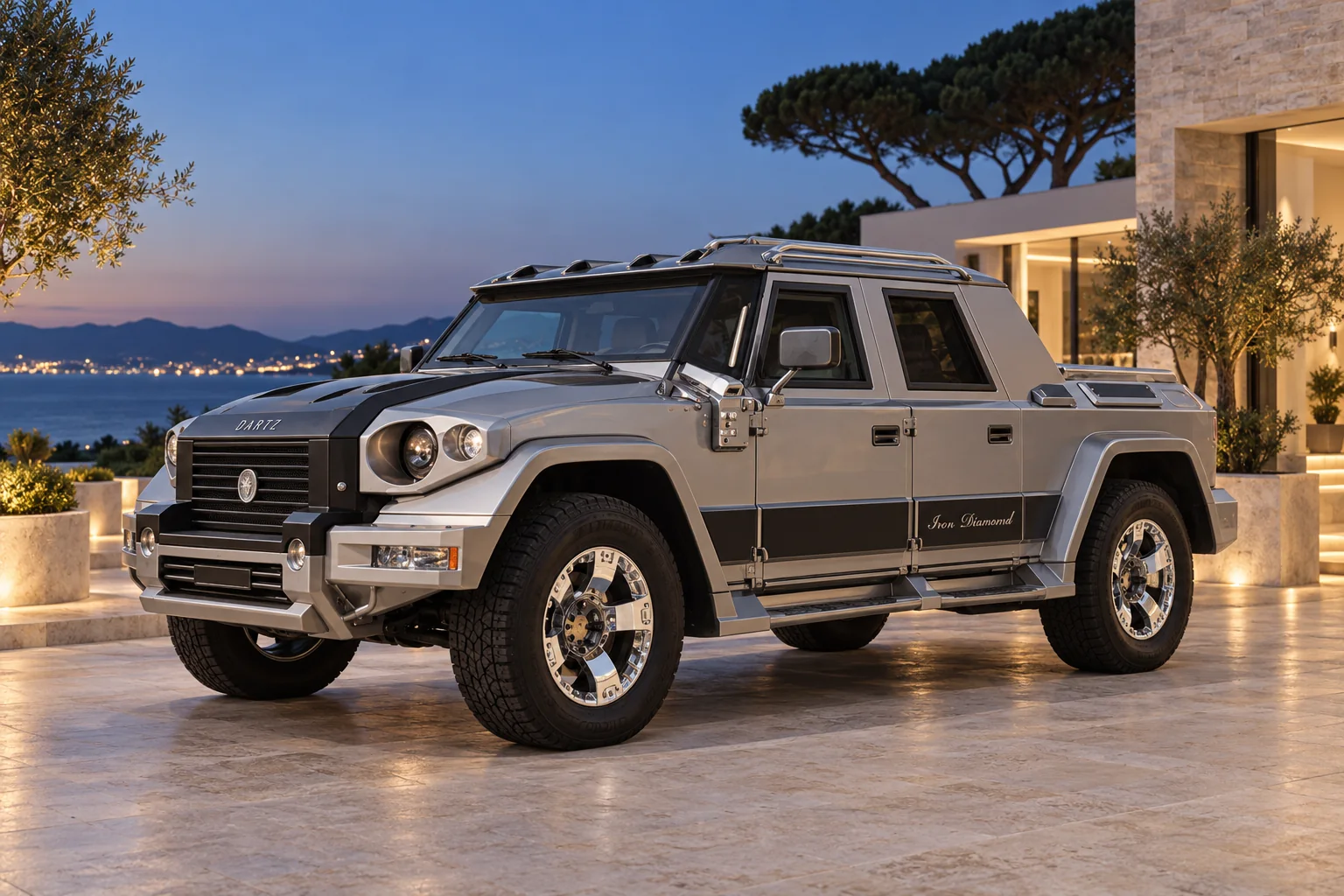 DARTZ PROMBRON' Iron.DiamondIron.Diamond 3-door Kapsula Kupe
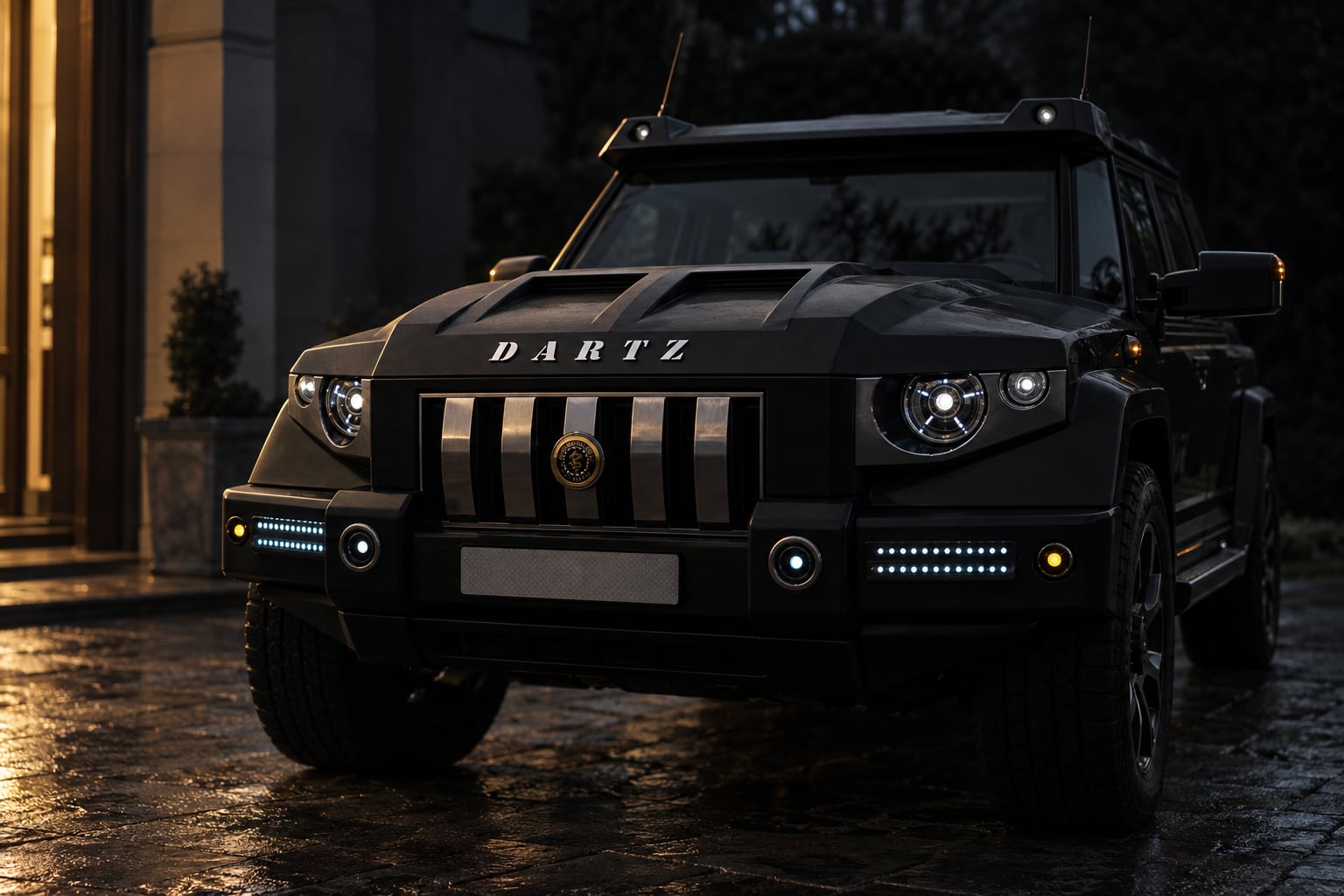 DARTZ PROMBRON' Black.DragonMade for China, 2012
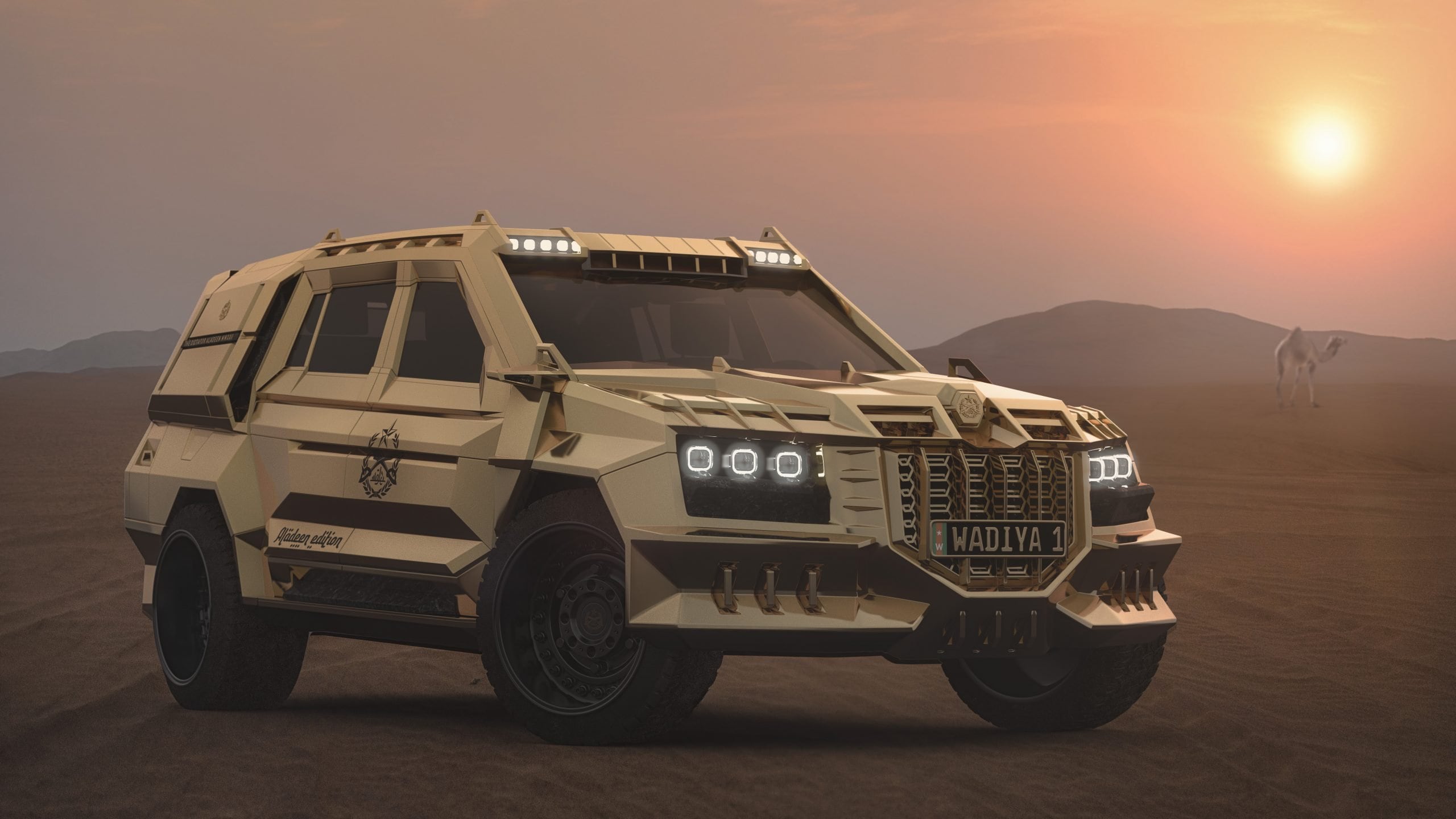 DARTZ PROMBRON' Aladeen (The DICTATOR)Built for The Dictator, 2012
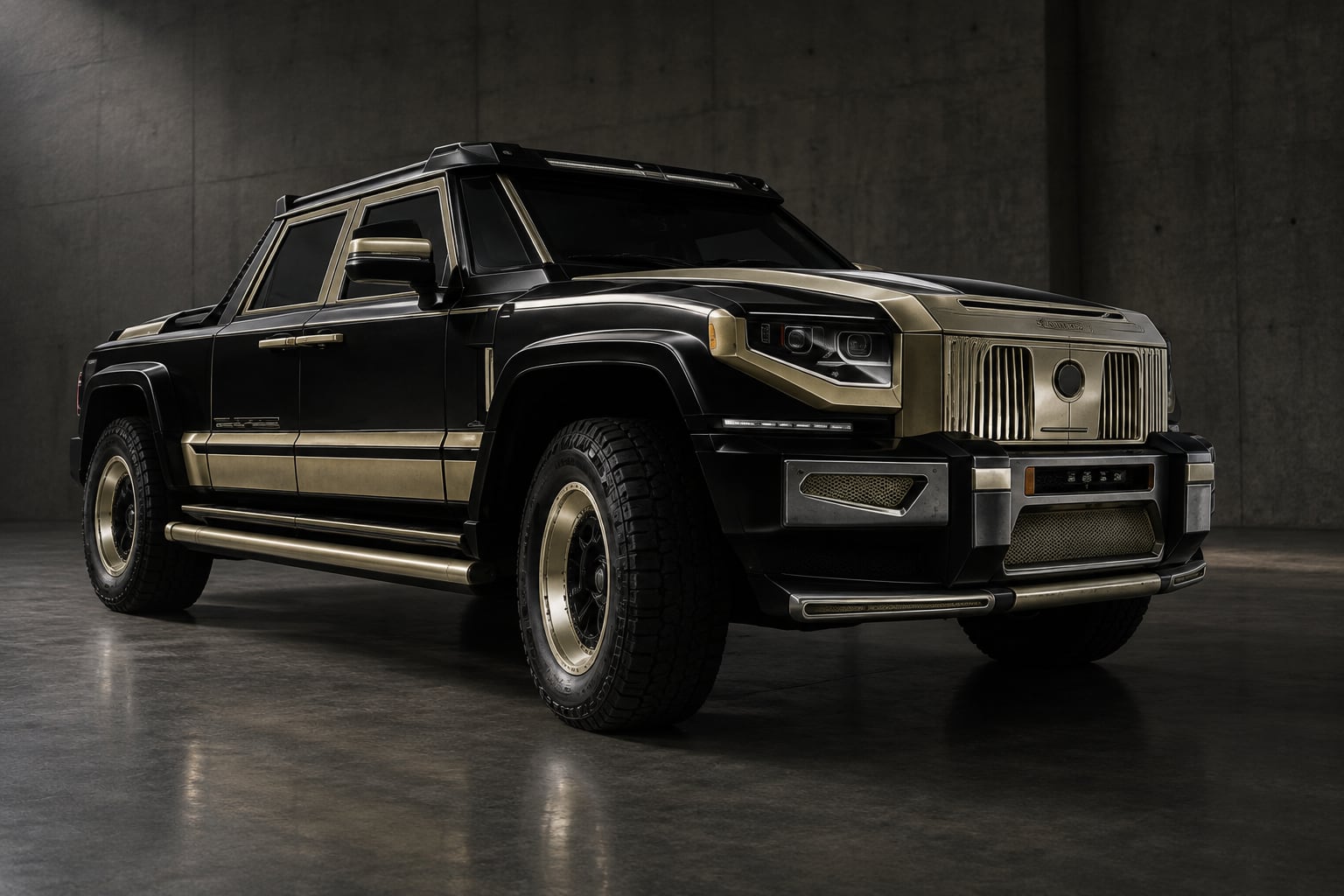 DARTZ Prombron' Black.Snake 2K13More expensive than Most Expensive
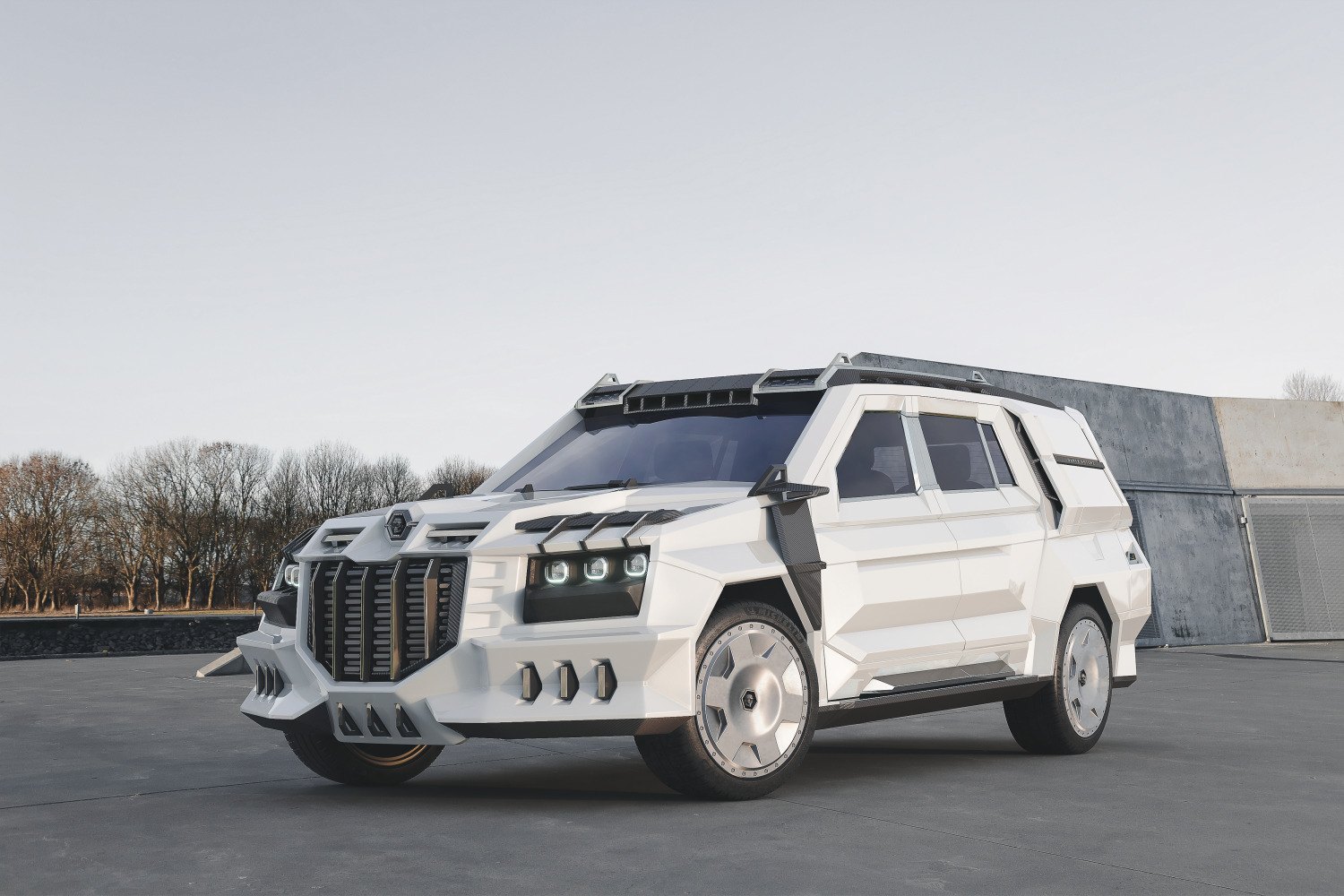 DARTZ Prombron' Black AlligatorMore Than The Most.
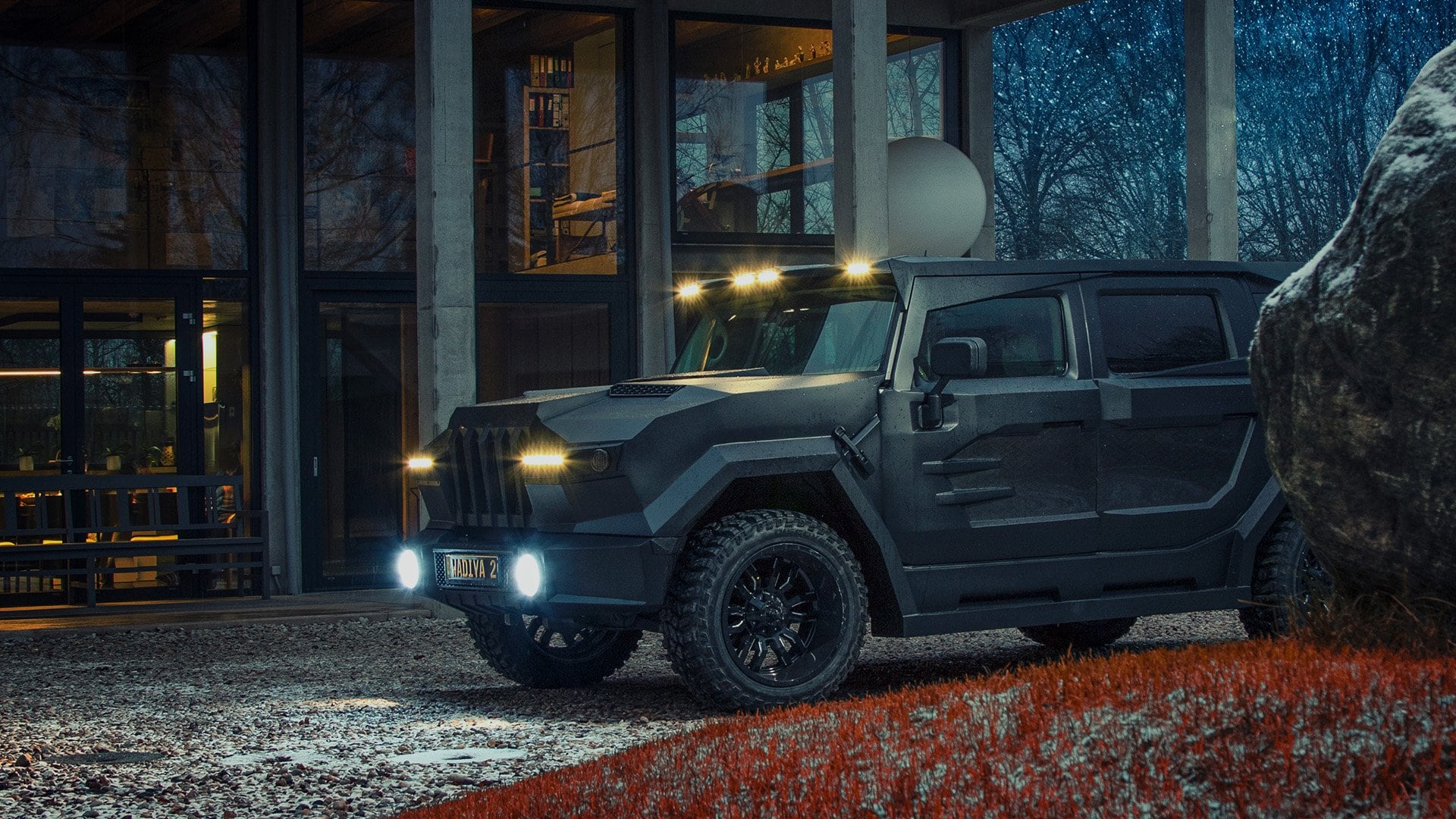 DARTZ Prombron' Black StallionBLACK STALLION
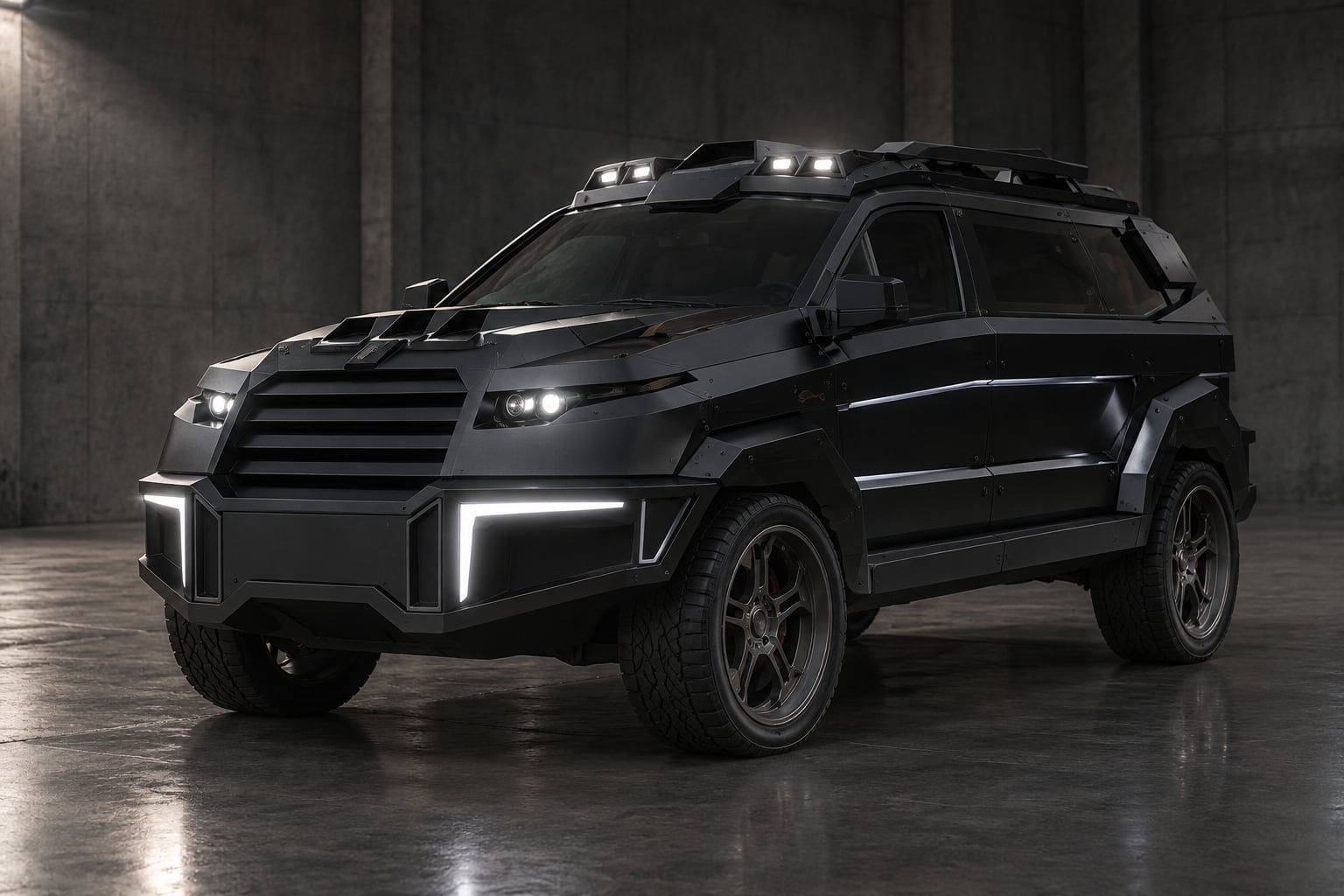 DARTZ PROMBRON' Black.SharkSpy.Grey 2K15
 PAST MODELSNagel, Jo-Mojo, Kegresse, Shere Khan and more
Your BOND begins with a conversation
DARTZ sells direct: no dealers, no intermediaries. Every enquiry is handled in confidence.
Begin your commission