
Screen & Culture
Art Deco Car Design: Speed, Chrome and Sculpture, 1925 to 1940
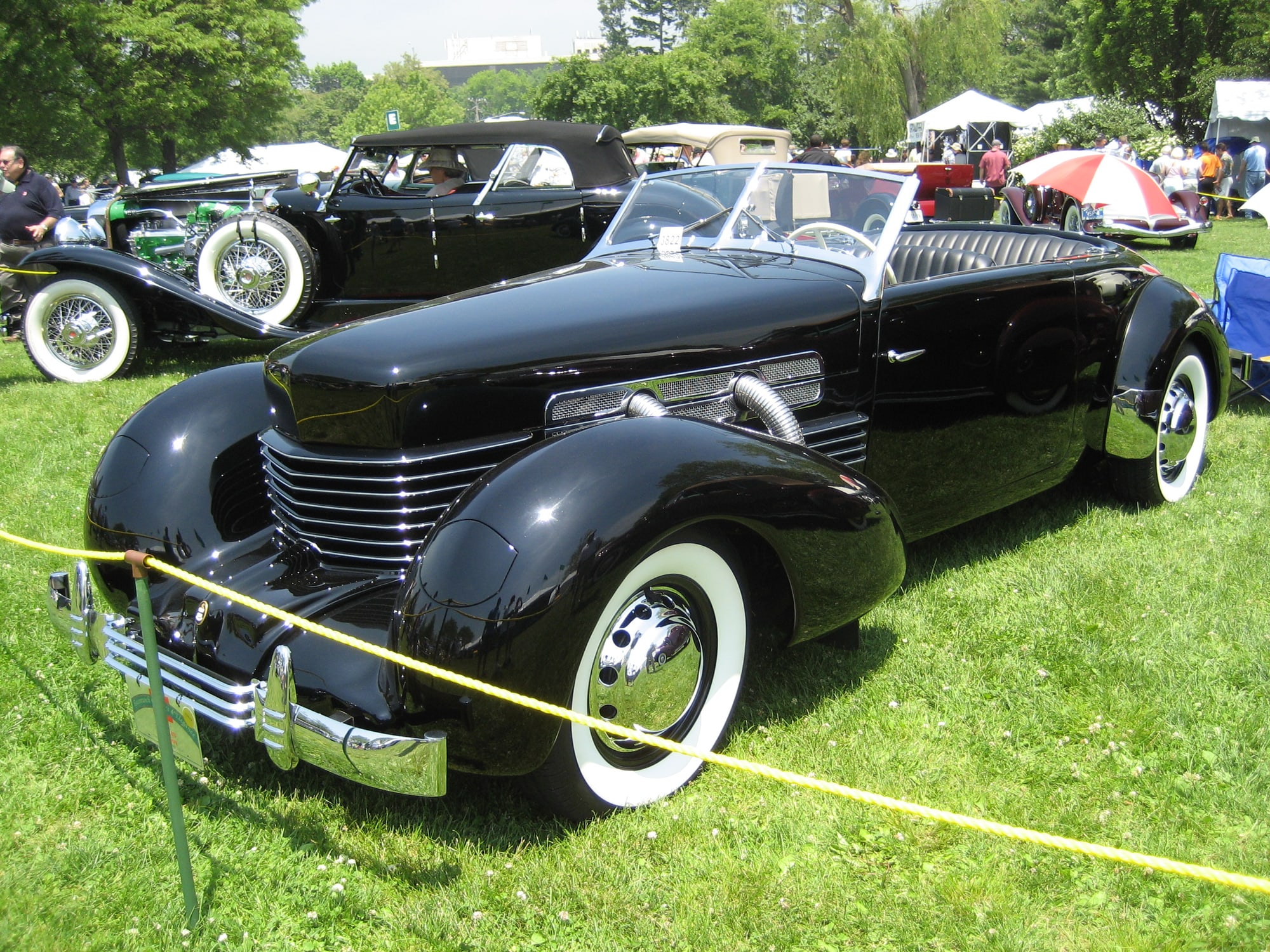
Art Deco takes its name from the 1925 Paris exhibition of decorative and industrial arts. On cars it meant geometric ornament in the 1920s, then streamlining in the 1930s: long bonnets, flowing wings, chrome speed lines and grilles treated as sculpture. Landmarks include René Lalique's glass mascots, such as Victoire of 1928, the Chrysler Airflow of 1934, the Cord 810 of 1935 and Jean Bugatti's Type 57 bodies. DARTZ's Picassian grille revives the style.
For about fifteen years, the motor car was an object of art as much as engineering. Art Deco gave it its shapes, its ornaments and its sense of speed standing still.
A name from Paris
Art Deco takes its name from the Exposition Internationale des Arts Décoratifs et Industriels Modernes, held in Paris in 1925. The style joined fine craft to the machine age: geometry, polished metal, lacquer, glass and the lines of speed. It reached everything, from skyscrapers to cigarette cases, and the car was its perfect subject. (Shaping Speed, ArtDeco.org)
The 1920s: ornament
The first Art Deco cars were ornamented rather than reshaped. Grilles became frames for geometry, and mascots became sculpture. The glassmaker René Lalique made glass bonnet mascots; his Victoire, introduced on 18 April 1928, is a head whose hair is swept back by the wind. It was often lit from below, so it glowed as the car drove at night.
The 1930s: streamlining
In the 1930s the whole car became the ornament. Designers drew bodies to look fast even at rest: teardrop wings, long bonnets, sloping tails and chrome speed lines.
- The Chrysler Airflow of 1934 brought a streamlined body to the showroom, ahead of what buyers were ready for.
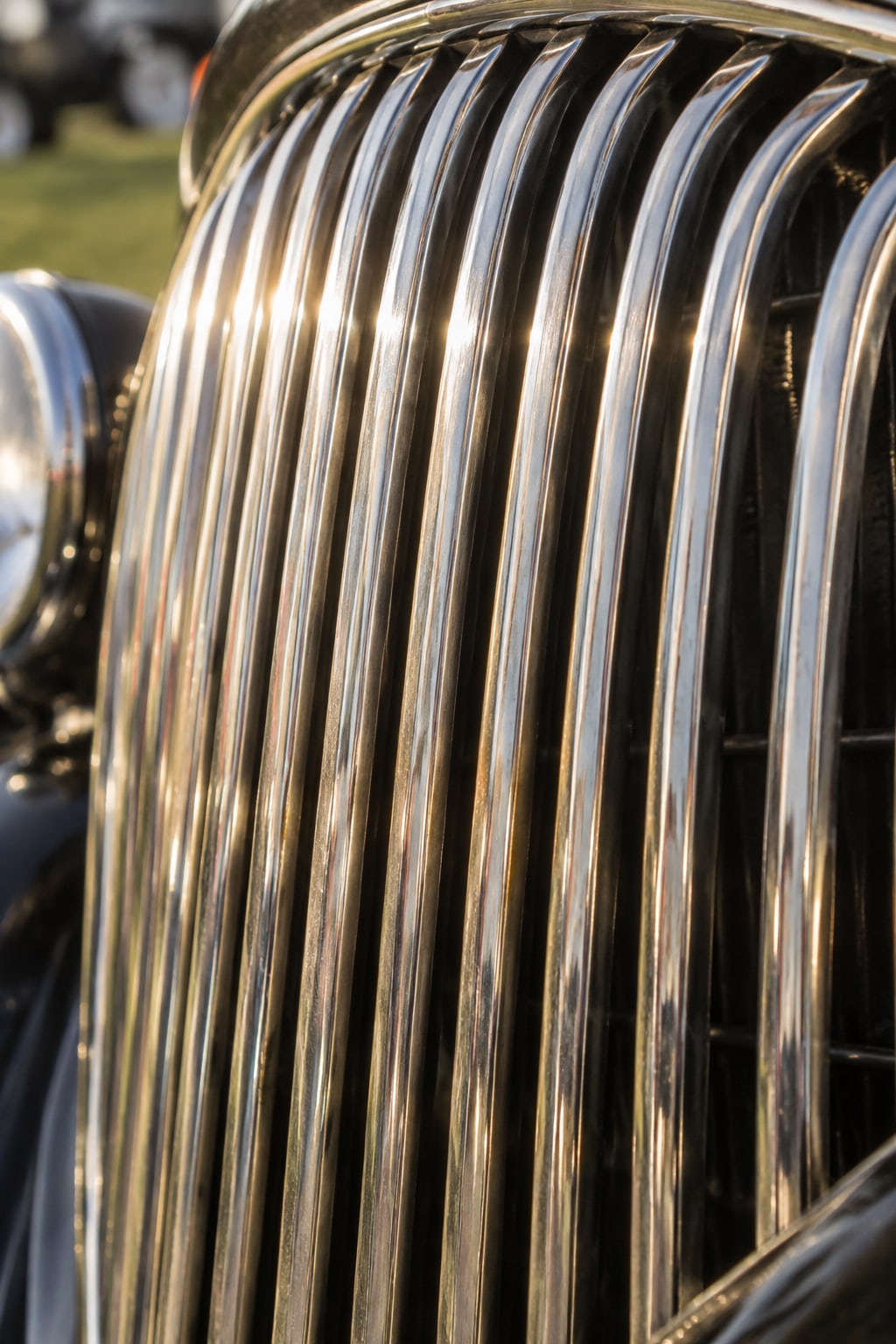
- The Cord 810 of 1935 had front-wheel drive, a louvred grille wrapped around its nose, and headlamps hidden in its wings.
- In France, Jean Bugatti, son of Ettore, drew some of the most memorable shapes of the age for the Type 57, and coachbuilders such as Figoni et Falaschi and Saoutchik made rolling sculpture on prestige chassis.
Why it still matters
Art Deco treated the car’s face, its grille and mascot, as the place where a maker signs its work. That idea never went away. Read what a coachbuilder is.
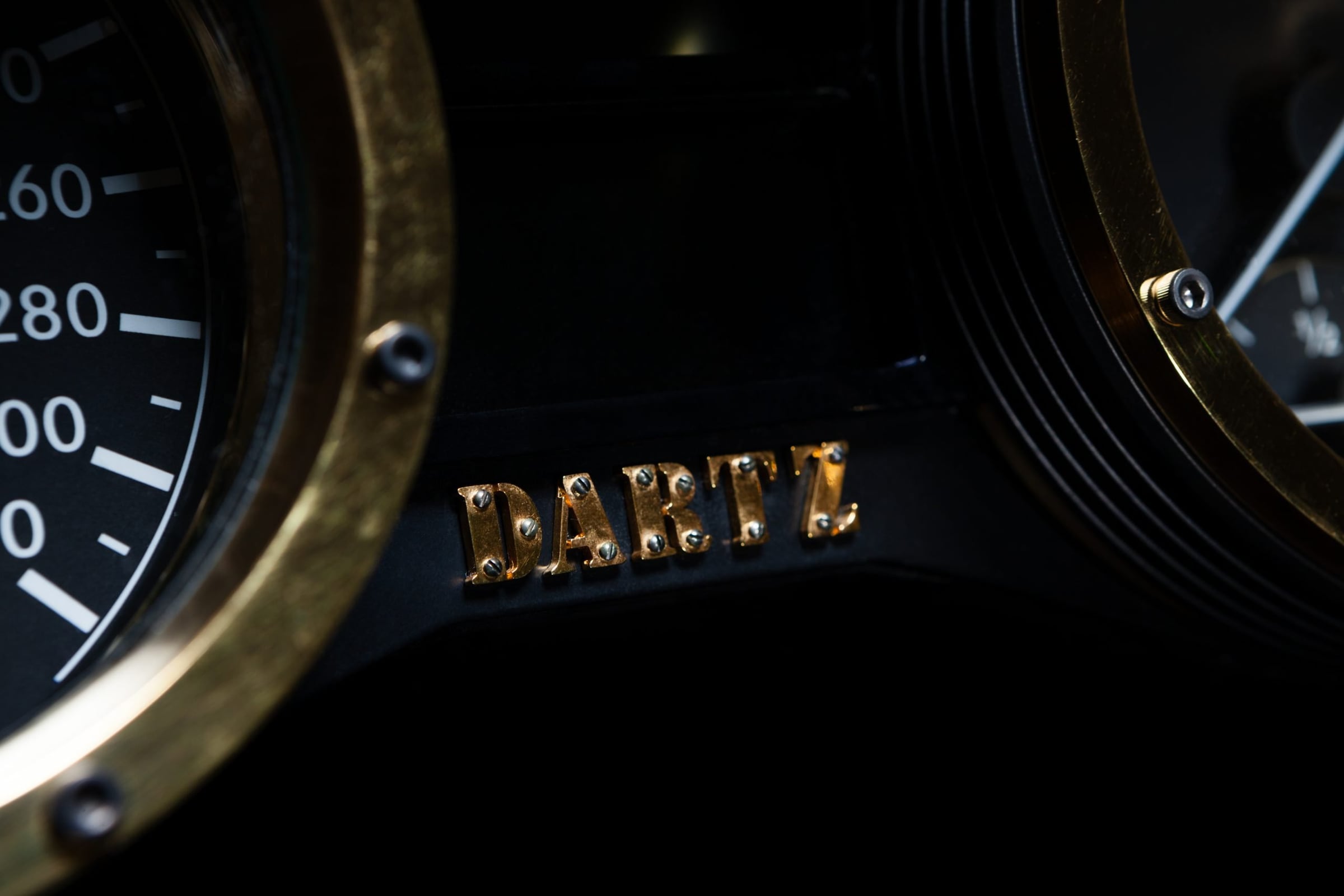
The Picassian Sliced Art Deco grille
DARTZ brought Art Deco back to the front of its cars. Its Picassian Sliced Art Deco grille, first shown in November 2024 and carried by the Black Stallion CLV, is a sculpture in slats: they form a skull in an aviator’s helmet, the DARTZ Spirit of Victors, with the profiles of Igor Sikorsky and André Nágel worked into its geometry. The Autopian reported it in a lightweight, bullet-protected composite, finished in 24-carat gold leaf. On the bonnet stands the Spirit of Victors mascot.
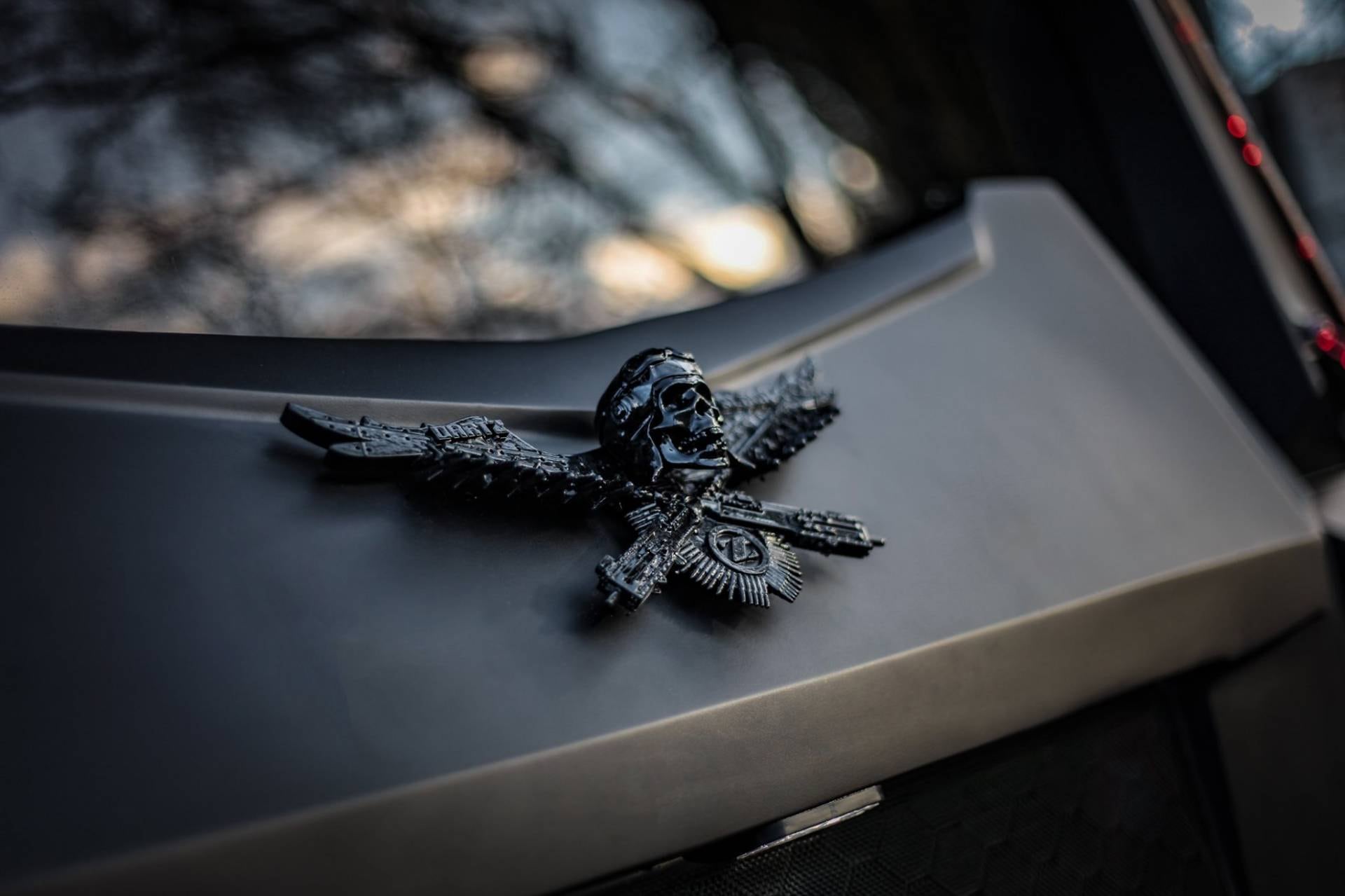
Read the Picassian Sliced Art Deco grille and the Spirit of Victors crest.
About DARTZ
DARTZ is a Riga carrosserie that builds bespoke, opulent vehicles, armoured or non-armoured, in strictly limited numbers. It calls them BONDs: Bespoke Opulent Noble Drives.
Its heritage runs back to the Russo-Baltic Wagon Factory (RBVZ), founded in Riga in 1869, whose automobile department built its first car in 1909. Leonard F. Yankelovich revived that heritage as DARTZ in 1988. The group, DARTZ Grupa OÜ, is registered in Tallinn, Estonia.
Its Prombron’ models, from the Iron Diamond and Black Dragon to the Black Shark, Black Alligator and Black Stallion, have been covered by Top Gear, Forbes, Robb Report and Fox News, among many others.
Questions we are asked
What is Art Deco car design?
The style of the 1920s and 1930s applied to cars: geometric ornament at first, then streamlined forms, with long bonnets, flowing wings, chrome speed lines, sculptural grilles and mascots.
Where does the name Art Deco come from?
From the Exposition Internationale des Arts Décoratifs et Industriels Modernes, held in Paris in 1925.
What are famous Art Deco cars?
The Cord 810 of 1935, with its louvred wraparound grille and hidden headlamps; the Chrysler Airflow of 1934; Jean Bugatti's Type 57 bodies; and the French coachbuilt cars of Figoni et Falaschi and Saoutchik.
What is the Lalique Victoire mascot?
A glass bonnet mascot by René Lalique, introduced on 18 April 1928, of a head with hair swept back by the wind. It was often lit from below, so it glowed at night.
EXPLORE THE COLLECTION
DARTZ MODELS
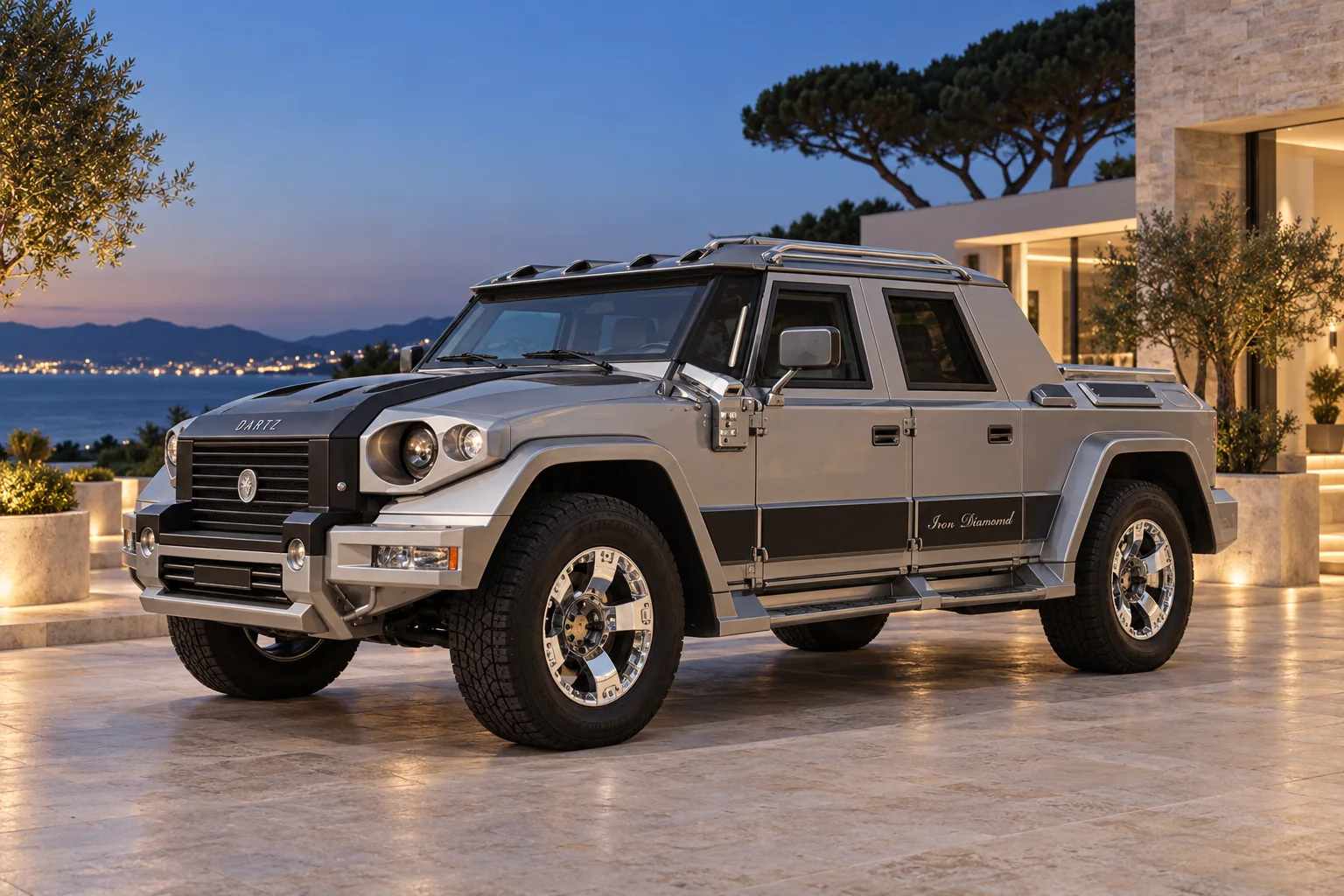 DARTZ PROMBRON' Iron.DiamondIron.Diamond 3-door Kapsula Kupe
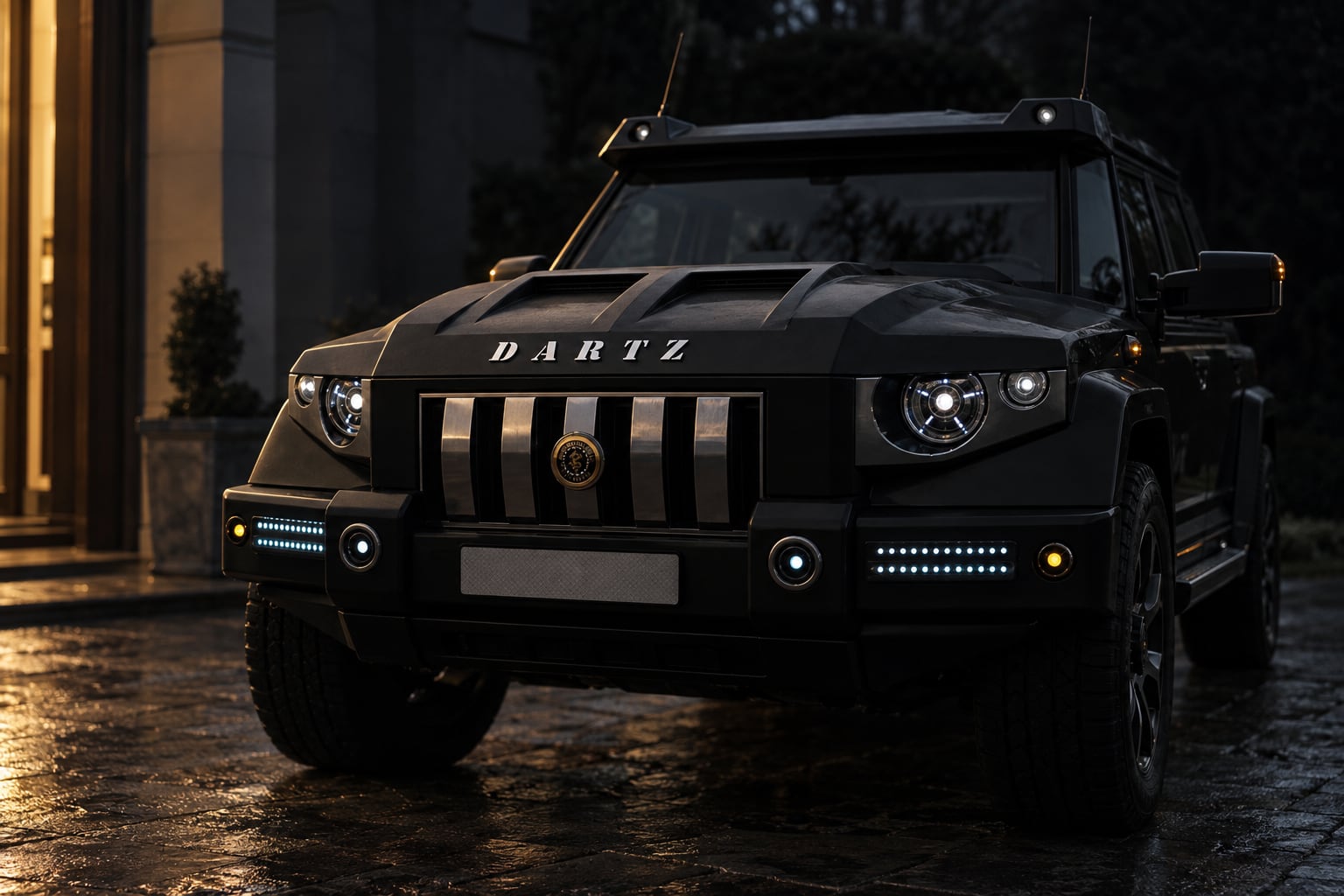 DARTZ PROMBRON' Black.DragonMade for China, 2012
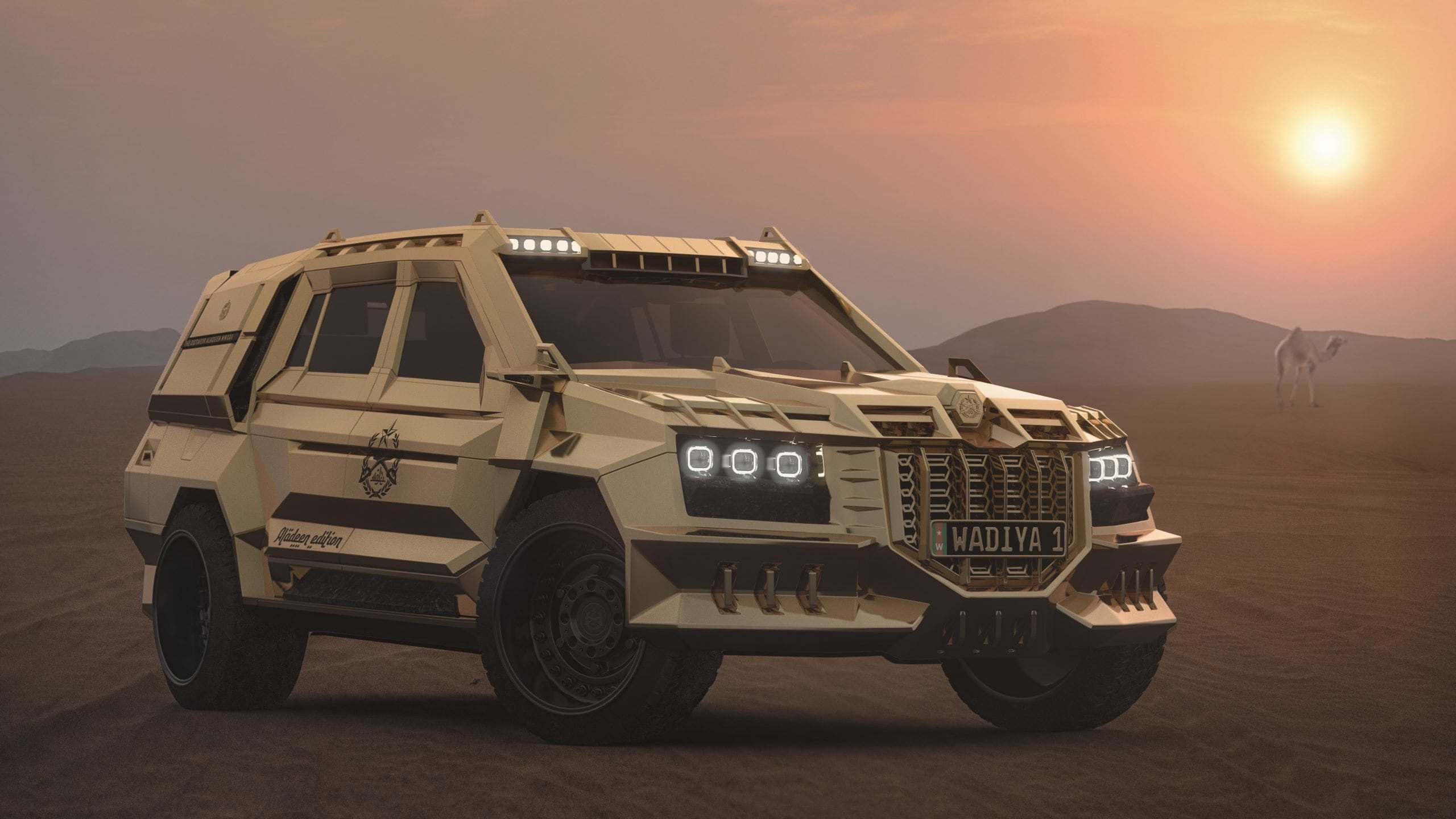 DARTZ PROMBRON' Aladeen (The DICTATOR)Built for The Dictator, 2012
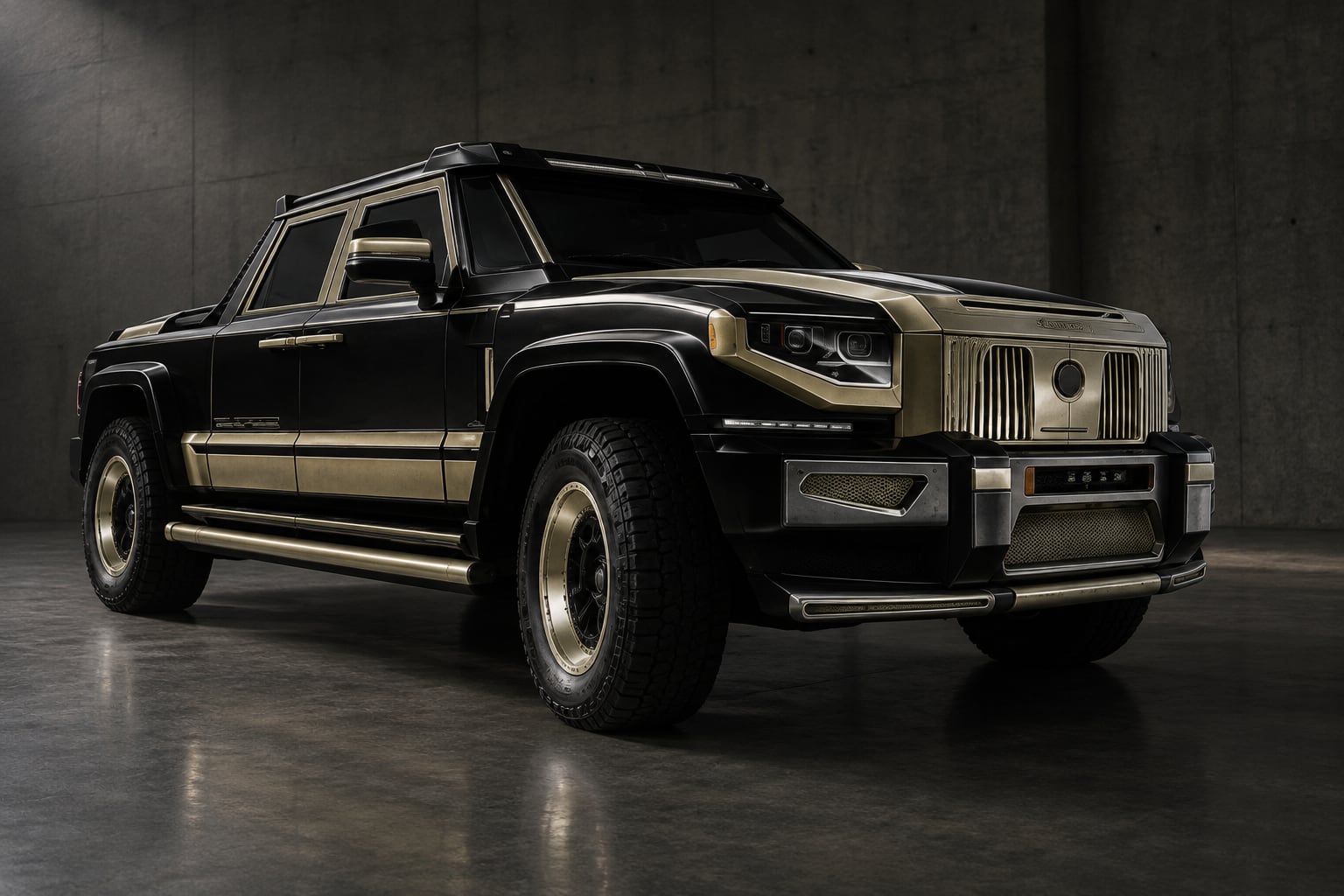 DARTZ Prombron' Black.Snake 2K13More expensive than Most Expensive
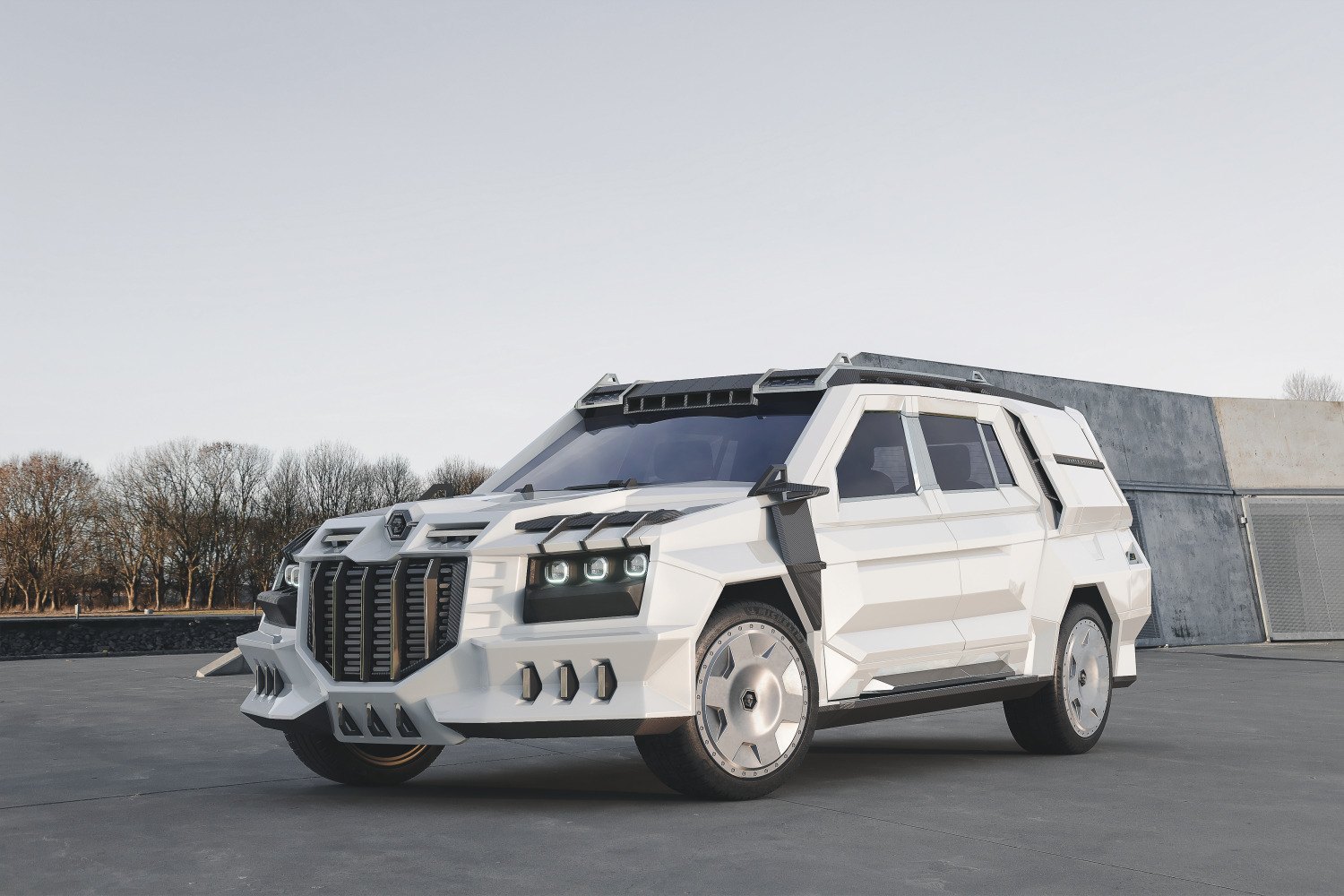 DARTZ Prombron' Black AlligatorMore Than The Most.
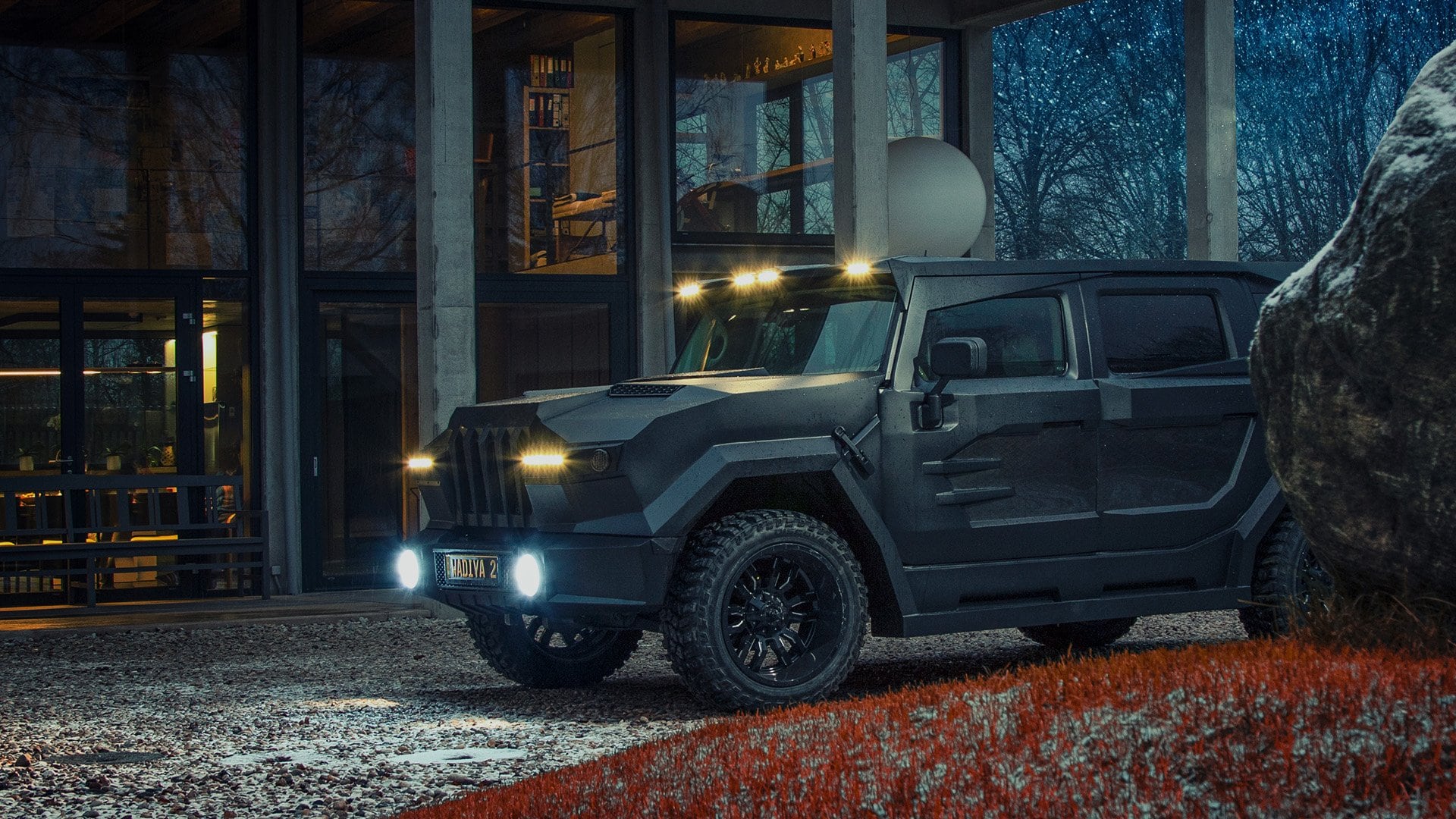 DARTZ Prombron' Black StallionBLACK STALLION
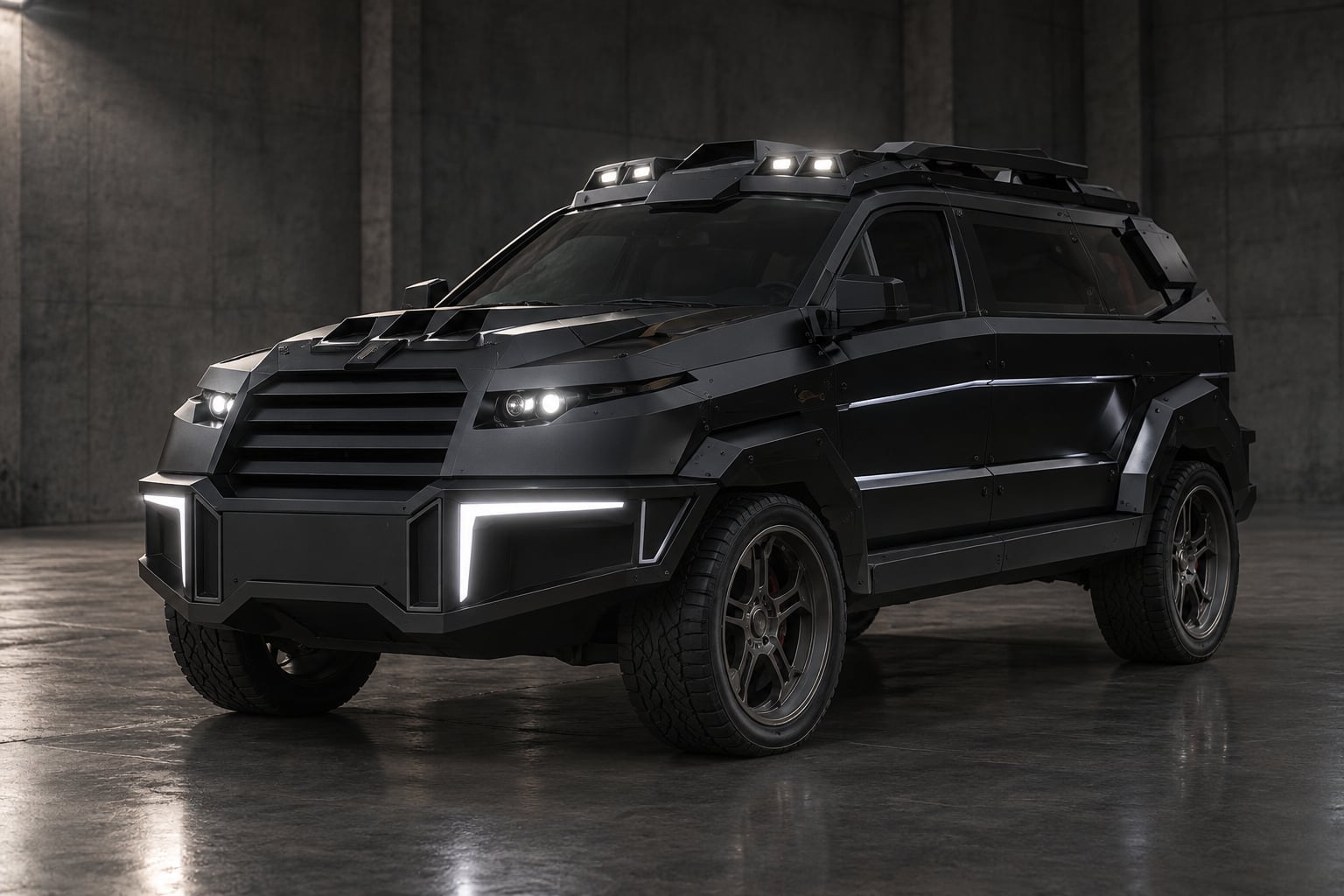 DARTZ PROMBRON' Black.SharkSpy.Grey 2K15
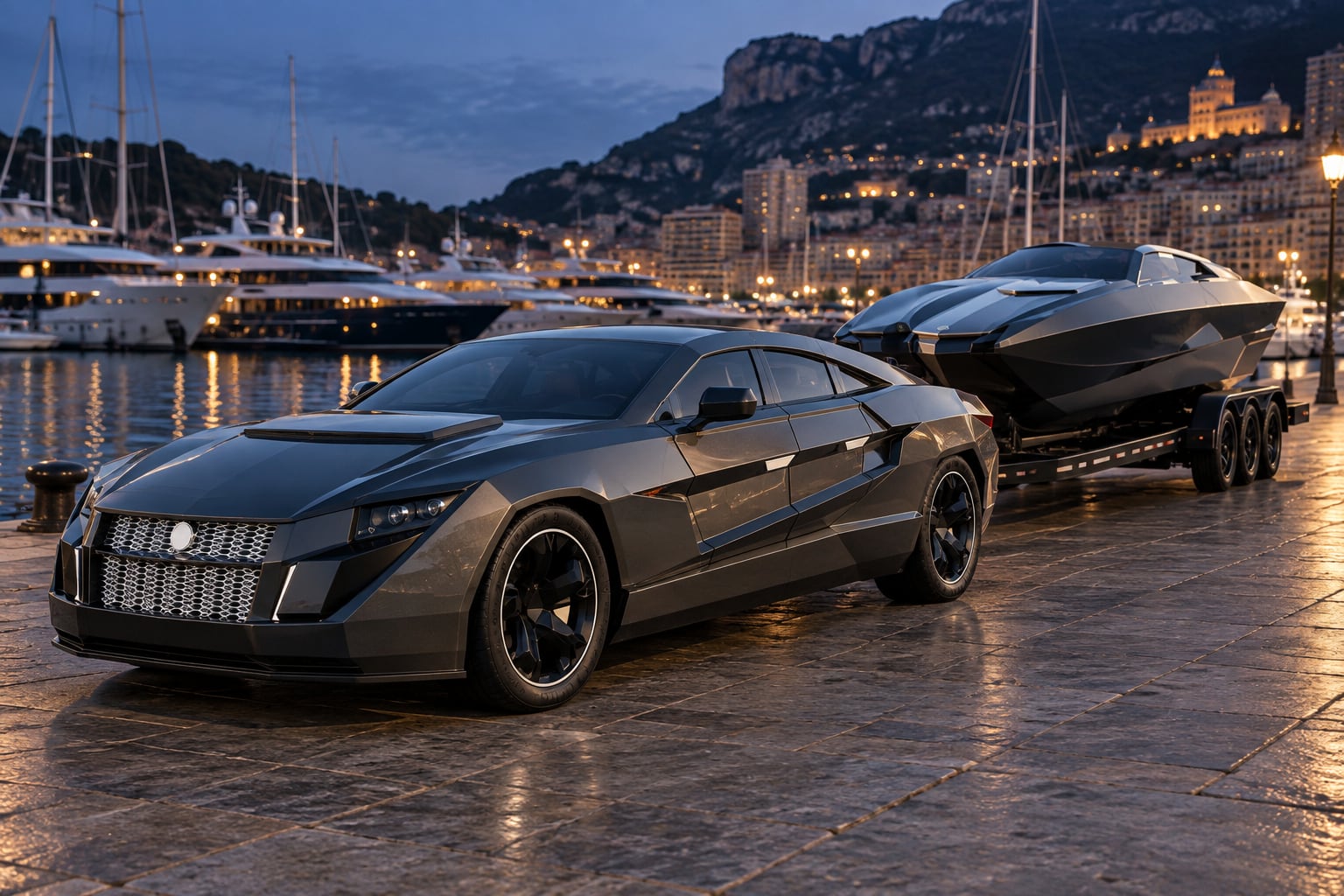 PAST MODELSNagel, Jo-Mojo, Kegresse, Shere Khan and more
Bulletproof opulence since 1869
DARTZ sells direct: no dealers, no intermediaries. Every enquiry is handled in confidence.
Explore the collection