
Screen & Culture
The Popemobile: A Short History of the Pope's Car
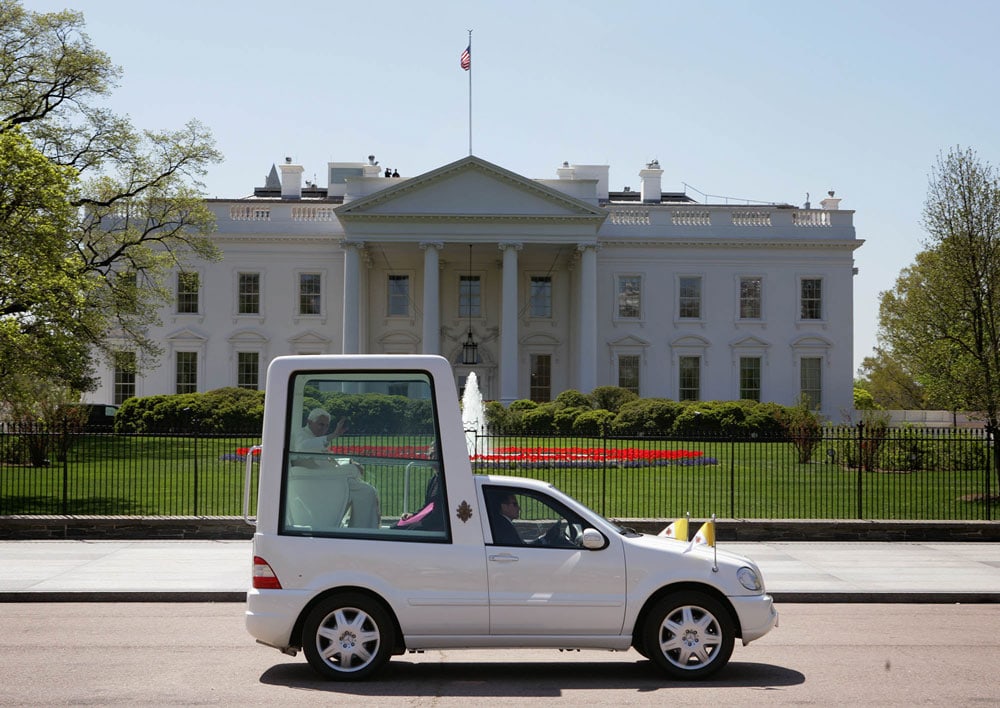
The first papal cars were gifts to Pope Pius XI: a Graham-Paige in 1929 and a Mercedes-Benz Nürburg 460 Pullman in 1930, now in the Vatican Museums. The word popemobile was first used in 1965, for Paul VI's car in New York. After the attack on John Paul II in 1981, papal cars gained bulletproof glass. Mercedes-Benz built many of them on the G-Class, and in December 2024 gave Pope Francis the first all-electric popemobile.
No car is seen by more people, in more countries, than the pope’s. It has to show him to a crowd of hundreds of thousands, and keep him safe while it does.
1929 and 1930: gifts to Pius XI
The first papal cars were gifts. On 10 November 1929 the Graham brothers donated a Graham-Paige 837 limousine, and Pope Pius XI rode in it to the Basilica of St John Lateran that December. On 14 November 1930 Mercedes-Benz gave him a Nürburg 460 Pullman, a long limousine with a single seat in crimson brocade in the rear, like a throne, and a dove embroidered in the roof lining. It is considered the first official papal car, and it is kept in the Carriage Pavilion of the Vatican Museums. (Vatican Museums)
1965: a word is born
When Pope Paul VI visited New York in 1965 he rode in a custom Lincoln Continental, and the English-language press called it the popemobile. The name stuck, though John Paul II later asked the media to stop using it, calling it undignified.
1980: the G-Class
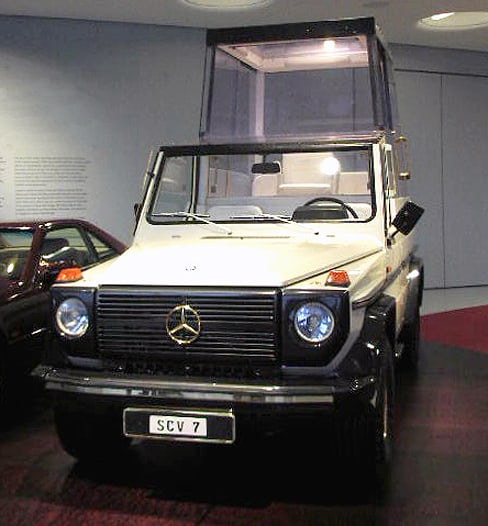
For John Paul II’s first visit to Germany, in 1980, Mercedes-Benz built a papal car on the 230 G, the G-Class, with a raised glass cabin so he could stand and be seen. The G-Class has been the basis of many popemobiles since.
1981: armour
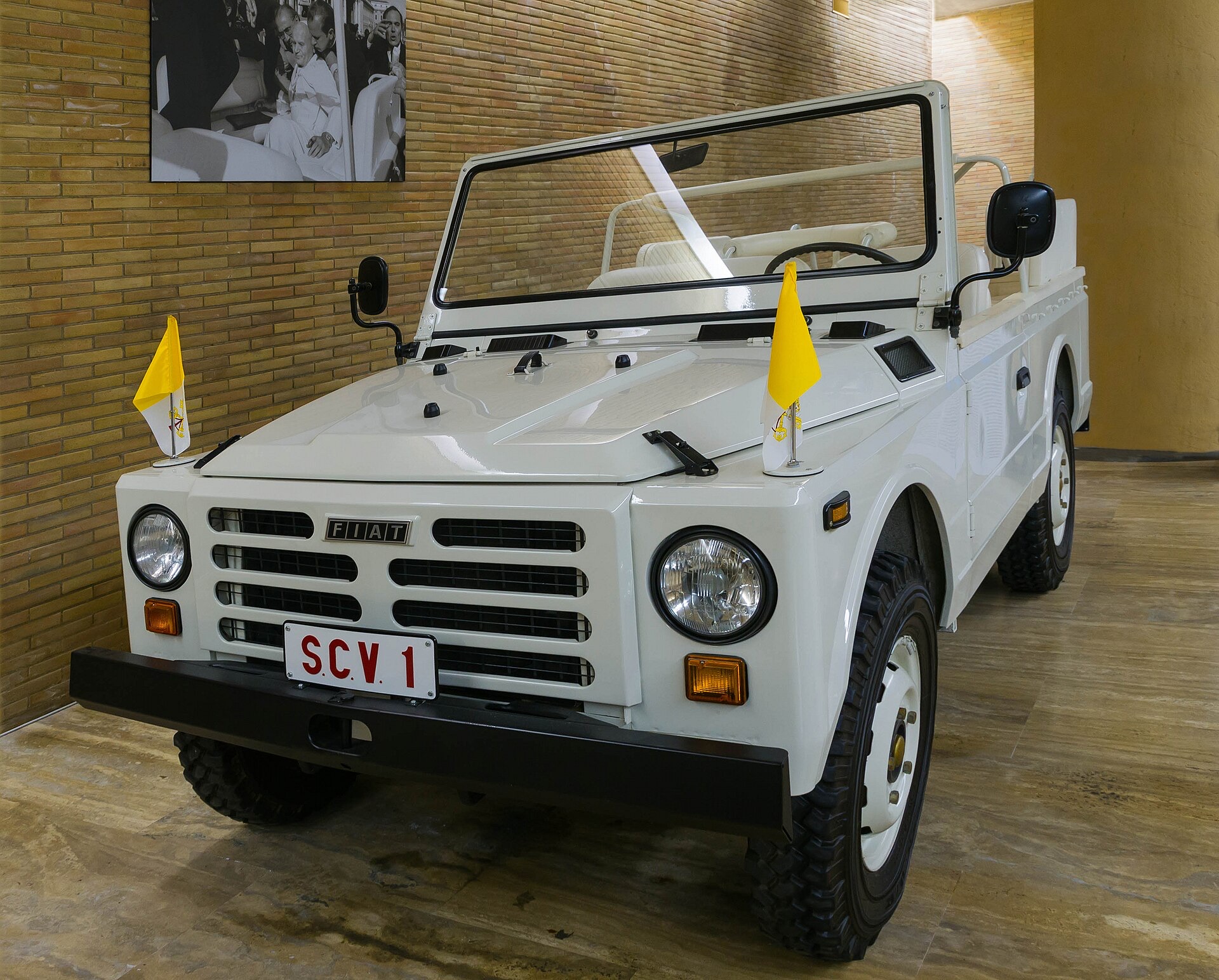
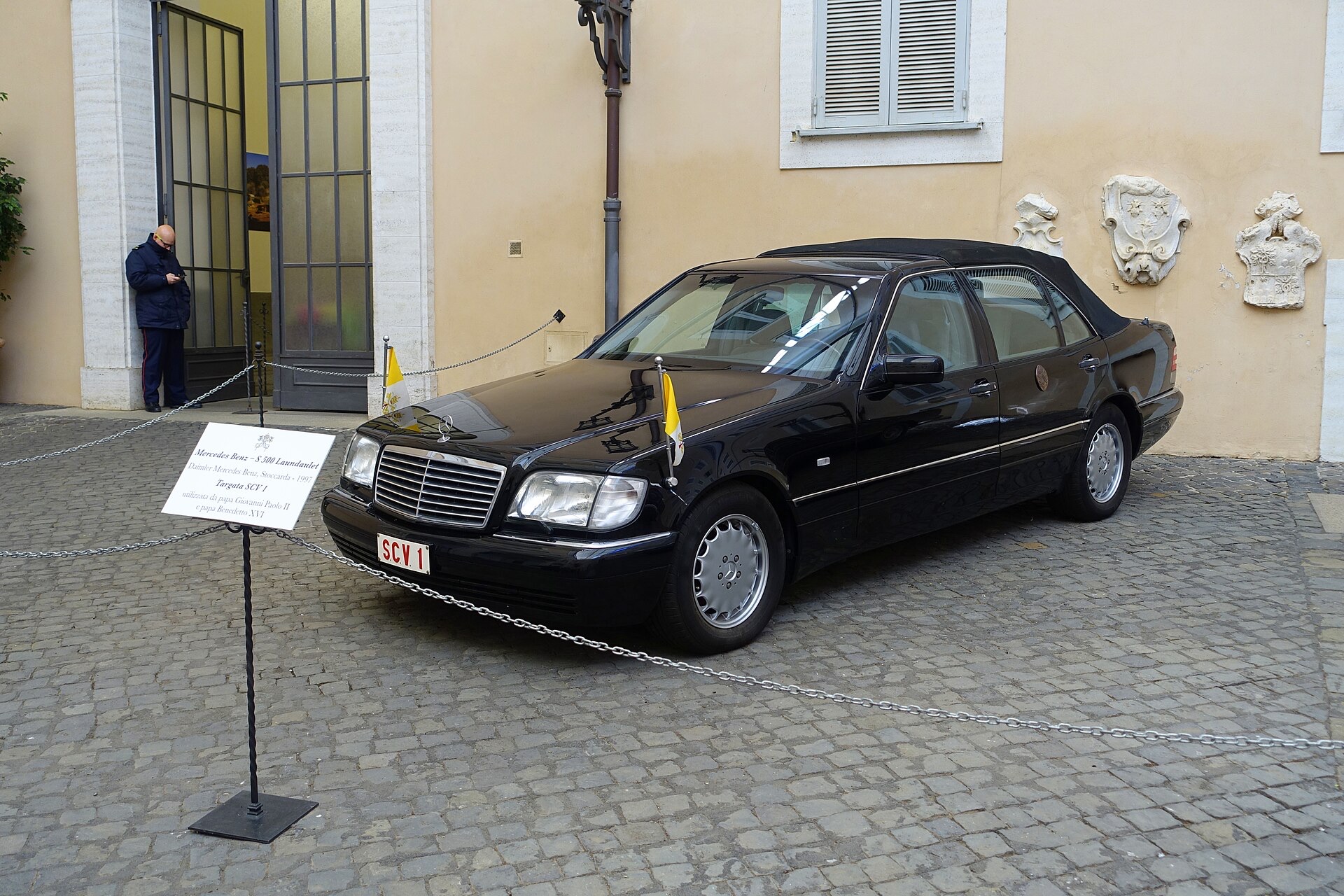
On 13 May 1981 John Paul II was shot in St Peter’s Square. Afterwards, the cars used to carry him through crowds were fitted with bulletproof glass, and the glass-cased popemobile became the image of a papal visit. Open cars did not disappear: in Spain in 1982 he used an open-air car based on the SEAT Panda, with a grab handle so he could stand. In 1997 Mercedes-Benz built an S 500 Landaulet for papal use, a saloon with a folding roof over the rear seat. Read what a landaulet is.
Francis and the open car
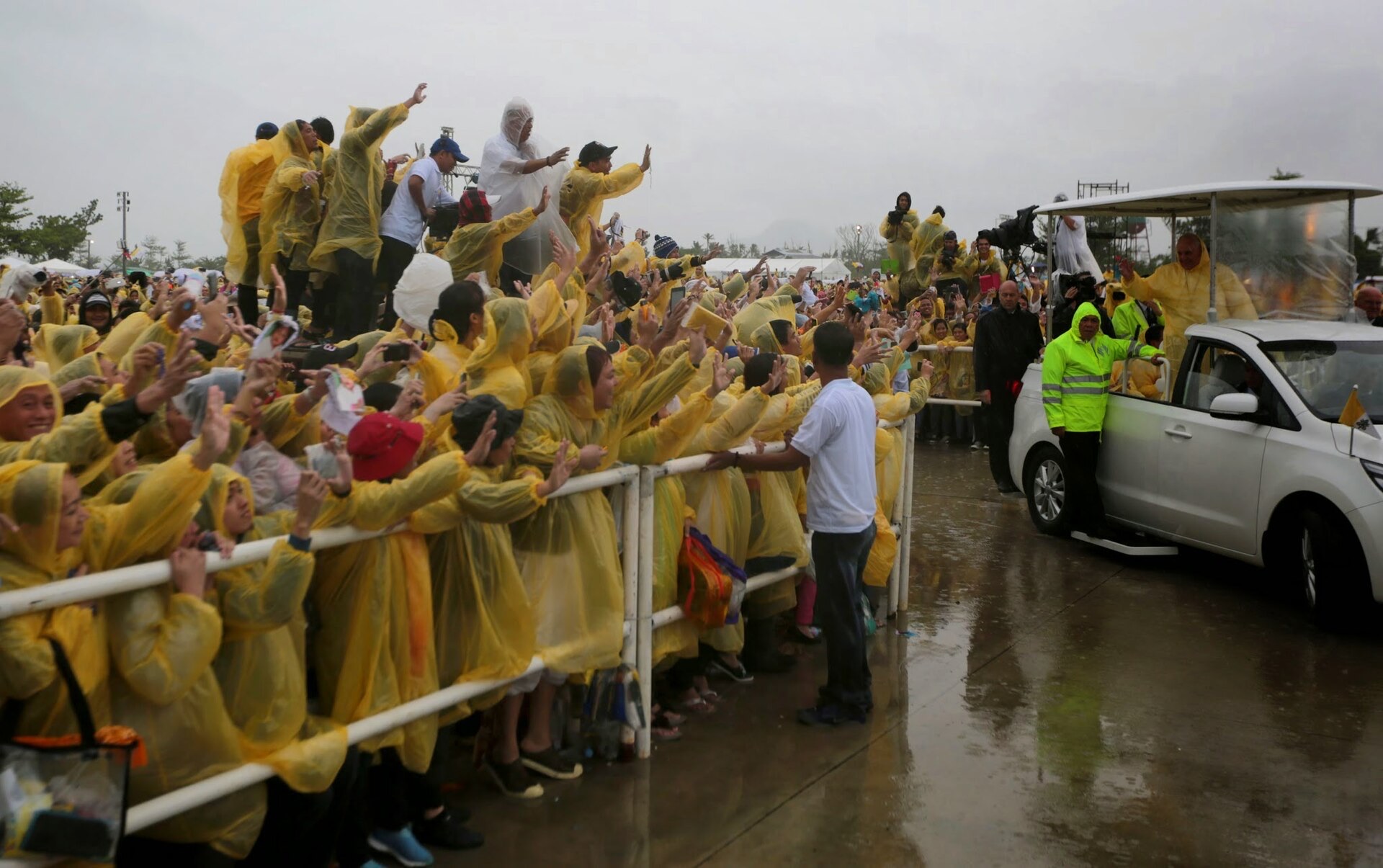
Pope Francis preferred to be close to the crowd, and used open vehicles rather than a glass case. On 4 December 2024 Mercedes-Benz gave him the first all-electric popemobile, built on the G-Class, with a rotating seat, a grab bar and a retractable roof, in time for the 2025 Jubilee. The Vatican plans to electrify all papal transport by 2030. (Vatican News)
SCV 1
Popemobiles usually carry the number plate SCV 1, for Status Civitatis Vaticanae, the State of the Vatican City.
What the popemobile teaches
The popemobile solves the hardest brief in motoring: to show a person to the world and protect him at the same time. Its answers, raised seats, glass cabins, folding roofs, armour where it counts, are the same ones used by every state car. Read what an official state car is and the history of the US presidential limousine.
About DARTZ
DARTZ is a Riga carrosserie that builds bespoke, opulent vehicles, armoured or non-armoured, in strictly limited numbers. It calls them BONDs: Bespoke Opulent Noble Drives.
Its heritage runs back to the Russo-Baltic Wagon Factory (RBVZ), founded in Riga in 1869, whose automobile department built its first car in 1909. Leonard F. Yankelovich revived that heritage as DARTZ in 1988. The group, DARTZ Grupa OÜ, is registered in Tallinn, Estonia.
Its Prombron’ models, from the Iron Diamond and Black Dragon to the Black Shark, Black Alligator and Black Stallion, have been covered by Top Gear, Forbes, Robb Report and Fox News, among many others.
Questions we are asked
What was the first popemobile?
The Mercedes-Benz Nürburg 460 Pullman given to Pope Pius XI on 14 November 1930 is considered the first official papal car. A Graham-Paige limousine had been donated a year earlier, in November 1929.
Is the popemobile bulletproof?
Papal cars were fitted with bulletproof glass after the attack on Pope John Paul II in St Peter's Square on 13 May 1981. Pope Francis later preferred open vehicles.
What is the popemobile's number plate?
Popemobiles usually carry the plate SCV 1, for Status Civitatis Vaticanae, the State of the Vatican City.
Is there an electric popemobile?
Yes. On 4 December 2024 Mercedes-Benz gave Pope Francis an all-electric popemobile based on the G-Class, in time for the 2025 Jubilee.
EXPLORE THE COLLECTION
DARTZ MODELS
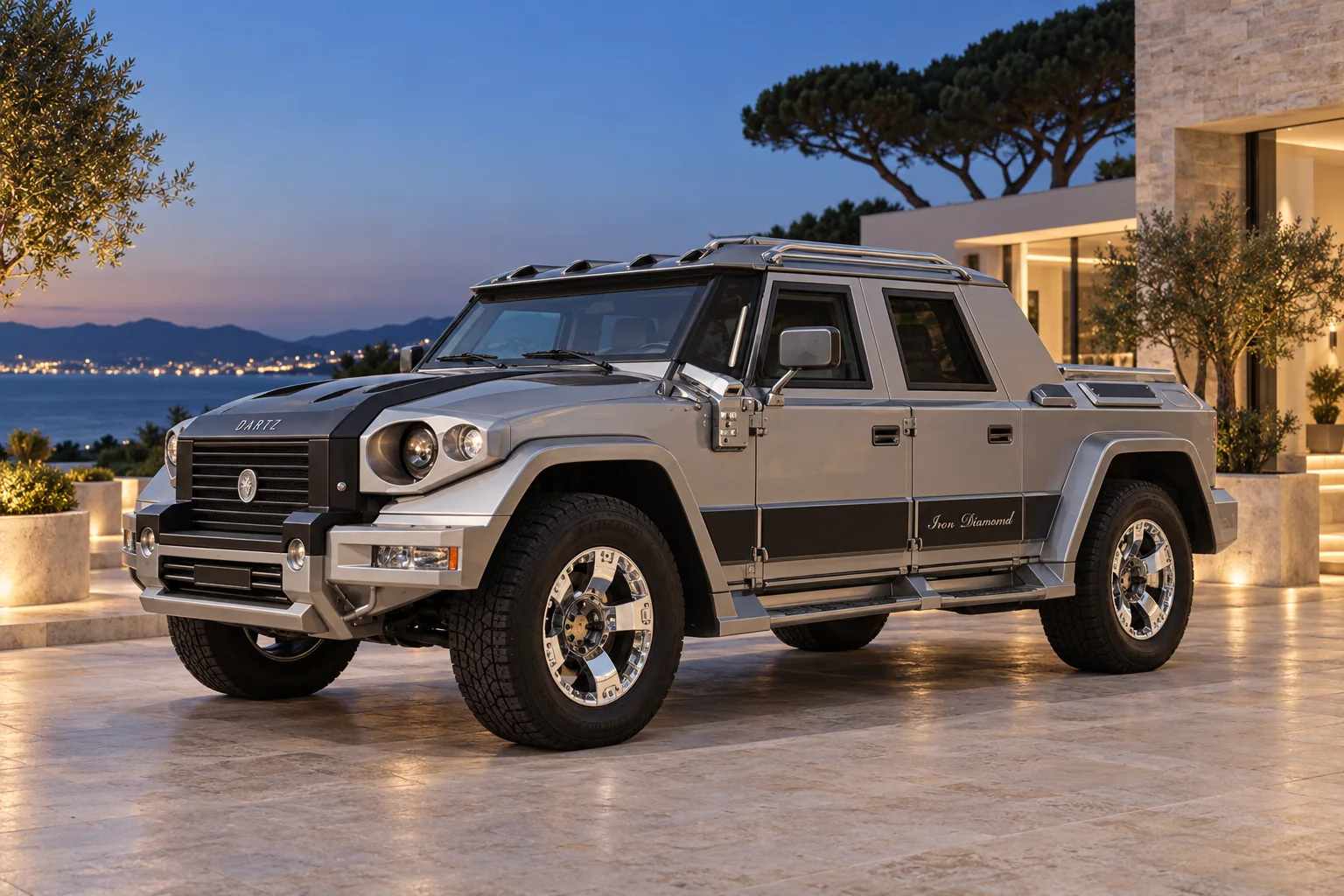 DARTZ PROMBRON' Iron.DiamondIron.Diamond 3-door Kapsula Kupe
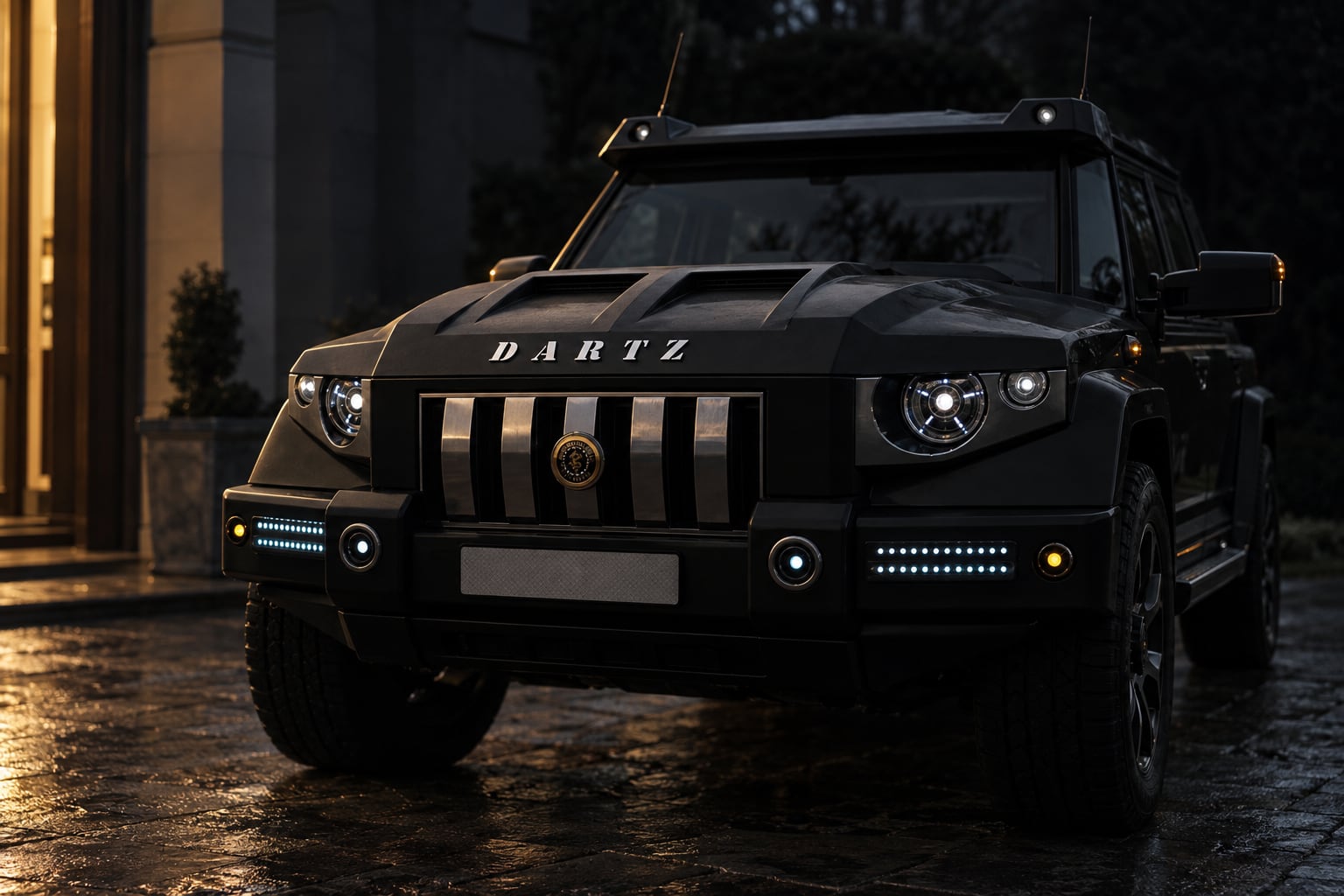 DARTZ PROMBRON' Black.DragonMade for China, 2012
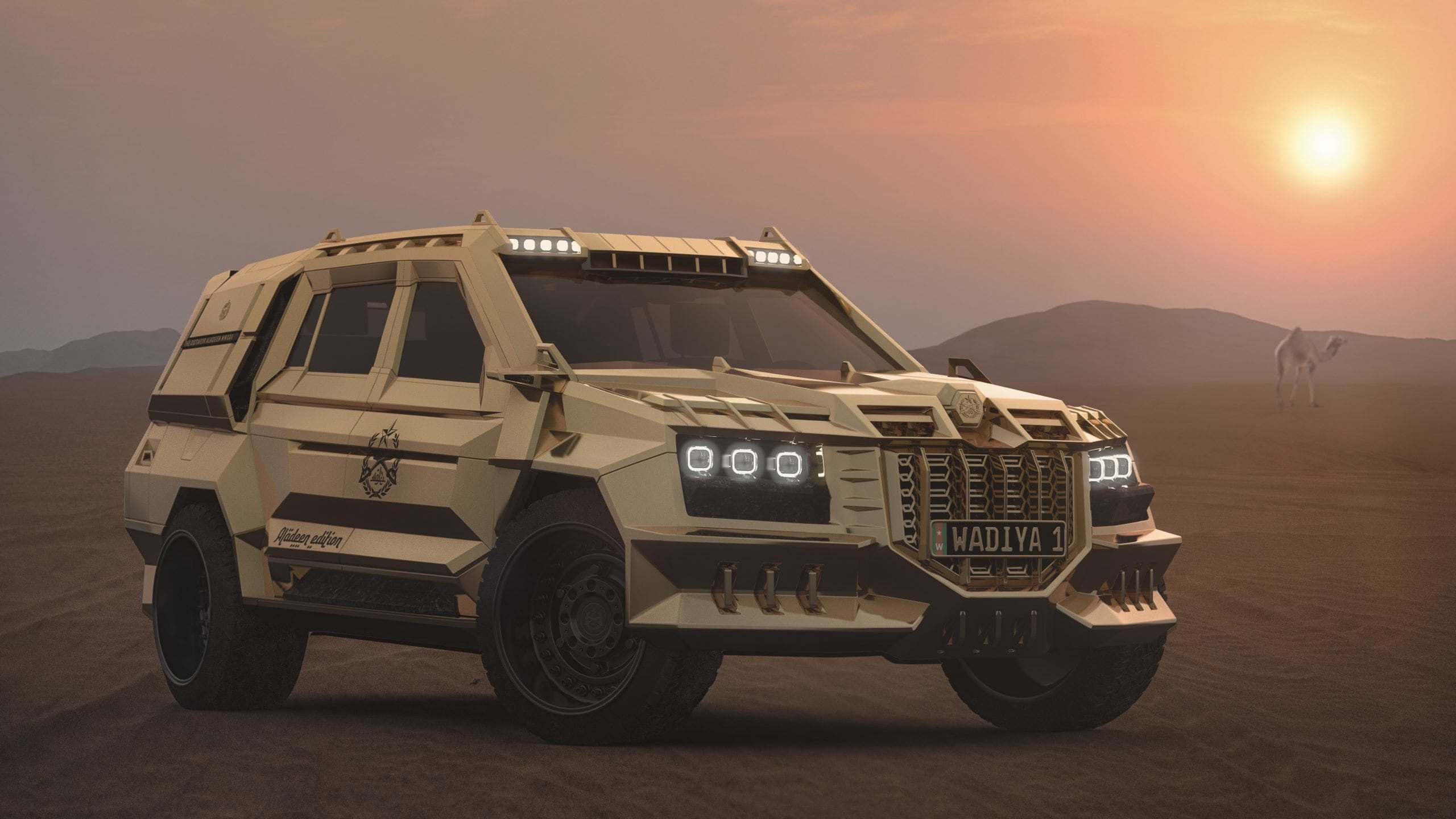 DARTZ PROMBRON' Aladeen (The DICTATOR)Built for The Dictator, 2012
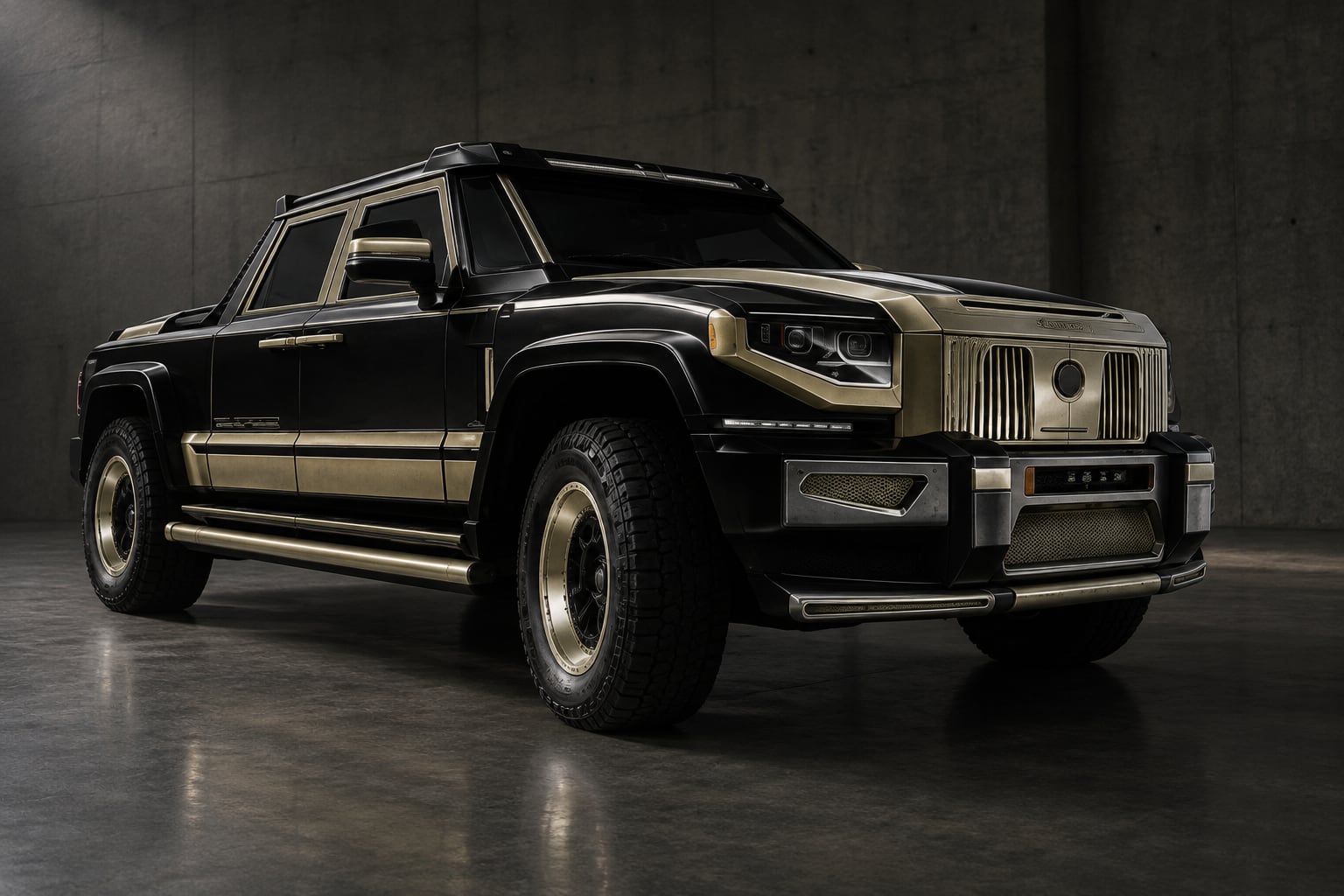 DARTZ Prombron' Black.Snake 2K13More expensive than Most Expensive
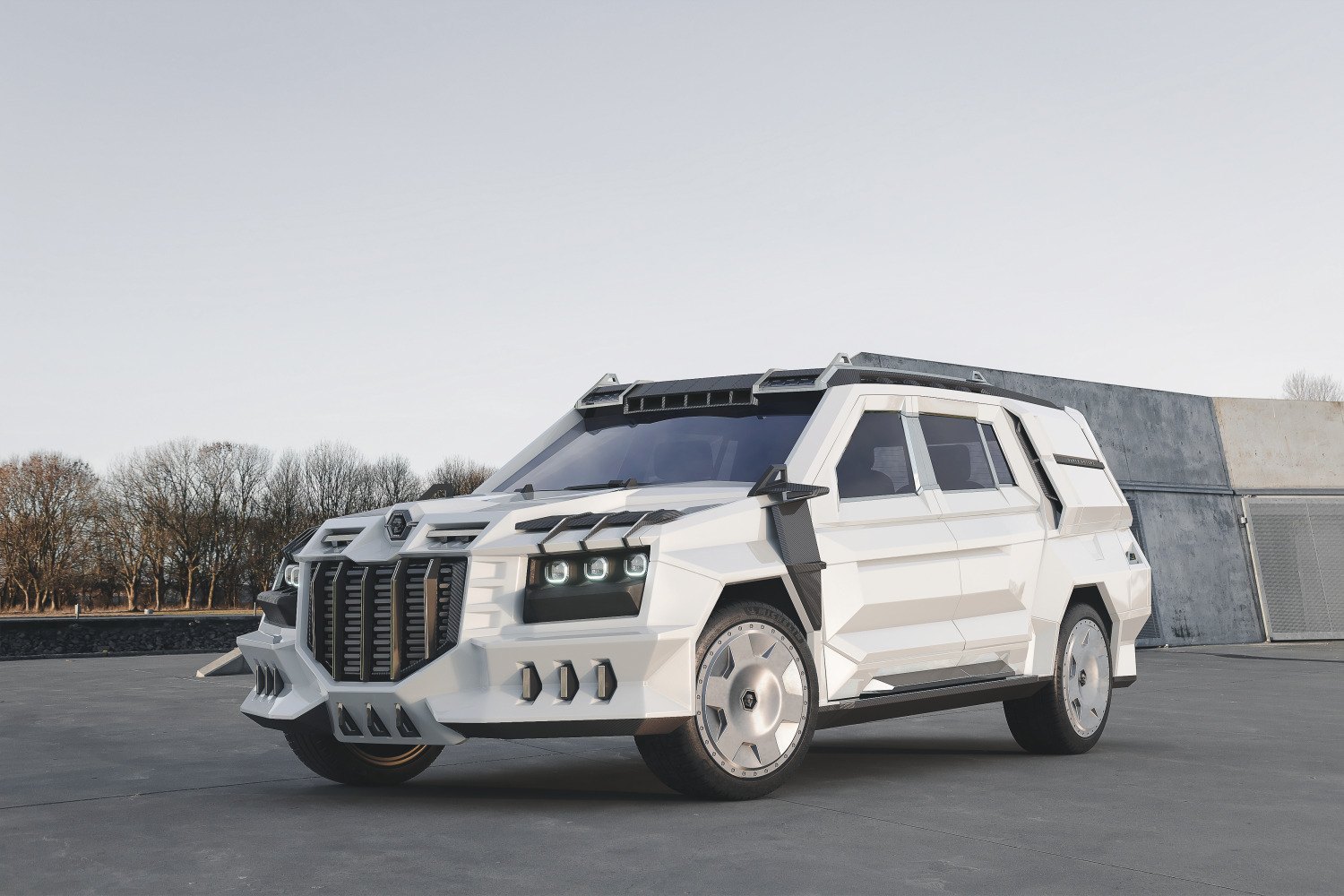 DARTZ Prombron' Black AlligatorMore Than The Most.
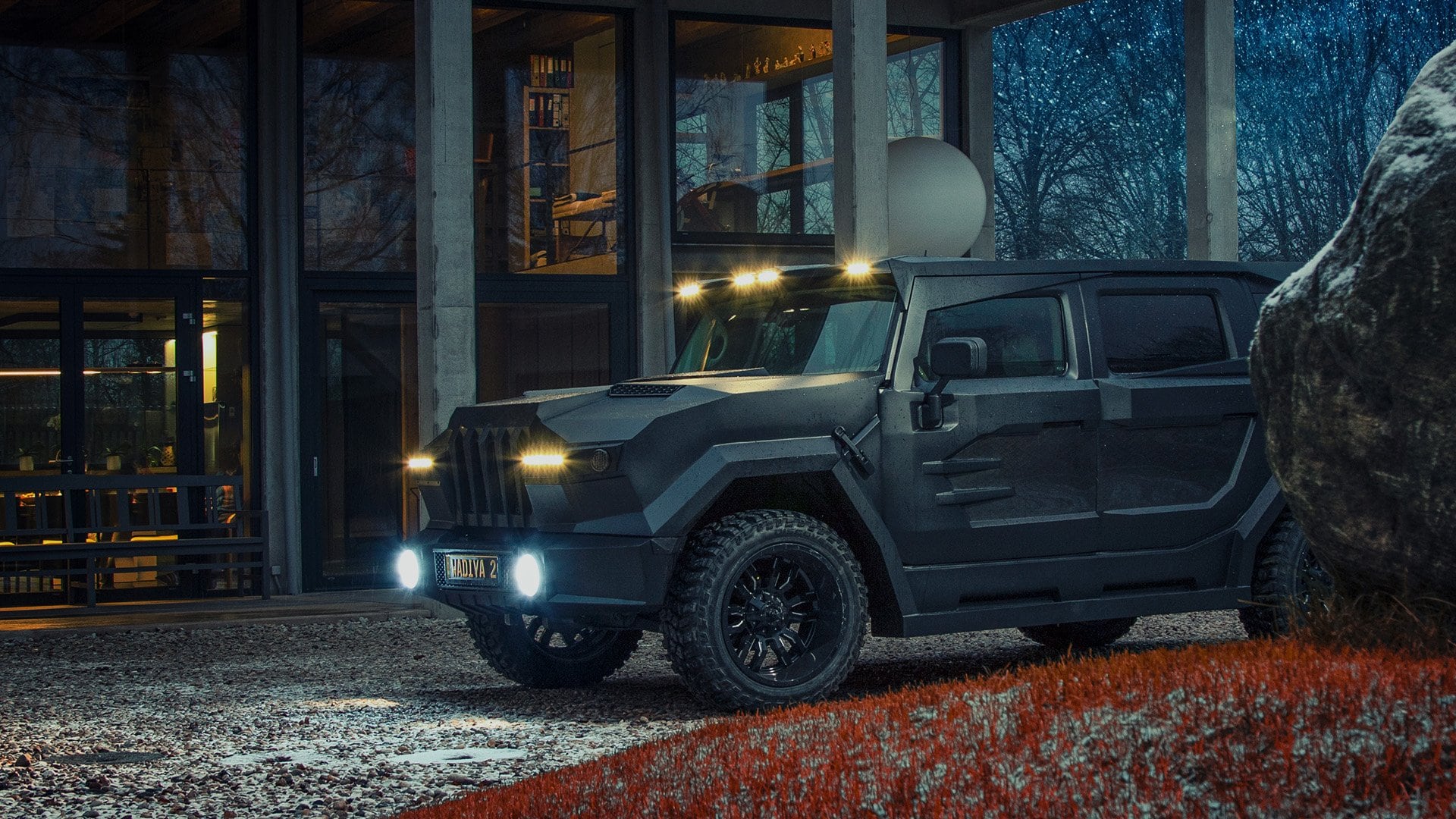 DARTZ Prombron' Black StallionBLACK STALLION
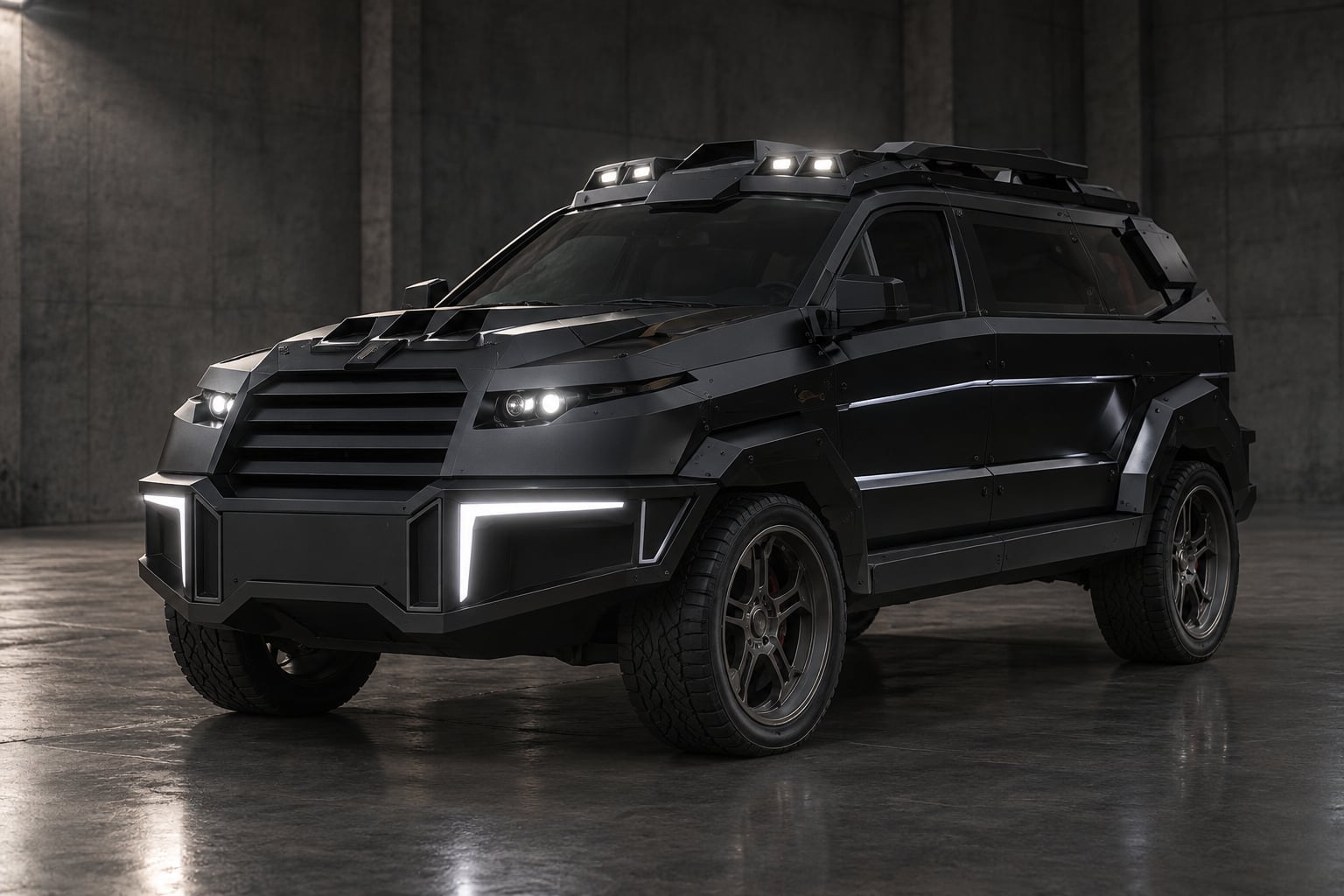 DARTZ PROMBRON' Black.SharkSpy.Grey 2K15
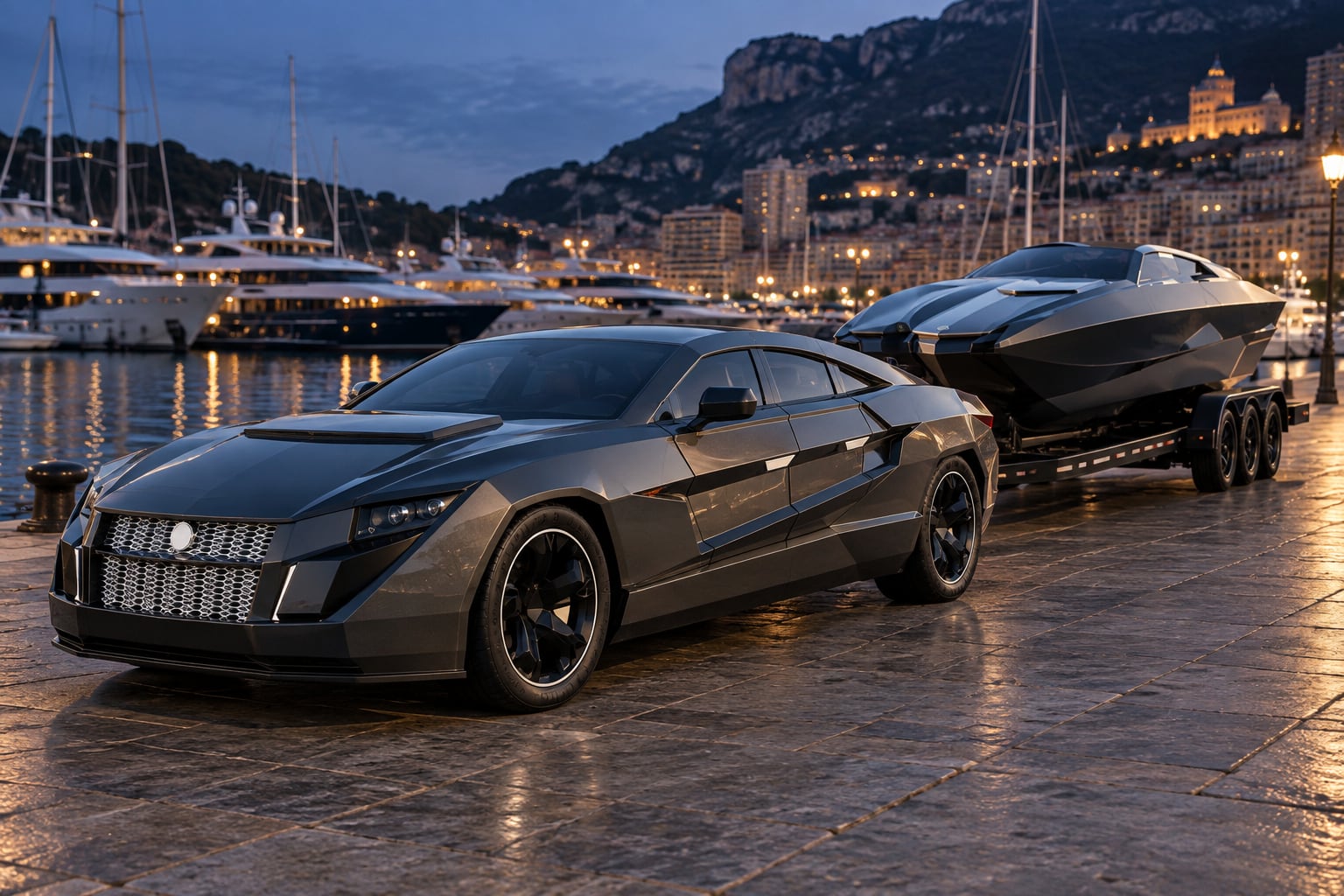 PAST MODELSNagel, Jo-Mojo, Kegresse, Shere Khan and more
Bulletproof opulence since 1869
DARTZ sells direct: no dealers, no intermediaries. Every enquiry is handled in confidence.
Explore the collection