
Screen & Culture
What Is Real Caviar? Sturgeon, CITES and How to Read the Label
Real caviar is the salt-cured roe of sturgeon, fish of the family Acipenseridae; roe of salmon or lumpfish is not caviar in the strict sense. Since 1 April 1998 all sturgeon and paddlefish species have been listed by CITES, so caviar crosses borders only with permits, and a universal label code identifies species, source, country and year. In 2022 the IUCN found all 26 surviving sturgeon species threatened. Most caviar sold today is farmed.
Caviar is one of the oldest delicacies in the world, and one of the most regulated. Every real tin carries a code, and behind it is a fish that has survived since the age of the dinosaurs.
Only sturgeon is caviar
In the strict sense, caviar is the salt-cured roe of sturgeon, fish of the family Acipenseridae. The roe of salmon, trout or lumpfish is sold as roe, or as a caviar substitute. The classic names come from the Caspian Sea: beluga from the beluga sturgeon, Huso huso; ossetra from the Russian sturgeon; and sevruga from the stellate sturgeon.
1998: CITES
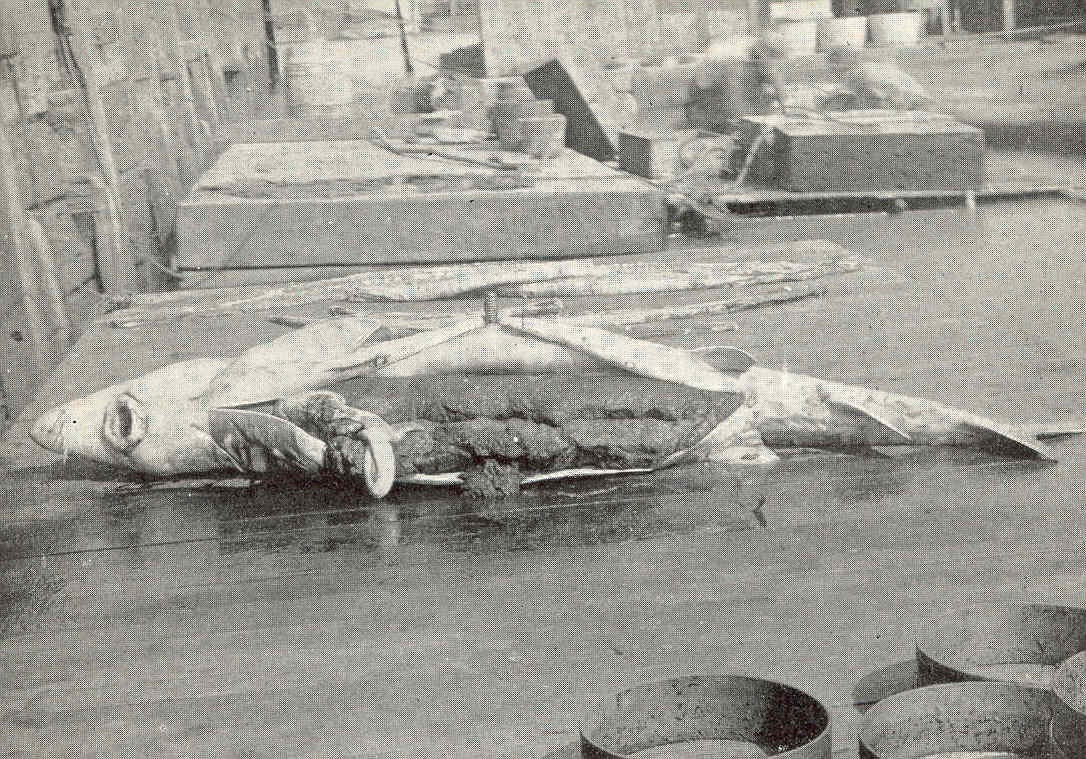
Overfishing and poaching for caviar pushed wild sturgeon towards collapse. On 1 April 1998, commercial trade in all sturgeon and paddlefish species and their products, caviar included, came under CITES Appendix II, the international convention on trade in endangered species. Since then caviar has crossed borders only with CITES permits from the exporting country, showing that it was legally acquired and that the trade does not threaten wild sturgeon. (US Fish and Wildlife Service) Legal trade in wild caviar has all but ended.
How to read the label
In 2000 the CITES parties recommended a universal labelling system for caviar, wild or farmed, for international and domestic trade. The code on a tin identifies:
- the species, by a three-letter code;
- the source: W for wild, C for captive-bred, F for a fish born in captivity with at least one wild parent;
- the country of origin, by its two-letter ISO code;
- the year of harvest;
- the registered processing plant;
- the lot number, or the CITES permit number.
If a tin has no such code, it cannot be traced. (CITES labelling requirements)
The world’s most threatened fish
In 2022 the IUCN published its first full assessment of sturgeon in more than thirteen years. All 26 surviving species of sturgeon and paddlefish are threatened with extinction, 17 of them critically endangered, which makes them the most threatened group of species on Earth. The Chinese paddlefish has been declared extinct, and the Yangtze sturgeon extinct in the wild. The main causes are poaching for caviar and meat, dams, pollution and climate change. (WWF)
Farmed caviar
That is why most caviar sold today is farmed. Aquaculture lets sturgeon be raised and harvested without touching wild stocks, and a CITES label tells the buyer which kind they are holding.
Caviar at DARTZ
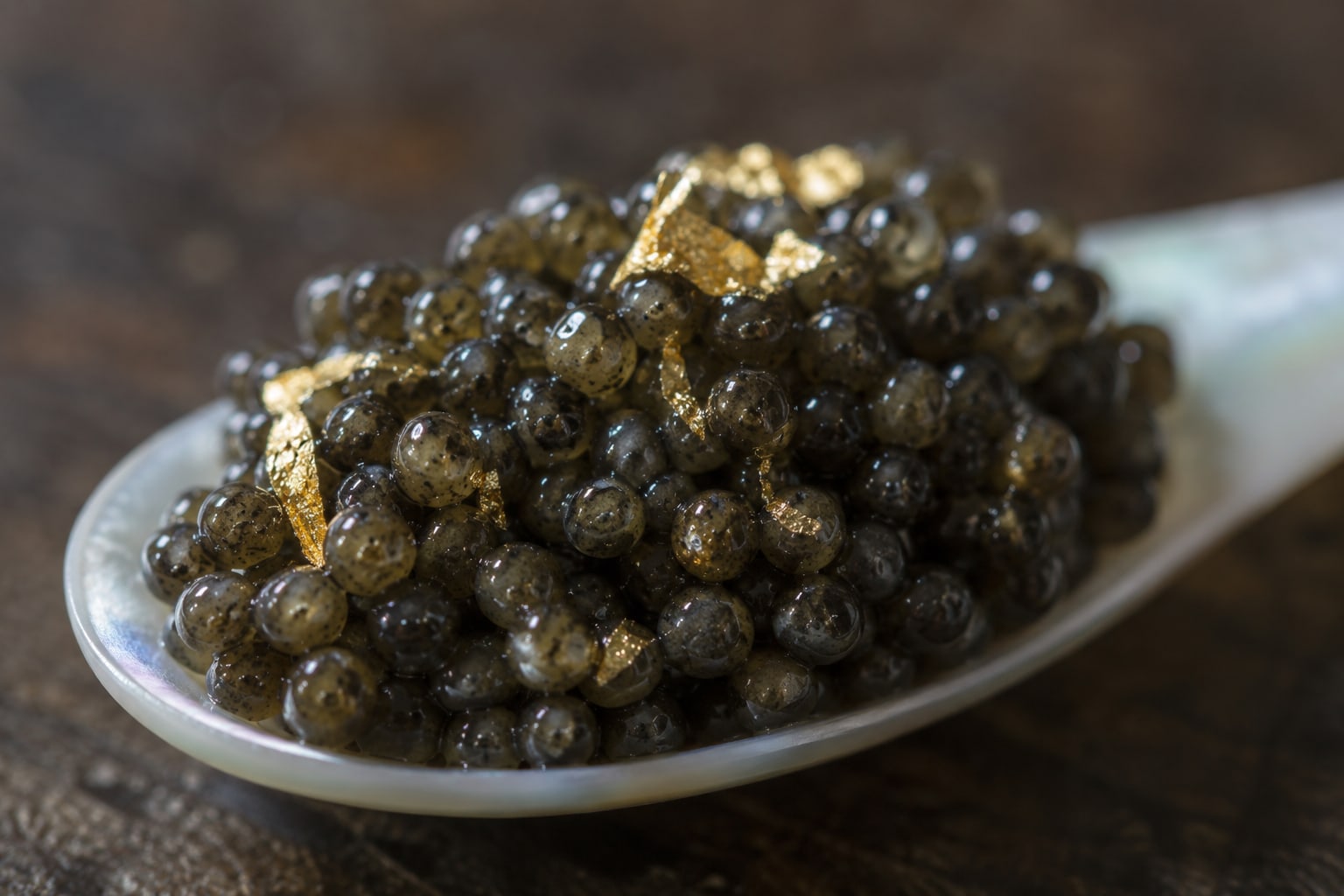
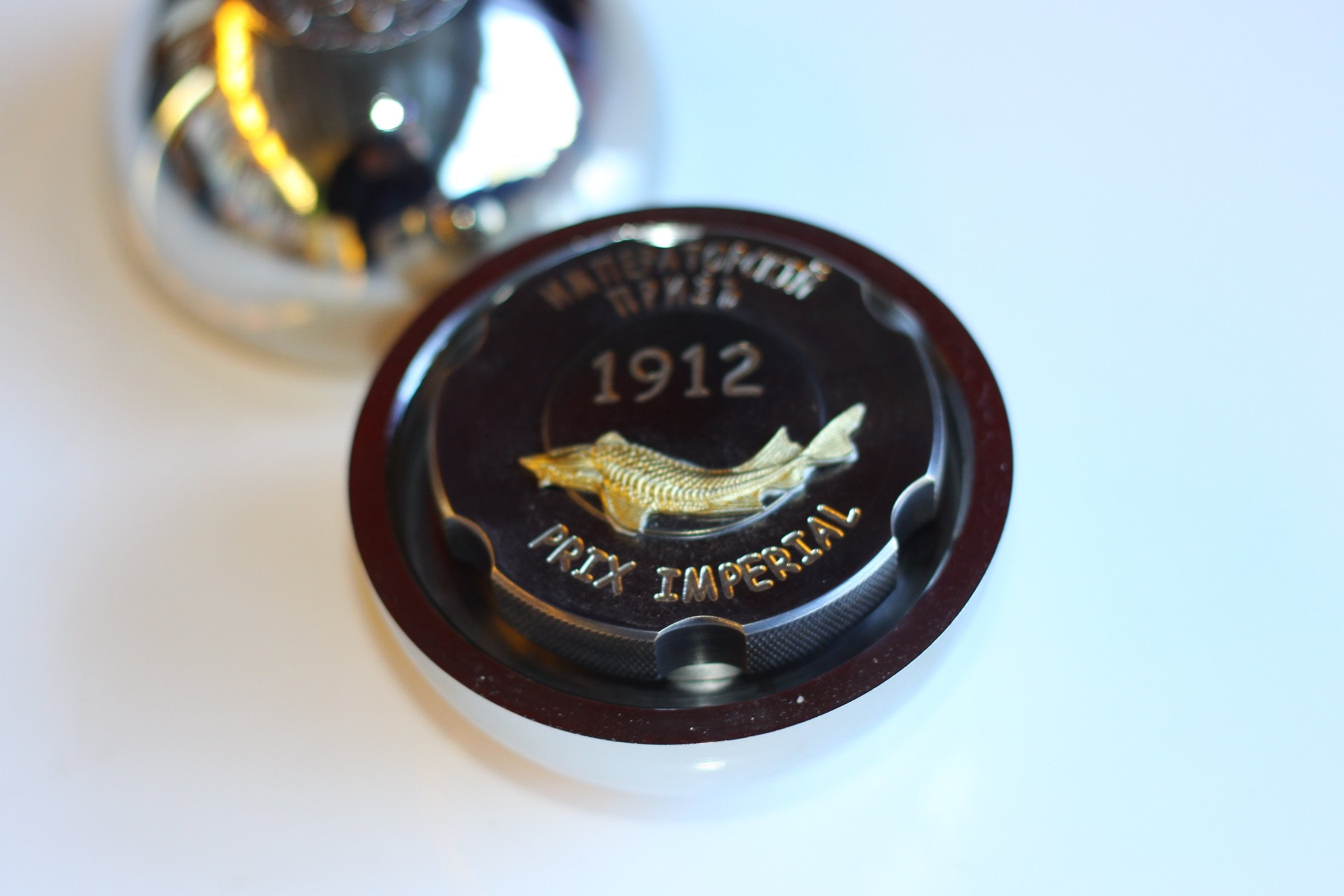
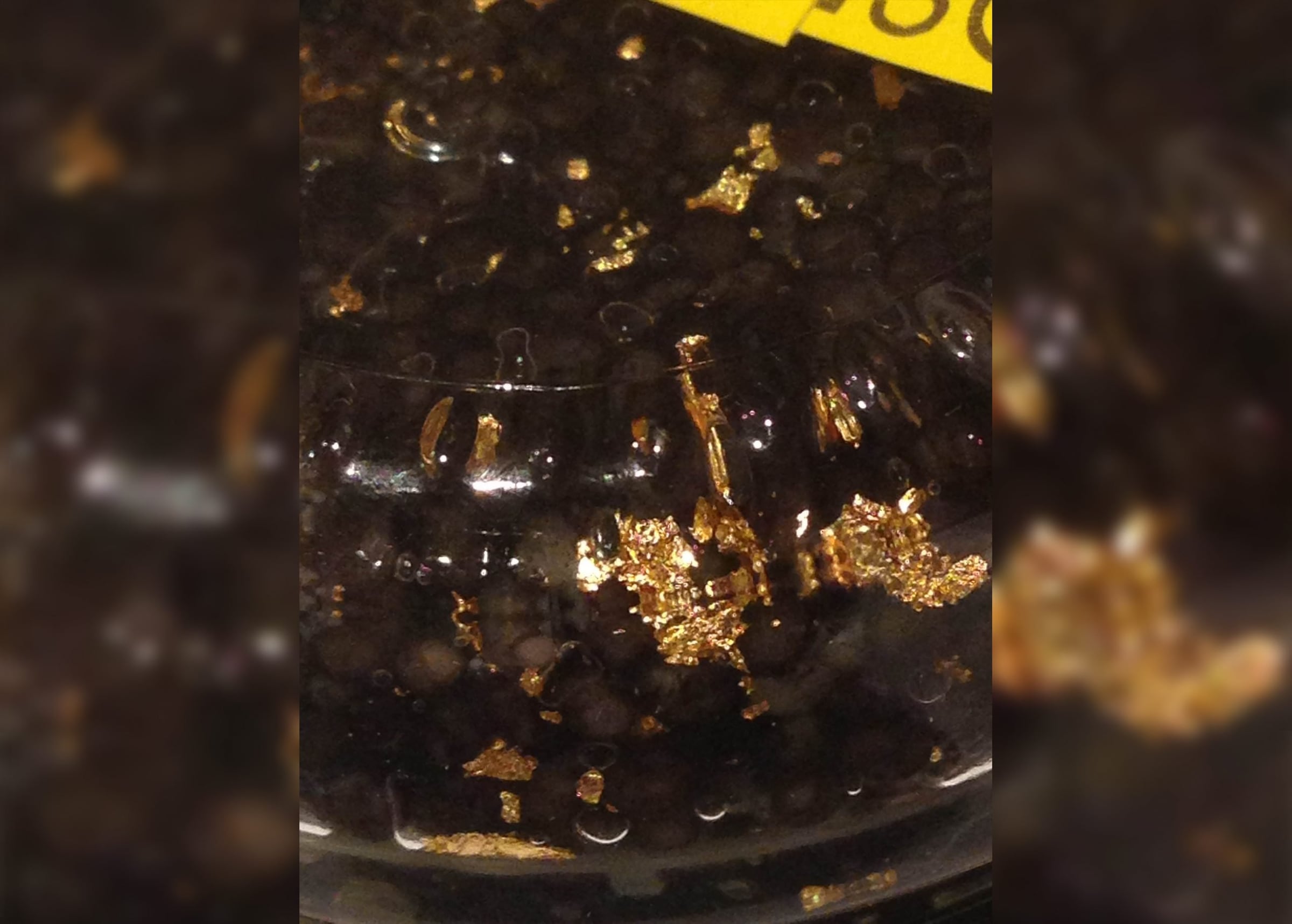
DARTZ has its own caviar, Imperial Prix 1912, sturgeon caviar with gold, named after the golden caviar bowl André Nágel received in Monaco after the 1912 Monte Carlo Rally. DARTZ supplies it to its car owners during the warranty period, in jars of gunmetal, silver and gold. It belongs to the DARTZ Gastronomé Department, beside RussoBaltique vodka. Read Imperial Prix 1912, RussoBaltique vodka and the Monte Carlo Rally.
About DARTZ
DARTZ is a Riga carrosserie that builds bespoke, opulent vehicles, armoured or non-armoured, in strictly limited numbers. It calls them BONDs: Bespoke Opulent Noble Drives.
Its heritage runs back to the Russo-Baltic Wagon Factory (RBVZ), founded in Riga in 1869, whose automobile department built its first car in 1909. Leonard F. Yankelovich revived that heritage as DARTZ in 1988. The group, DARTZ Grupa OÜ, is registered in Tallinn, Estonia.
Its Prombron’ models, from the Iron Diamond and Black Dragon to the Black Shark, Black Alligator and Black Stallion, have been covered by Top Gear, Forbes, Robb Report and Fox News, among many others.
Questions we are asked
What fish does real caviar come from?
Sturgeon. Caviar in the strict sense is the salt-cured roe of fish of the family Acipenseridae, such as the beluga, the Russian sturgeon, whose caviar is sold as ossetra, and the stellate sturgeon, sold as sevruga.
Is caviar legal to buy?
Yes, when it is traded legally. Since 1998 all sturgeon species have been listed under CITES, so international shipments need CITES permits, and most caviar now comes from farms.
What does the CITES code on a caviar tin mean?
The universal caviar label identifies the species, whether the fish was wild or farmed, the country of origin, the year of harvest, the processing plant and the lot, so every tin can be traced.
Are sturgeon endangered?
Yes. The IUCN's 2022 assessment found all 26 remaining sturgeon species threatened with extinction, 17 of them critically endangered, which makes them the world's most threatened group of species.
EXPLORE THE COLLECTION
DARTZ MODELS
 DARTZ PROMBRON' Iron.DiamondIron.Diamond 3-door Kapsula Kupe
 DARTZ PROMBRON' Black.DragonMade for China, 2012
 DARTZ PROMBRON' Aladeen (The DICTATOR)Built for The Dictator, 2012
 DARTZ Prombron' Black.Snake 2K13More expensive than Most Expensive
 DARTZ Prombron' Black AlligatorMore Than The Most.
 DARTZ Prombron' Black StallionBLACK STALLION
 DARTZ PROMBRON' Black.SharkSpy.Grey 2K15
 PAST MODELSNagel, Jo-Mojo, Kegresse, Shere Khan and more
Be first in line
DARTZ sells direct: no dealers, no intermediaries. Every enquiry is handled in confidence.
Register your interest