
Guides
Armoured Cars in Europe: Standards, Testing and Type Approval
In the EU an armoured car is a special purpose vehicle. Regulation (EU) 2018/858 gives it the code SB and defines it as a vehicle intended to protect conveyed persons or goods with anti-bullet armour plating. Its protection is rated under European standards: EN 1063 for glass, EN 1522 for opaque armour and the VPAM BRV guideline for the whole vehicle, which German proof houses test. Carmakers offer factory-armoured saloons, and specialists armour cars after production.
Europe has written armoured cars into its law. It gives them a category, measures them with its own standards and tests them in its own laboratories.
A category of its own
The EU’s type-approval regulation, Regulation (EU) 2018/858, lists the special purpose vehicles it recognises: motor caravans, ambulances, hearses, wheelchair-accessible vehicles, mobile cranes and others. One of them is the armoured vehicle, code SB: “a vehicle intended for the protection of conveyed persons or goods with anti-bullet armour plating.” (Annex I, Part A)
Because armour changes how a car is built, the regulation sets out which of the usual technical requirements apply to it. The approach has travelled: India’s draft standard for armoured vehicles of 2022 names Regulation (EU) 2018/858 as its reference, and allows an exemption only where the maker shows the vehicle cannot meet a requirement because of its special purpose. Read bulletproof cars in India.
The European standards
Three documents do most of the work.
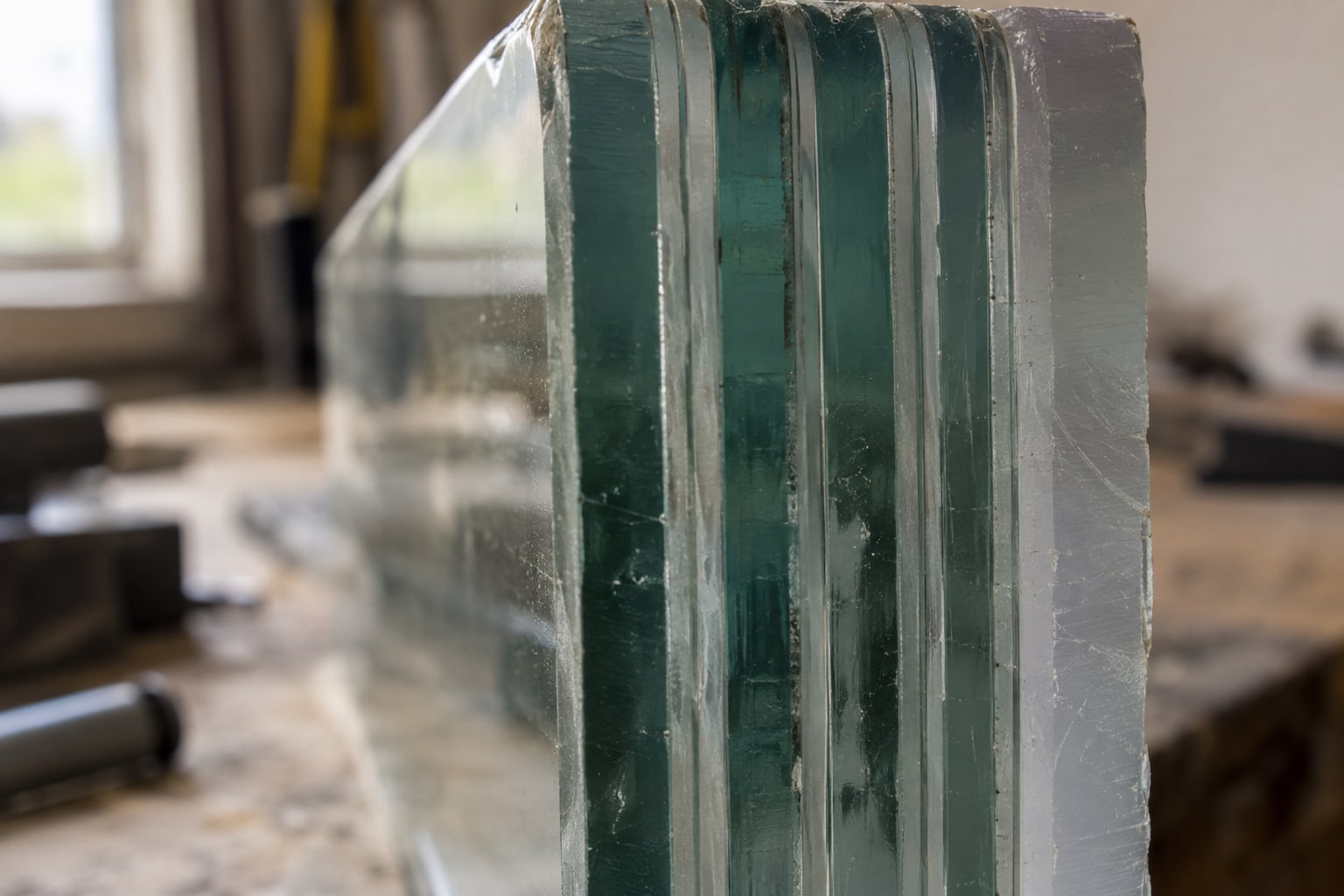
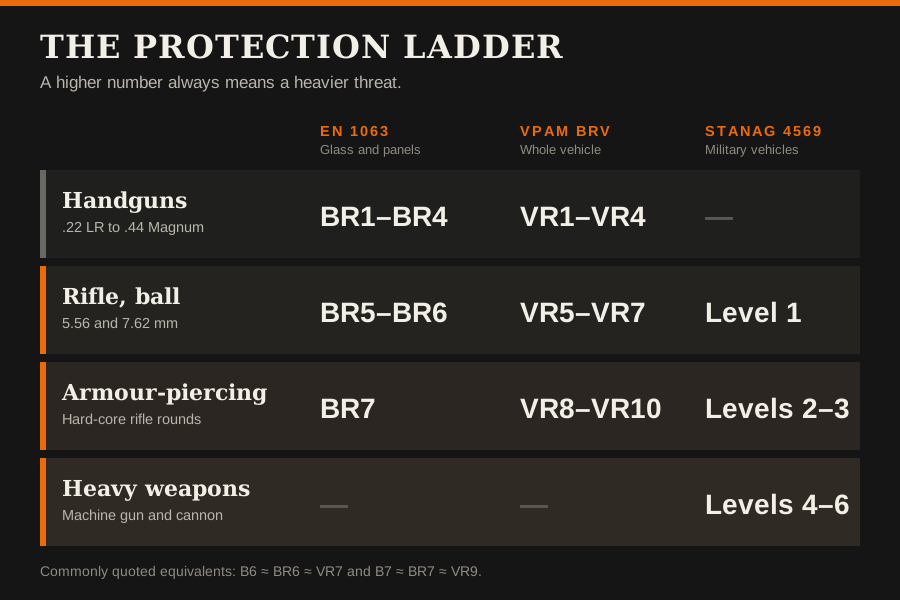
- EN 1063 rates bullet-resistant glass, in classes BR1 to BR7.
- EN 1522 rates opaque armour: steel, aramid and polyethylene panels.
- The VPAM BRV guideline, from the German association of independent test laboratories, rates the finished vehicle, in VR classes. The laboratory fires at the weak points, doors, pillars and joints, and a single penetration fails the car.
The dealer’s “B6” and the laboratory’s “VR7” come from these documents. Read armoured car protection levels explained.
Germany: the Sonderschutzfahrzeug
German has a word for it: Sonderschutzfahrzeug, a vehicle with special protection. It covers passenger cars and commercial vehicles with integrated armour, used by government security services, private individuals, cash-in-transit companies and the police. State proof houses, the Beschussämter, test and certify them; German Wikipedia names the offices in Mellrichstadt, Munich and Ulm. (Sonderschutzfahrzeug on German Wikipedia)
German also separates two ways of building one. Werkspanzerung is factory armour, built in as the car is made. Nachrüstung is armour added afterwards, which means taking the car apart. Either way, armour adds weight: a single armoured door can weigh more than 100 kg.
Armour and export control
Europe controls the export of military equipment through the EU Common Military List. Its vehicle category is written for vehicles designed or modified for military use, and a note states that it does not apply to civil vehicles designed or modified to carry money or valuables. (Common Military List of the EU)
A European house
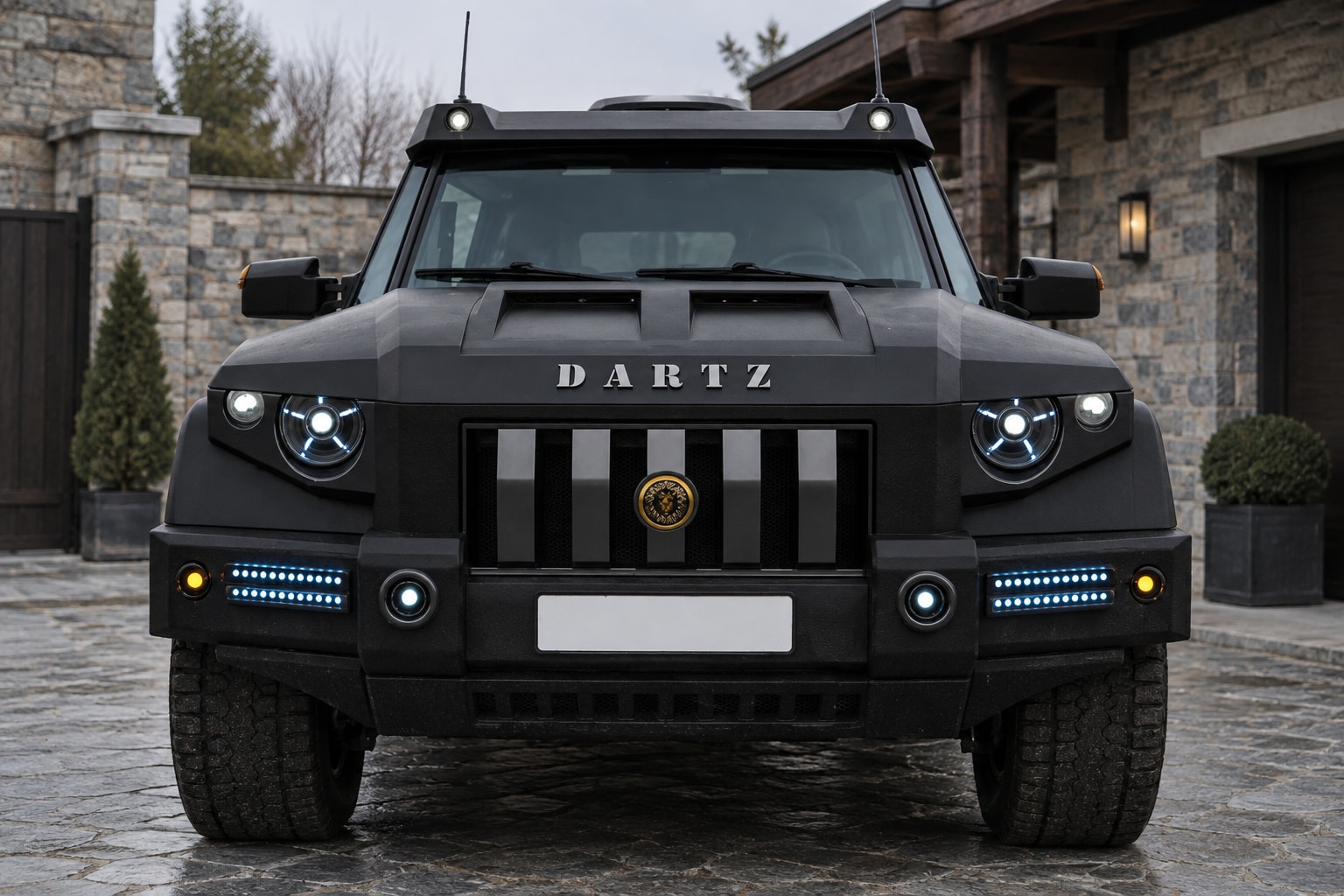
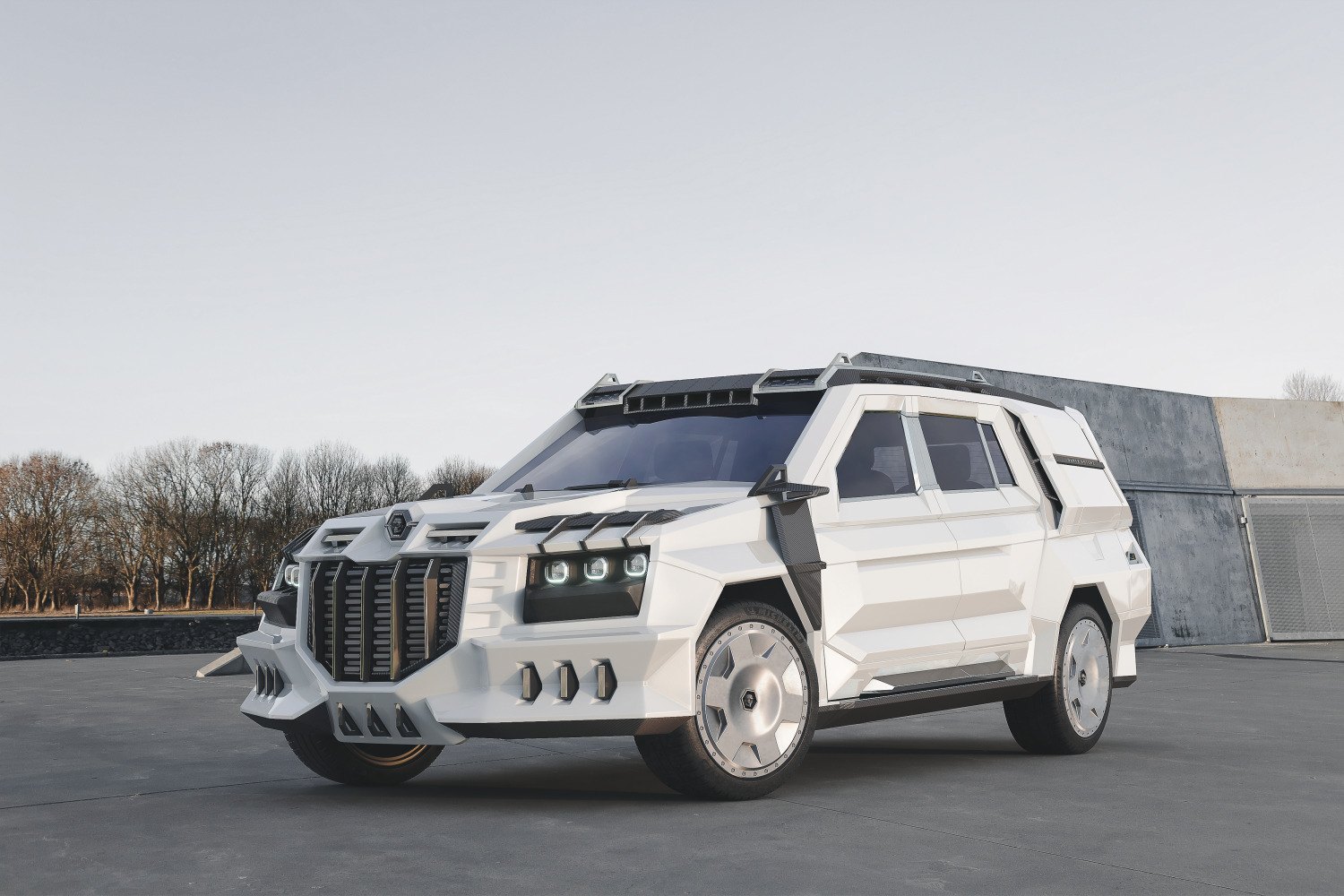
DARTZ was born in Riga and builds to commission for clients around the world. Every Prombron’ can be armoured or non-armoured, with the level agreed in a private consultation. DARTZ calls its armouring GBOL, and says a GBOL car weighs about the same as its donor. The Black Dragon CLV has been shooting-tested on camera. Read how an armoured car is built and what GBOL is.
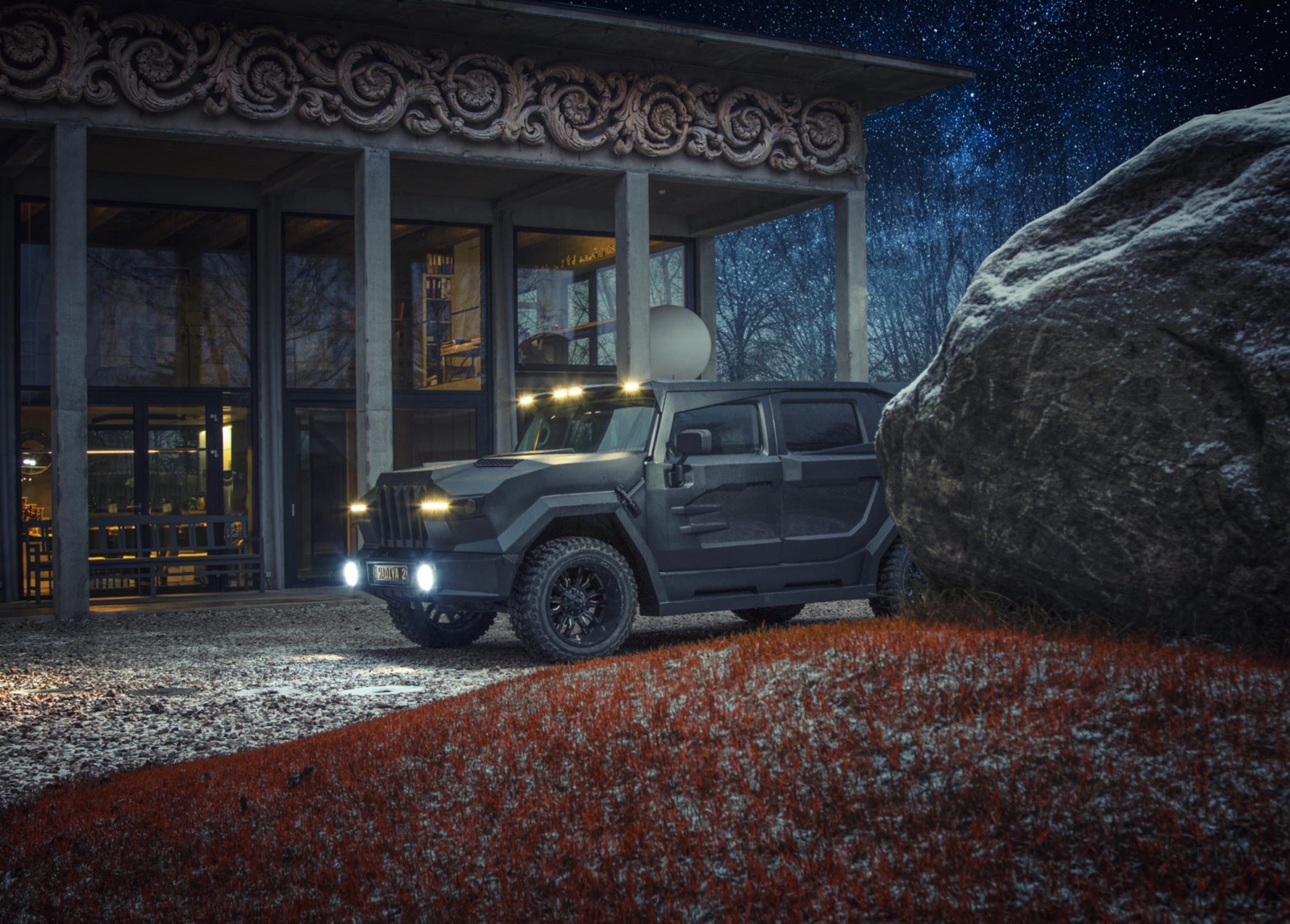
About DARTZ
DARTZ is a Riga carrosserie that builds bespoke, opulent vehicles, armoured or non-armoured, in strictly limited numbers. It calls them BONDs: Bespoke Opulent Noble Drives.
Its heritage runs back to the Russo-Baltic Wagon Factory (RBVZ), founded in Riga in 1869, whose automobile department built its first car in 1909. Leonard F. Yankelovich revived that heritage as DARTZ in 1988. The group, DARTZ Grupa OÜ, is registered in Tallinn, Estonia.
Its Prombron’ models, from the Iron Diamond and Black Dragon to the Black Shark, Black Alligator and Black Stallion, have been covered by Top Gear, Forbes, Robb Report and Fox News, among many others.
Questions we are asked
Are armoured cars legal in Europe?
Yes. EU type-approval law has its own category for them: the armoured vehicle, code SB, one of the special purpose vehicles in Regulation (EU) 2018/858.
What standards are used for armoured cars in Europe?
EN 1063 rates bullet-resistant glass, EN 1522 rates opaque armour, and the VPAM BRV guideline, published by German test laboratories, rates the whole vehicle in VR classes.
Who tests armoured cars in Germany?
State proof houses, the Beschussämter, test and certify them. German Wikipedia names the offices in Mellrichstadt, Munich and Ulm.
What is a Sonderschutzfahrzeug?
The German term for a vehicle with special protection: a car or commercial vehicle with integrated armour that protects its occupants or cargo.
EXPLORE THE COLLECTION
DARTZ MODELS
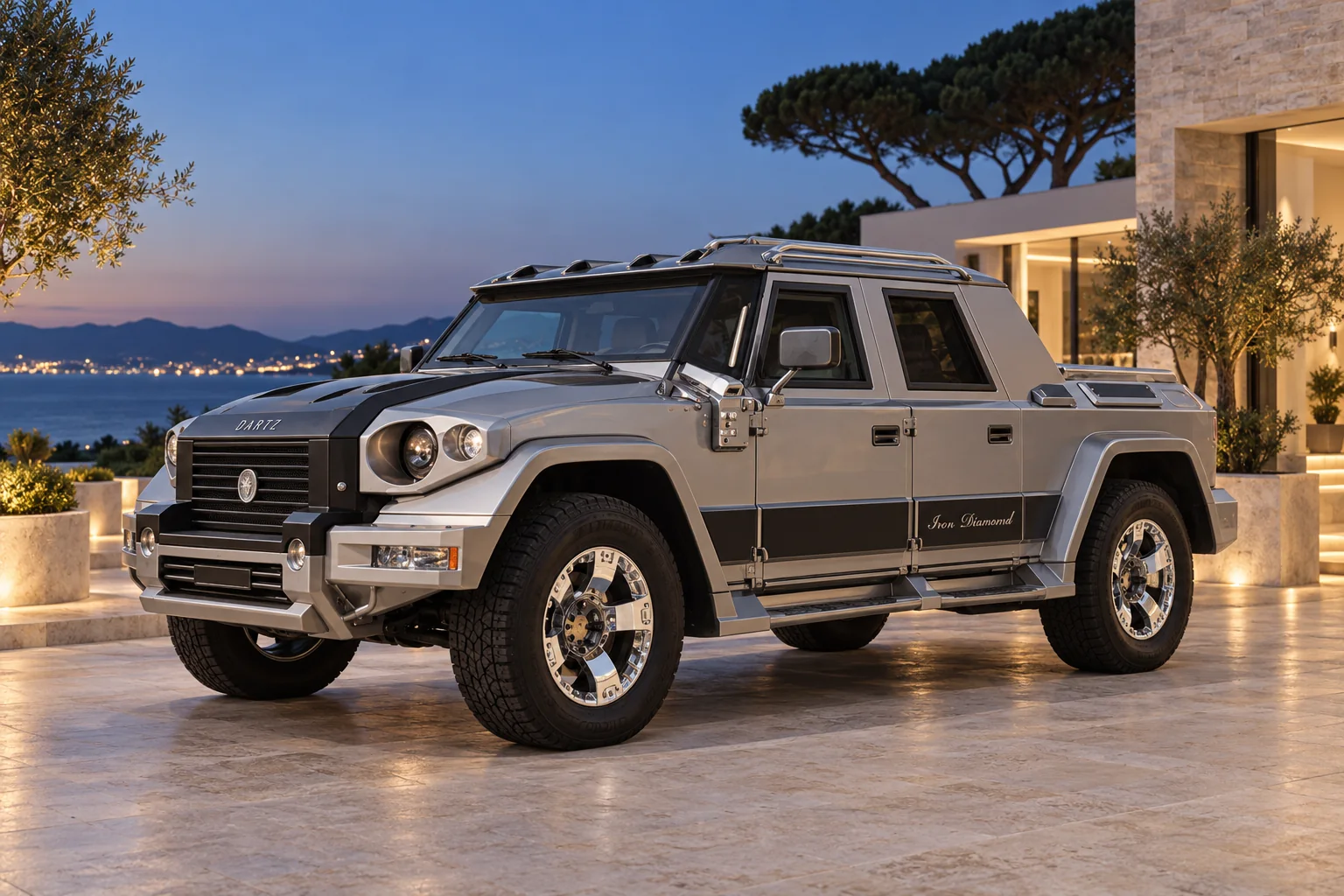 DARTZ PROMBRON' Iron.DiamondIron.Diamond 3-door Kapsula Kupe
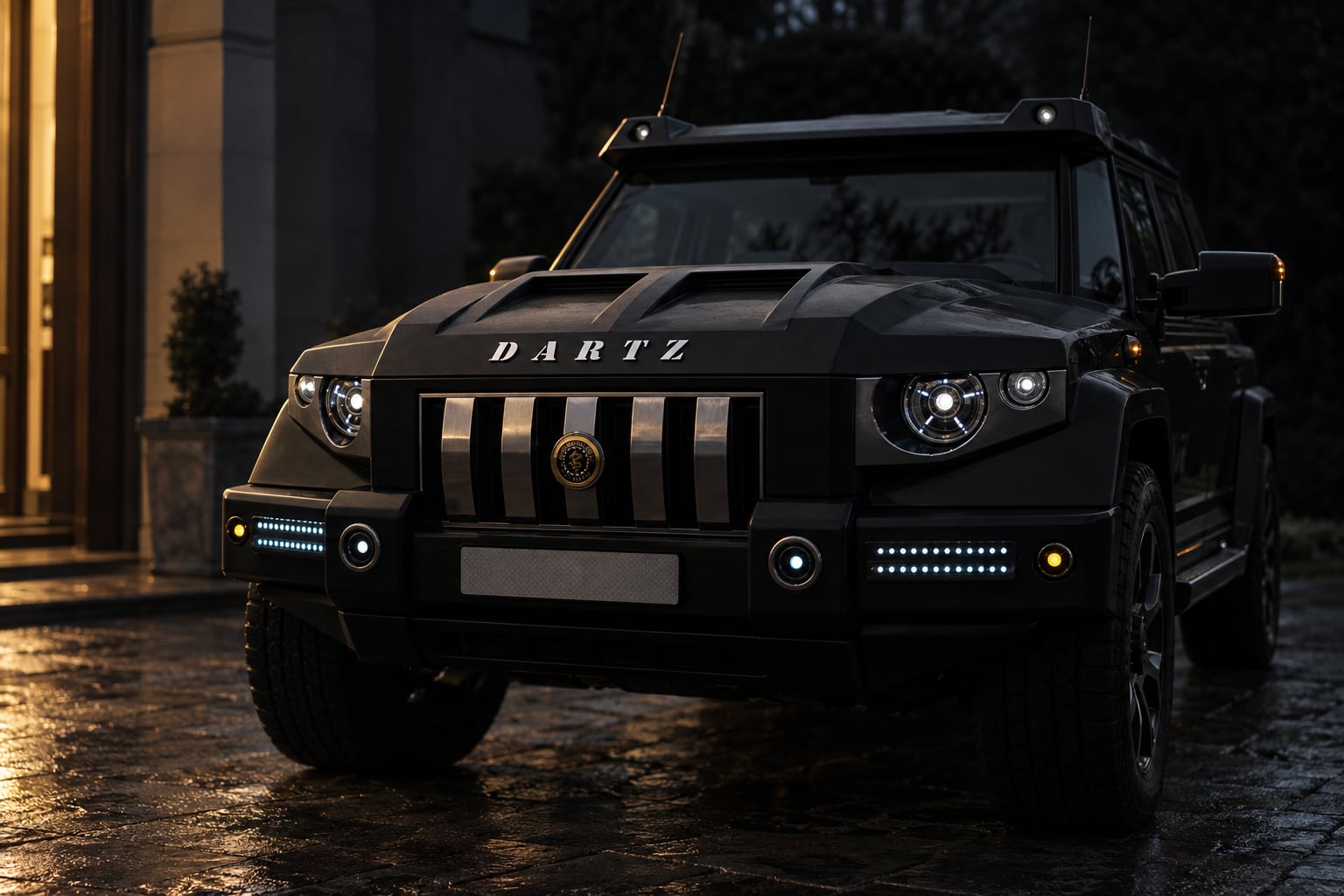 DARTZ PROMBRON' Black.DragonMade for China, 2012
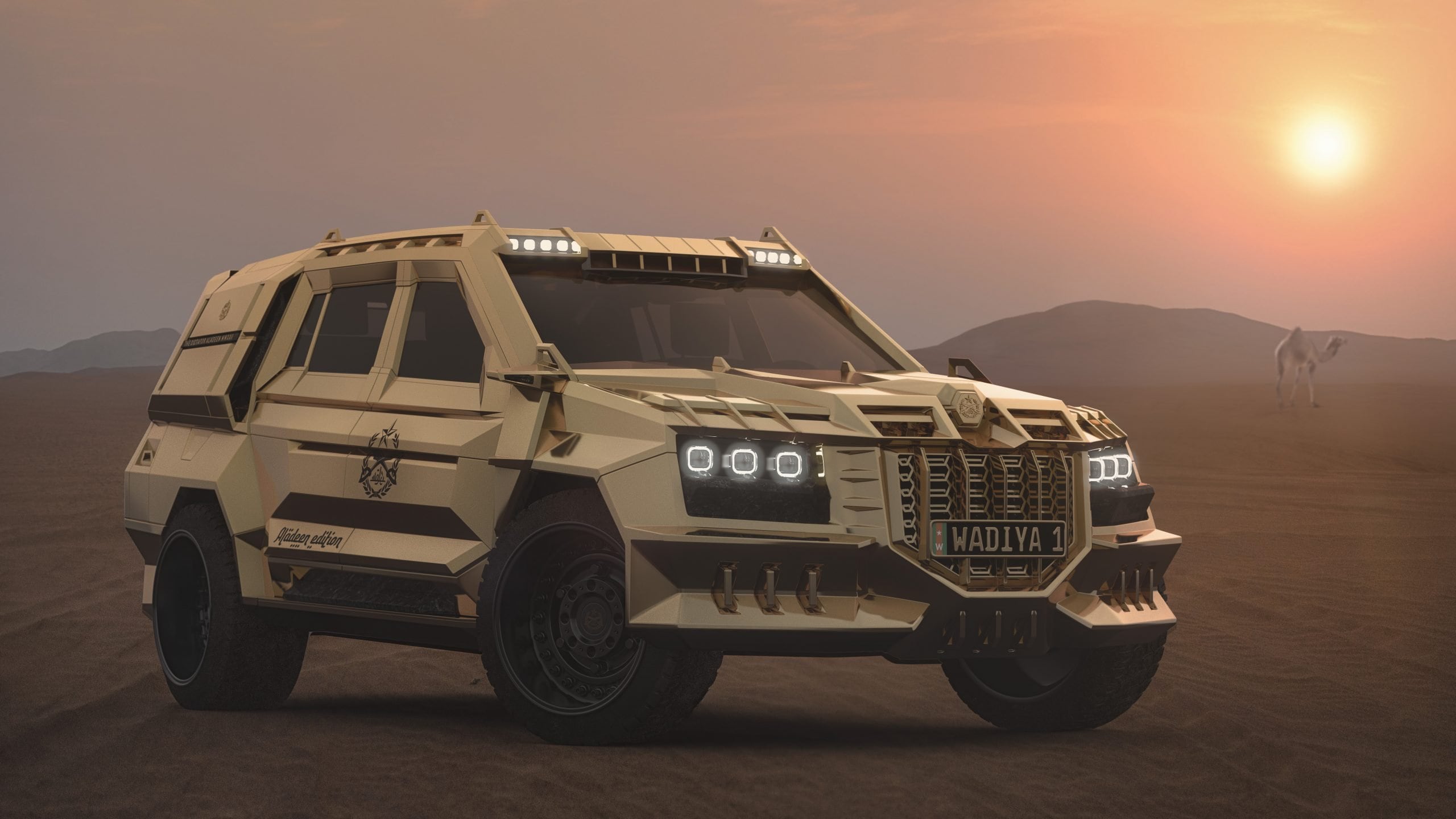 DARTZ PROMBRON' Aladeen (The DICTATOR)Built for The Dictator, 2012
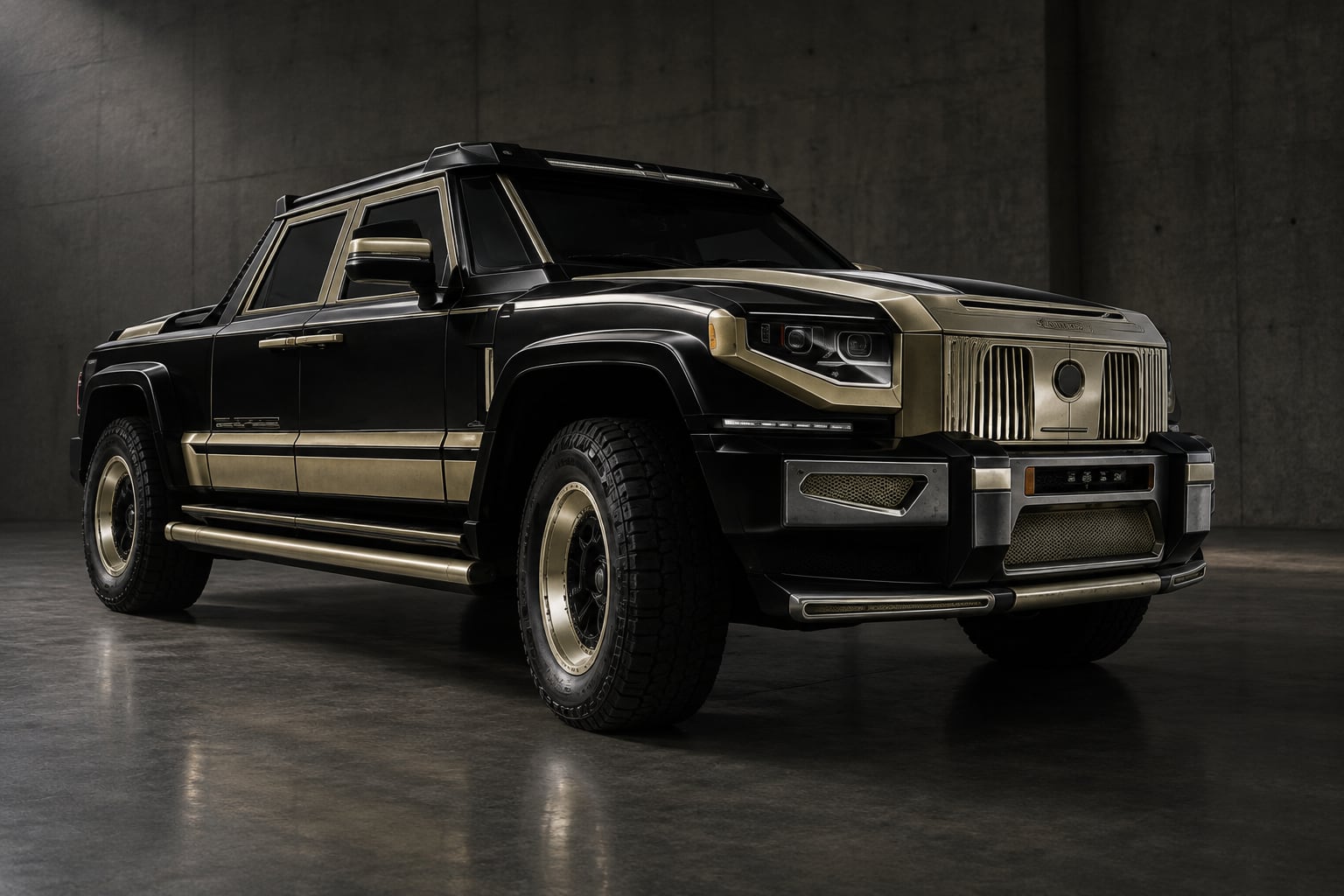 DARTZ Prombron' Black.Snake 2K13More expensive than Most ExpensiveDARTZ Prombron' Black AlligatorMore Than The Most.
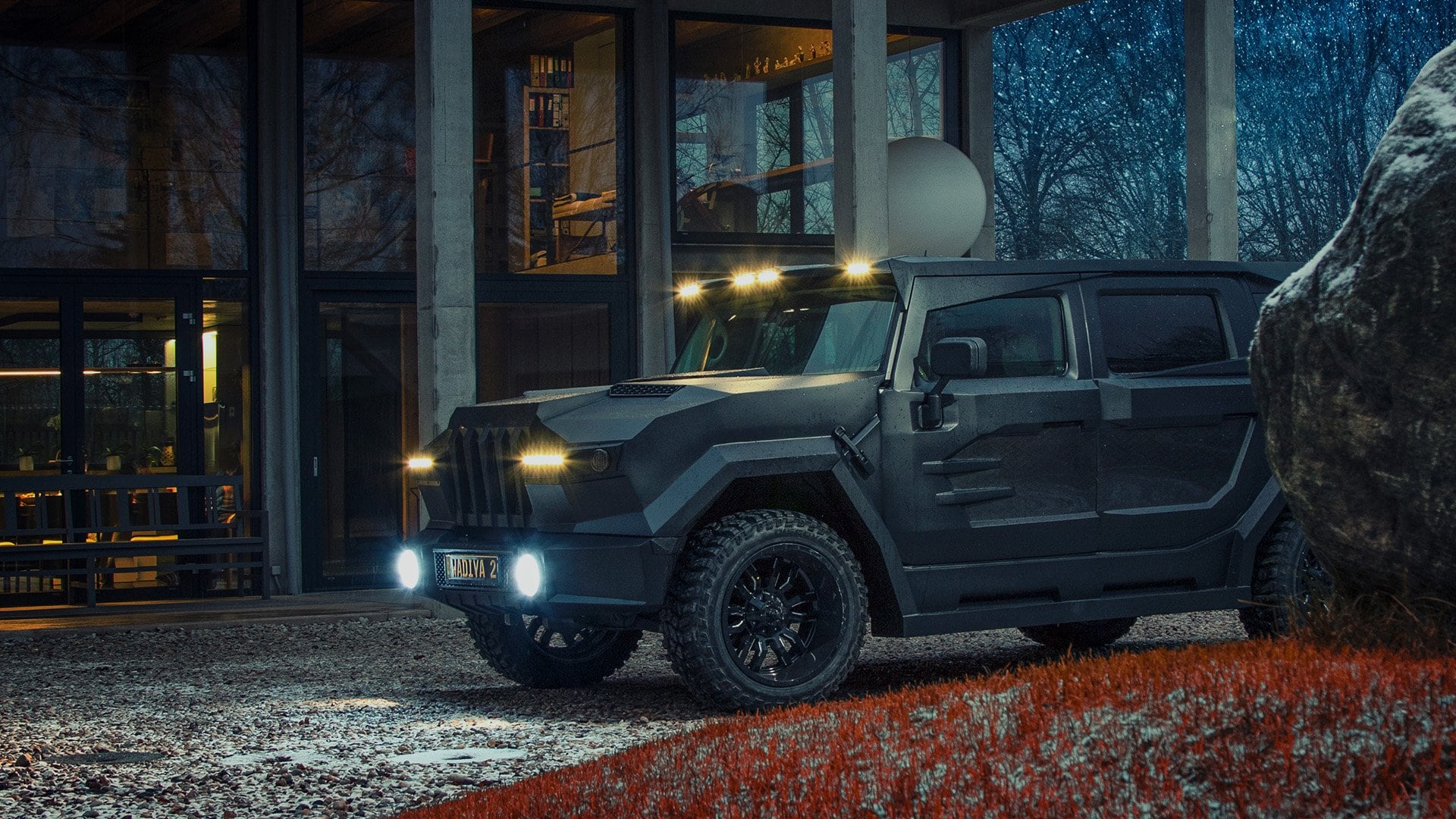 DARTZ Prombron' Black StallionBLACK STALLION
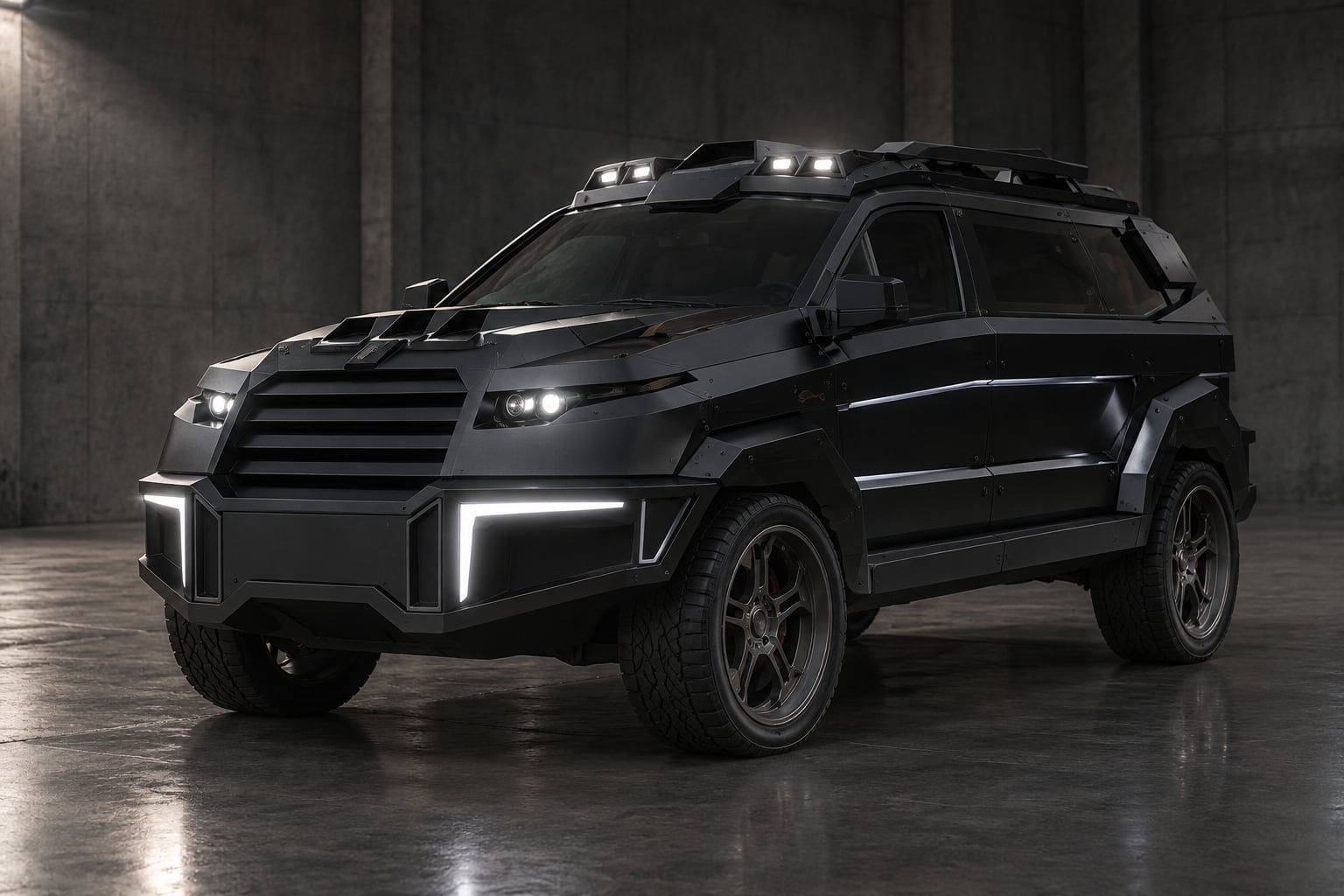 DARTZ PROMBRON' Black.SharkSpy.Grey 2K15
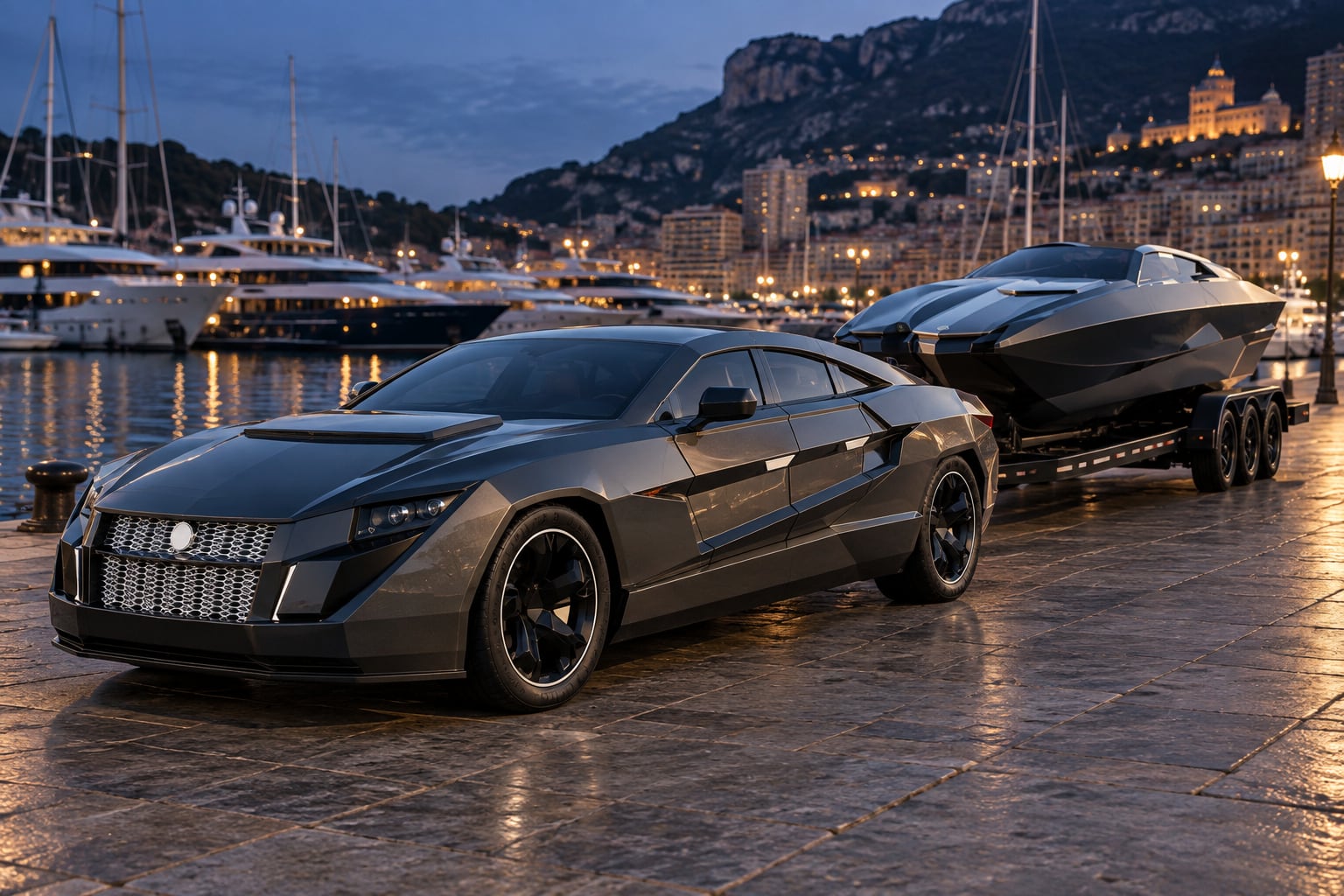 PAST MODELSNagel, Jo-Mojo, Kegresse, Shere Khan and more
Your BOND begins with a conversation
DARTZ sells direct: no dealers, no intermediaries. Every enquiry is handled in confidence.
Begin your commission